 Oil Press Equipment and Oil Refining Machinery for Sale – Start Your Oil Press Business
SEARCH WHAT YOU WANT
Search allProductNews
SEARCH
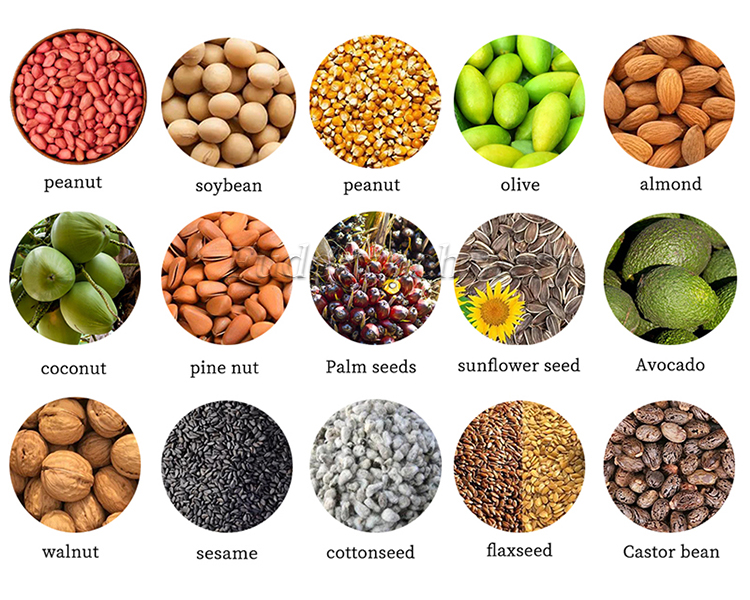
Definition: An oil press is a mechanical device that extracts oil from oily plant seeds (such as peanuts, rapeseed, sesame, sunflower, corn germ, coconut, palm kernel, soybean, etc.) through physical pressure or chemical methods. It replaces the inefficient traditional manual oil pressing mode and becomes the core tool for modern edible oil production.
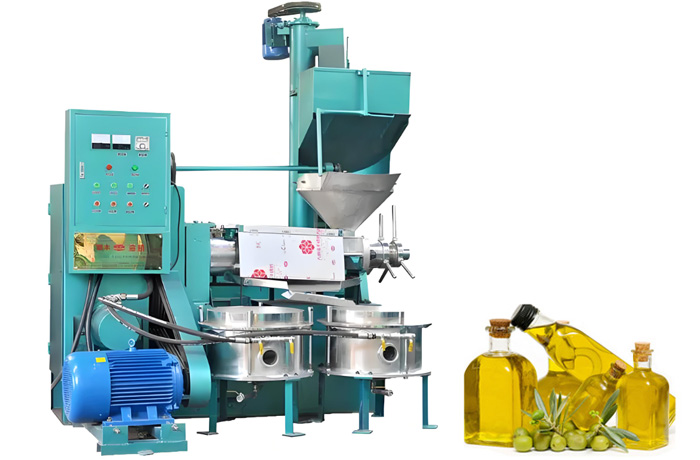
Core role:
Data comparison revealed
1 .Cold press vs Hot press:Core differences, indicators, cold-pressed oil (≤ 60 ℃), hot-pressed oil (120-180 ℃)
Nutritional components, vitamin E retention rate ≥ 90%, high temperature destruction of more than 30%, flavor, retaining natural fruity aroma, producing a burnt aroma (Maillard reaction)
Oil yield, low (requires high-quality raw materials), increased by 15% -20%. Applicable oils include sesame, flaxseed, olive, peanut, rapeseed, and soybean
2. Is the high price of cold-pressed oil reasonable?
Cost factor: The price of cold press is 30% -50% higher than that of hot press, and low moisture content raw materials need to be selected
Health Premium: Cold-pressed oil contains 2-3 times more polyphenols than hot-pressed oil (with stronger antioxidant capacity)
Customize production volume according to customer requirements.
| Model | Bore diameter (mm) | Screw speed (r/min) | Processing Capacity (kg/h) | External Dimensions (mm) |
| FD60 | 55 | 52 | 30-60 | 1200*780*1100 |
| FD70 | 65 | 48 | 50-80 | 1400*860*1260 |
| FD80 | 80 | 47 | 65-130 | 1700*1200*1500 |
| FD100 | 101 | 38 | 140-280 | 1800*1300*1680 |
| Model | Power (kW) | Heating Ring Control Temperature (°C) | Each time materials are delivered | Kilogram-force (kN) | External Dimensions (mm) |
| FD-180 | 0.75 | 70-100 | 2-4kg | 1600 | 800*650*1100 |
| FD-230 | 1.5 | 70-100 | 5-8kg | 2200 | 900*850*1550 |
| FD-320 | 2.2 | 70-100 | 7-18kg | 3000 | 1100*1000*1500 |
what is an oil press? It is an essential machine that uses mechanical force to extract oil from seeds and nuts. The two main types, spiral and hydraulic, each have unique advantages.
The spiral press is a continuous, high-capacity machine perfect for industrial production of common cooking oils. The hydraulic press is a batch machine ideal for producing smaller quantities of premium, cold-pressed specialty oils.
Choosing the correct press depends on your production scale, the type of oil you want to make, and your budget. Understanding these basics is the key to making a smart investment and building a successful oil production business from the start.
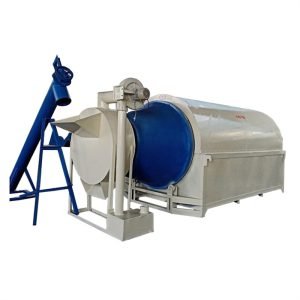
The drying principle of a drum dryer is to evaporate the moisture in the material through three processes: heating, heat transfer, and mass transfer, thereby achieving the purpose of drying
View details
Navigating oil extraction equipment choices can be complex. We simplify your decision-making process. We help you choose the right oil extraction equipment by understanding your specific business requirements, raw material types, and desired ou...
View details
The waste produced by hydraulic presses pressing walnut oil has various uses, including as fertilizer, feed, food raw materials, and industrial raw materials
View details
Spiral oil press can press various oil crops, such as peanuts, soybeans, sunflower, rapeseed, walnuts, cottonseeds, etc., to meet the diverse needs of users.
View detailsThis website uses cookies to improve your browsing experience. By continuing to use this site, you accept the use of our cookies. Data collected from this website is processed and stored in the United States.