 Oil Press Equipment and Oil Refining Machinery for Sale – Start Your Oil Press Business
SEARCH WHAT YOU WANT
Search allProductNews
SEARCH
Starting a vegetable oil business involves understanding the market, choosing the right raw materials and equipment like (oil press machine), planning your production scale, considering refining needs, estimating costs, and finding reliable suppliers.
The vegetable oil industry offers strong potential due to rising demand for edible oils, specialty oils, and animal feed byproducts (oil cake). Adding value to agricultural produce locally also creates opportunities.
There are several good reasons to look into the vegetable oil business right now. Firstly, global demand for edible oils keeps growing with the population. Secondly, there’s a rising interest in specific types of oils – think healthy options like sunflower or flaxseed oil, or specialty oils like walnut or perilla seed oil, often produced by smaller, local operations. This trend opens doors for businesses that aren’t huge corporations. Thirdly, the byproduct, the oil cake or meal left after pressing, is a valuable product itself, primarily as high-protein animal feed. This creates a second income stream. For farmers or agricultural communities, starting an Oil Mill Plant is a way to add significant value to their crops instead of just selling the raw seeds. It can create local jobs and provide fresh, traceable oil to the community. The ability to control quality and cater to niche markets makes it an attractive field.
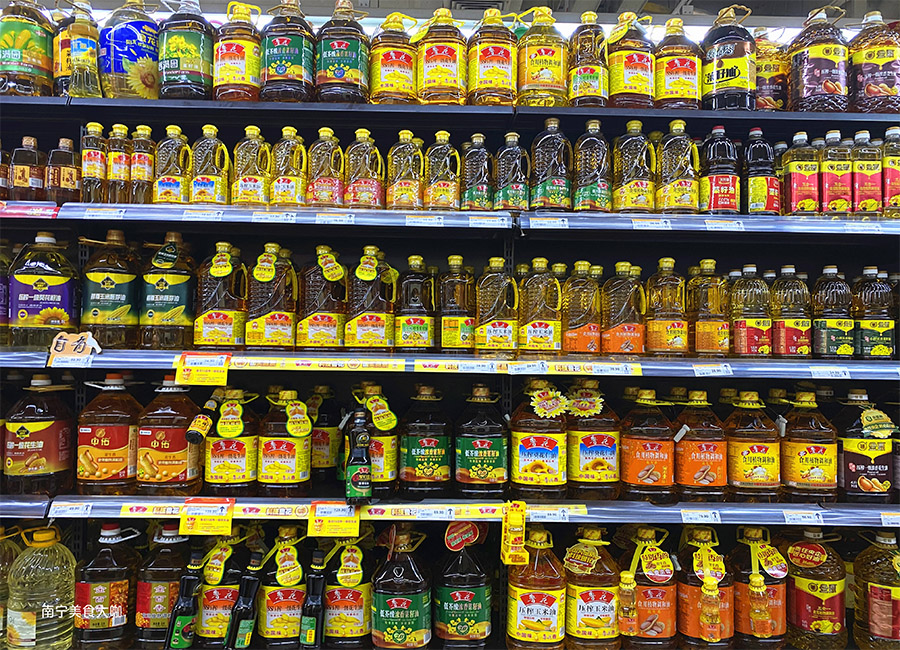
Starting an oil mill involves market research, business planning, securing capital, choosing a location, selecting raw materials and reliable Oil extraction equipment, obtaining permits, setting up, and planning sales/marketing.
Launching an oil mill requires a systematic approach. Don’t just buy a machine and hope for the best. First, do your homework: research the market demand in your area for specific oils and for oil cake. Who are your potential customers? Then, create a solid business plan outlining your production goals, target market, costs (equipment, raw materials, utilities, labor), and projected revenue. Next, figure out funding – personal savings, loans, or investors. Finding a suitable location is critical; consider space for equipment, raw material storage, finished product storage, accessibility, and zoning regulations. Selecting the right raw materials and establishing supplier relationships is key. Choosing the appropriate Oil extraction equipment based on your chosen seeds and scale is a major decision – we can help with that. You’ll likely need permits and licenses to operate legally. Once you have the space and equipment, you’ll need to set it up correctly, possibly with supplier assistance. Finally, plan how you will sell and market your oil and cake.
Yes, while some presses are versatile, specific oilseeds process best with certain machine types or configurations. Hardness, size, oil content, and desired processing (cold/hot) influence the ideal (oil press machine) choice.
It’s a common question: can a single oil press handle everything? The answer is nuanced. Many modern screw oil presses are designed to be quite versatile and can process a range of common oilseeds like soybean, peanut, rapeseed (canola), sunflower seed, and cottonseed with adjustments. However, the efficiency and effectiveness can vary. For example, very hard seeds or nuts (like palm kernel) might require a press with a more robust screw and chamber design, or even a double-screw press for higher pressure. Seeds with very high oil content might need specific screw geometry to handle the oil flow. For certain applications, especially cold pressing delicate seeds like flaxseed or perilla seed to preserve nutrients, a hydraulic press might be preferred over a screw press because it generates less heat through friction. While a single screw press can be a good starting point for common seeds, if you plan to specialize in a particularly hard, oily, or delicate seed, or require true cold pressing, discussing this with an equipment provider like us, Zhengzhou Fude Machinery, is crucial to select the best-suited machine. We offer various types including single screw, double screw, and hydraulic presses.
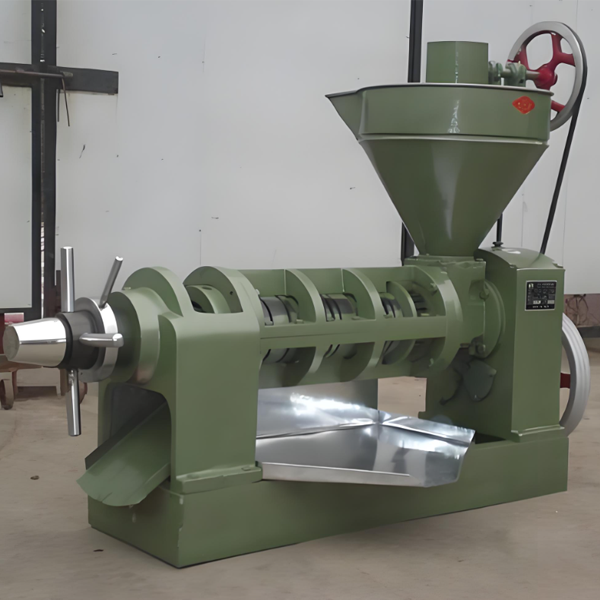
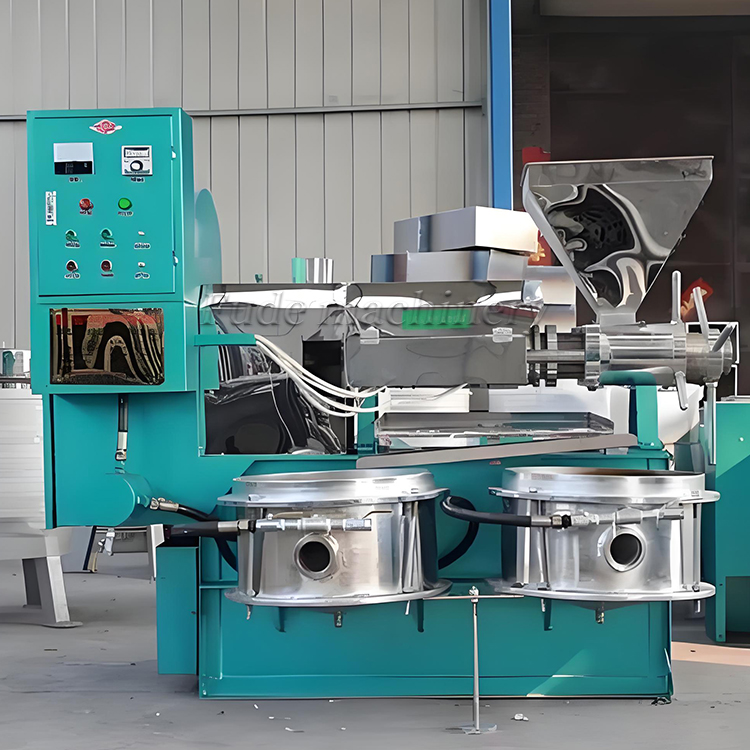
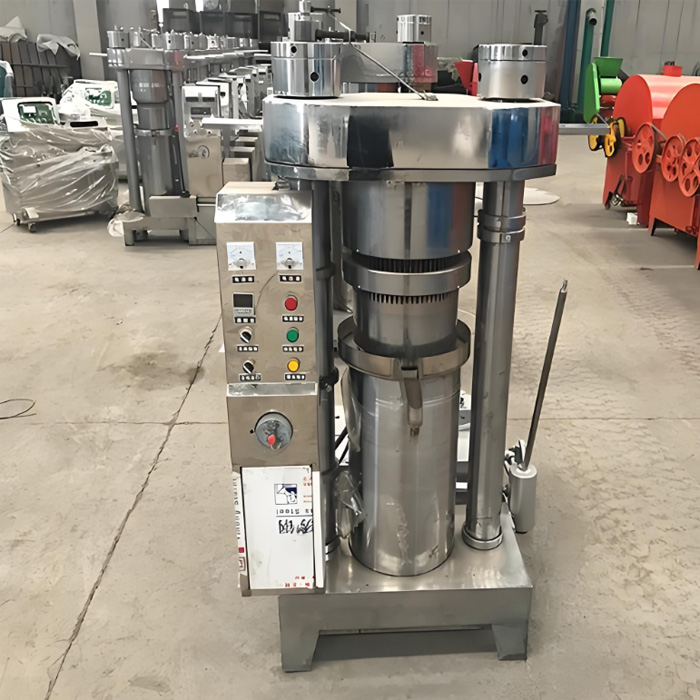
Select an Oil extraction equipment model based on its processing capacity (kg or tons per hour/day) matching your target daily output. Consider future growth, operating hours, and specific seed yield when choosing.
| Factor | Consideration | How It Influences Choice |
|---|---|---|
| Target Daily Input | How many kg/tons of raw material you plan to process per day? | Sets the baseline required capacity (e.g., TPD – tons per day). |
| Operating Hours | How many hours per day will the machine run? (e.g., 8h, 16h, 24h) | Determines required hourly capacity (kg/h or t/h). |
| Raw Material Type | Different seeds have different bulk densities and flow rates. | Actual throughput might vary slightly from rated capacity. |
| Future Growth | Do you anticipate increasing production volume soon? | May warrant choosing a slightly larger machine now. |
| Buffer Capacity | Allows for maintenance, unexpected delays, handling peak demand. | Select capacity ~20-30% higher than calculated minimum. |
| Budget | Larger machines cost more initially. | Balance capacity needs with available capital. |
A complete Oil Mill Plant often needs auxiliary equipment like seed cleaners, shellers (if needed), cookers/roasters (for hot pressing), conveyors, filter presses, and sometimes storage tanks, beyond just the main press.
While the (oil press machine) is the heart of the operation, it rarely works in isolation for efficient production, especially beyond a very small scale. Several pieces of auxiliary equipment are often necessary or highly recommended. Seed cleaning equipment (like screens or destoners) removes impurities like dirt, stones, and leaves, protecting the press and improving oil quality. For nuts like peanuts or certain seeds, a sheller or dehuller might be needed first. If you plan on hot pressing, a Roasting Machine (cooker) is essential to heat the seeds before pressing, which increases yield and develops flavor. Conveyors (screw or belt) are needed to move materials efficiently between stages, reducing manual labor. After pressing, the crude oil contains fine solid particles. A Filter Press is crucial to clarify the oil. Depending on your scale and process, you might also need storage tanks for raw materials, crude oil, and finished oil. We, Zhengzhou Fude Machinery, can help design a complete line including necessary auxiliary machines tailored to your needs.
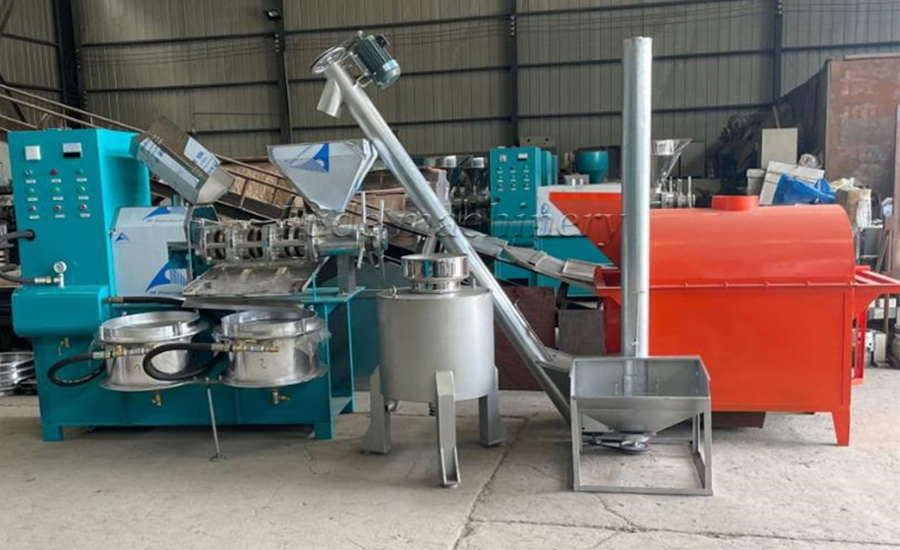
| Equipment Type | Function | Why It’s Important |
|---|---|---|
| Seed Cleaner/Screener | Removes impurities (dirt, stones, debris). | Protects press, improves oil quality & yield. |
| Sheller/Dehuller | Removes outer shells/hulls (e.g., peanuts, sunflower). | Improves pressing efficiency, oil quality, cake quality. |
| Cooker/Roaster | Heats seeds before hot pressing. | Increases oil yield, develops flavor, sterilizes. |
| Conveyor(s) | Transports material between machines. | Reduces manual labor, ensures continuous flow. |
| Filter Press | Removes fine solids from crude oil. | Produces clear, saleable oil. |
| Storage Tanks | Hold raw materials, intermediate, or finished products. | Buffering capacity, organized storage. |
| Packaging Machine | Fills bottles or containers with finished oil. | Prepares product for retail/wholesale market. |
In short, to enter the vegetable oil pressing business, we need to comprehensively investigate the market demand, accurately control the supply and quality of raw materials, scientifically plan the production process, strictly control the technical standards, and at the same time, pay attention to branding and marketing promotion, and establish a perfect risk prevention and control mechanism, in order to be able to move forward steadily in the market.
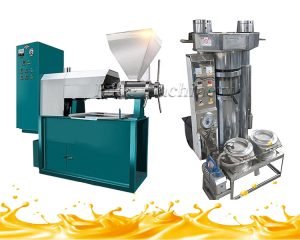
Problem: Choosing between hydraulic and screw oil presses can be confusing. Agitation: Making the wrong choice wastes money and limits your production potential. Solution: Understand their core differences to select the best fit for your needs. ...
View details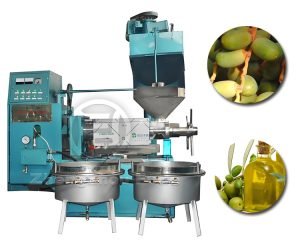
The process of extracting olive oil involves multiple steps such as picking, cleaning, crushing, pressing, separating, and filtering the olive fruit. It is recommended to use a Fude oil press to obtain high-quality olive oil products.
View details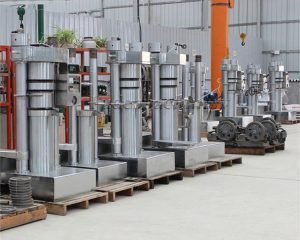
Hydraulic oil press is a device specifically designed for extracting various vegetable oils
View details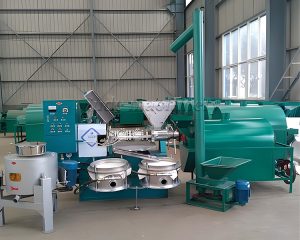
Understanding the raw materials is the foundation of a successful oil processing business. Different seeds have unique properties that directly impact how you process them and the equipment you need. Let's explore why this knowledge is so importa...
View detailsThis website uses cookies to improve your browsing experience. By continuing to use this site, you accept the use of our cookies. Data collected from this website is processed and stored in the United States.