 Oil Press Equipment and Oil Refining Machinery for Sale – Start Your Oil Press Business
SEARCH WHAT YOU WANT
Search allProductNews
SEARCH
If you plan to enter the edible oil market, you must understand how to process sunflower seed oil. Sunflower oil is one of the most popular cooking oils in the world. This creates a huge business opportunity. The process involves several key steps, each requiring a specific machine.
As a B2B manufacturer of oil processing equipment, we at Fude Machinery design and build complete production lines for this exact purpose. We will guide you through the entire commercial process, from raw seed to finished product. This guide is for business owners who want a clear, step-by-step plan.
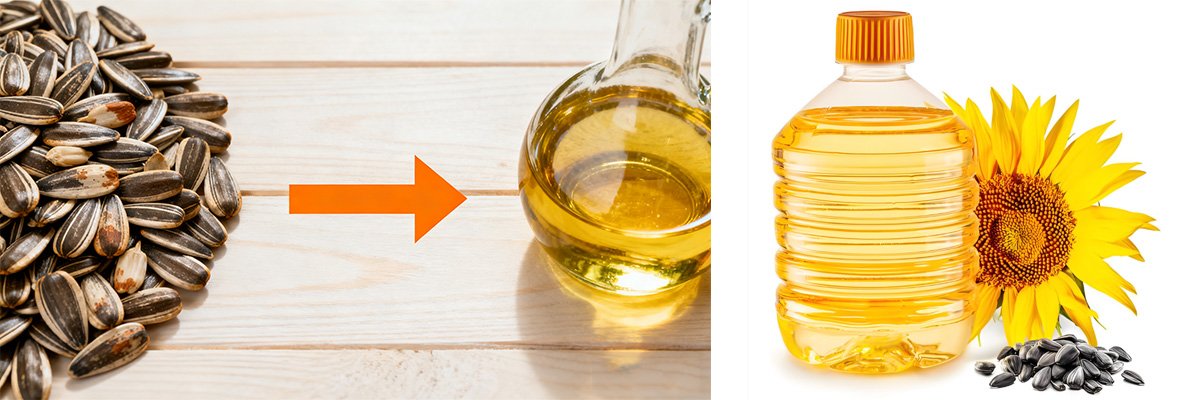
Yes, cleaning and dehulling the sunflower seeds are the most critical first steps. Skipping this pre-treatment stage is a costly mistake. It will damage your equipment and lower the value of your final products. This is the foundation of a professional sunflower seed oil processing operation.
First, the raw sunflower seeds must be cleaned. They often come from the farm mixed with dirt, small stones, leaves, and other debris. You must remove these impurities. We use vibrating screens and de-stoner machines for this. If you feed dirty seeds into your sunflower seed oil press, the hard impurities will cause severe wear and tear on the expensive internal parts. This leads to costly repairs and downtime. Clean seeds mean a longer life for your machines. Second, you must remove the black shells, or hulls. A sunflower seed shelling machine cracks the seeds and separates the kernel from the hull. The hulls contain very little oil. They act like a sponge and absorb valuable oil during pressing. They also lower the protein content of your leftover oil cake, making it less valuable as animal feed.
After preparing the kernels, the next step is extracting the oil with a sunflower seed oil press. This is the heart of the operation. Here, you have to make a key business decision. You must choose between the hot press process and the cold press process. Your choice depends on your target market.
The hot press process is for maximizing your oil yield. In this method, the clean kernels are first cooked in a roasting machine (炒货机). The heat lowers the moisture content and makes the oil less thick. The hot kernels are then fed into a powerful screw oil press. Because the oil is thinner, it flows out very easily. This process gives you the highest possible amount of oil. The resulting oil has a strong, nutty aroma. This is the standard method for producing regular cooking oil. The cold press process is for creating a premium oil. Here, the kernels are pressed at room temperature without any pre-heating. This produces less oil, but the quality is superior. It preserves the natural, mild flavor and nutrients. Cold-pressed oil is sold at a much higher price in health-conscious markets. Our screw presses can handle both methods, giving you business flexibility.
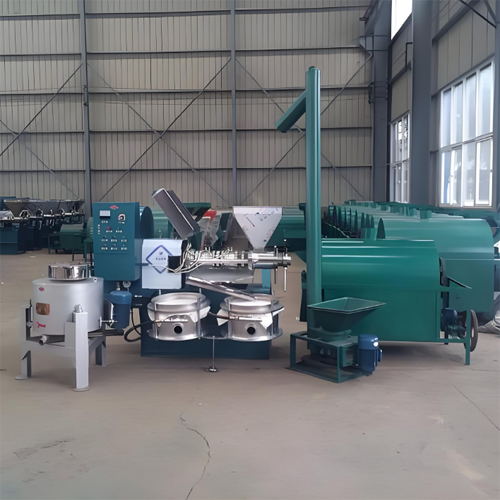
| Process Feature | Hot Press Process | Cold Press Process | What This Means for Your Business |
|---|---|---|---|
| Oil Yield | Very High (40-45%) | Lower (30-35%) | Hot pressing gives you more liters to sell per ton of seeds. |
| Oil Quality | Good, strong roasted flavor. | Excellent, natural, mild flavor. | Cold-pressed oil is a premium product with a higher profit margin per bottle. |
| Co-Product | Darker oil cake. | Lighter, high-quality oil cake. | The cake from both processes is valuable animal feed. |
| Investment | Press + Roaster | Press Only | Hot pressing requires a small extra investment for a large gain in yield. |
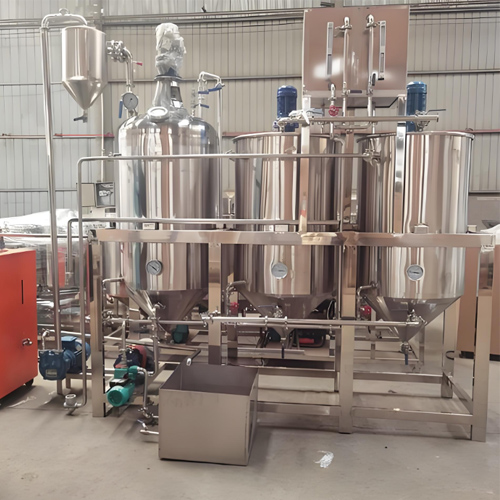
The oil that comes directly from the press is called crude oil. You must filter this oil. This step is not optional. It is essential for producing a stable, clean, and sellable product. Unfiltered oil will not be accepted by the market.
Crude sunflower oil is cloudy. It contains microscopic solid particles from the seed kernels. These particles are often called “foots” or fines. If you leave them in the oil, they will settle at the bottom of the bottle over time, making the product look dirty and unappealing. These particles can also make the oil go bad faster. We use two main types of machines for this step. The most common is the plate and frame oil filter press. This machine pumps the crude oil through a series of special filter cloths that trap all the solids. The result is a clean, bright, and transparent oil. For larger operations, a centrifugal filter or vacuum filter can be used for a more continuous and automated process. A properly filtered oil has a longer shelf life and the professional appearance that customers expect.
For more about the fundamental machine, read our guide on what is an oil press and how it works.
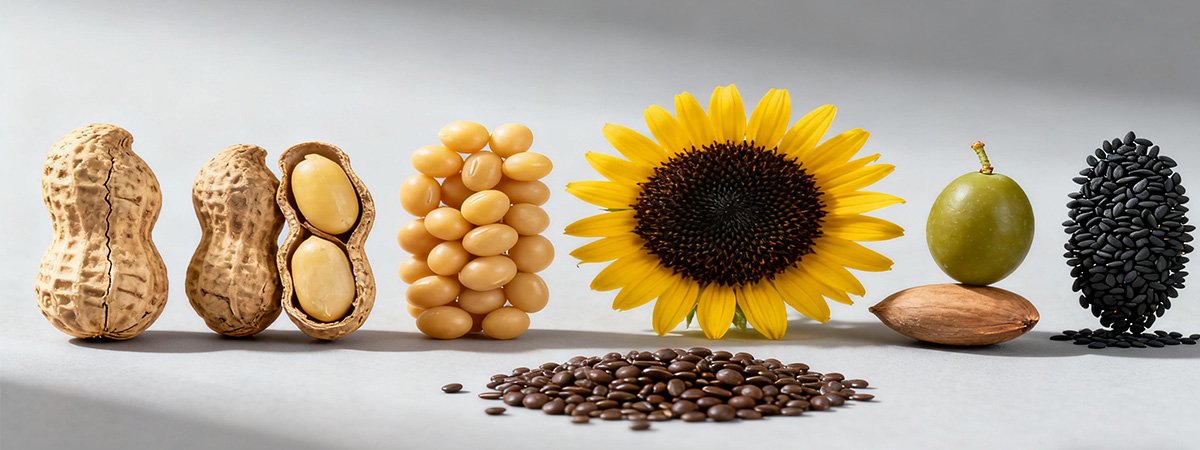
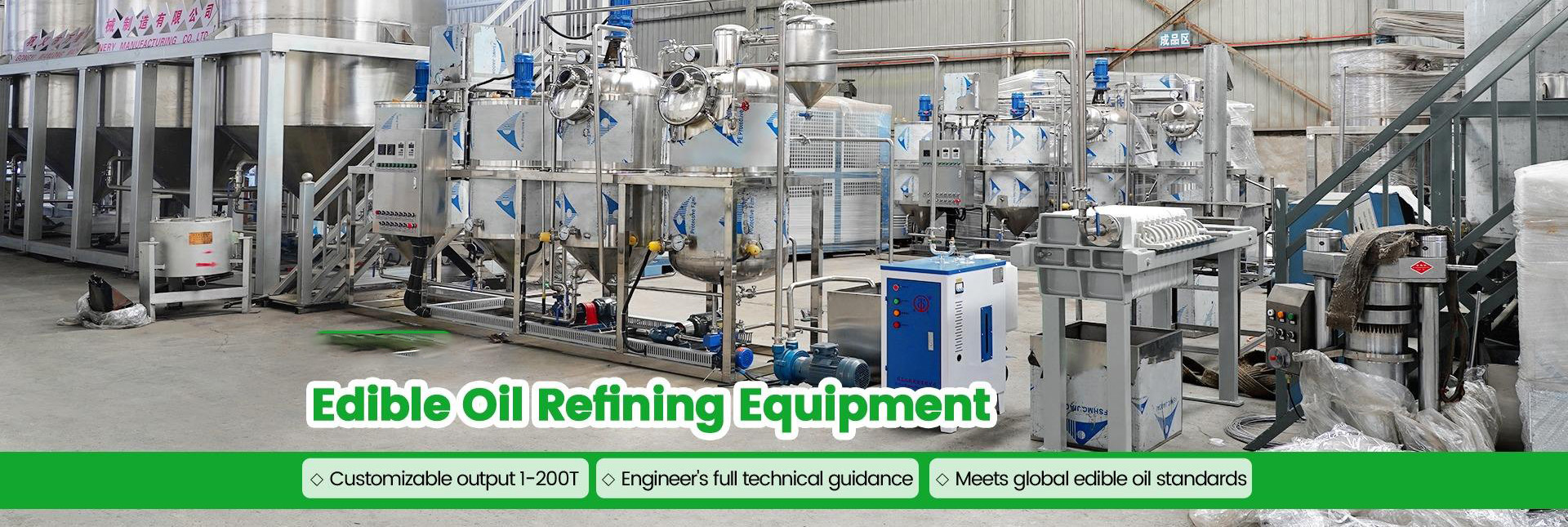
If you want to produce a fully neutral, light-colored cooking oil for supermarkets, you must refine it. Filtering gives you clean crude oil, but refining creates a high-grade final product. This is a chemical and physical process done in a dedicated oil refinery plant.
Refining is a multi-stage process. We design complete refinery solutions that include all four main steps. These are often called the “four D’s.”
This complete refining process turns your basic crude oil into a premium, shelf-stable cooking oil that can compete with major international brands. You can learn more about our oil refinery plant solutions for businesses of any size.
The path for how to process sunflower seed oil is a clear, four-step journey. You must start with cleaning and dehulling to protect your machines and improve product quality. Next, you choose between the high-yield hot press process or the high-quality cold press process using a sunflower seed oil press. After pressing, you must filter the crude oil to create a clean, marketable product. Finally, for the highest grade of oil, you must perform the full refining process.
Your business strategy will determine which steps are most important for you. A small startup might only do the first three steps. A large commercial plant will do all four. As a full-service manufacturer, we can provide the exact equipment you need for every stage.
Are you ready to start your profitable sunflower oil business?
Contact our expert team at Fude Machinery today. We will provide a professional consultation and a customized quotation for a production line that fits your business plan and budget.

Screw oil press (usually also known as spiral oil press) is a mechanical equipment widely used in the processing of plant oil. It is suitable for pressing various oil crops, including but not limited to the following: ...
View details
The tea seed peeling machine is mainly used for processing oil tea fruits, such as impurity removal, peeling, and sorting
View details
A sunflower seed oil press It extracts valuable oil from sunflower seeds. This machine is the engine of a profitable sunflower oil business. It takes a low-cost agricultural product and turns it into two high-value products: crude sunf...
View details
The application prospects of grain drum dryer are very broad
View detailsThis website uses cookies to improve your browsing experience. By continuing to use this site, you accept the use of our cookies. Data collected from this website is processed and stored in the United States.