 Oil Press Equipment and Oil Refining Machinery for Sale – Start Your Oil Press Business
SEARCH WHAT YOU WANT
Search allProductNews
SEARCH
Starting your own edible oil business is an exciting venture. Many entrepreneurs see the potential but get stuck on the first step: how do you actually set up an oil production plant? It can seem complicated, but it is a very logical process. We are Fude Machinery, an integrated manufacturer and distributor. We have established successful oil extraction projects for clients in multiple countries. In this article, we will analyze and introduce how these oil extraction projects are developed.
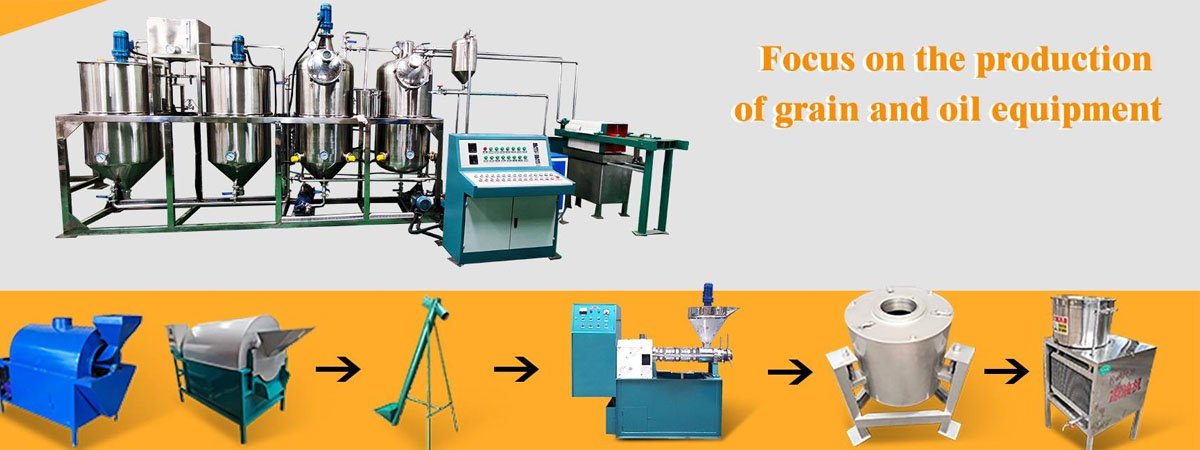
Setting up an oil production plant is a step-by-step project. You must complete each step in the right order. Trying to buy equipment before you know your raw material or your production scale will lead to expensive mistakes. Follow these five steps, and you will build your business on a solid foundation.
Your choice of raw material determines everything else. The type of equipment you need for processing peanuts is different from the equipment for palm fruit. Before you can do anything else, you must decide what you are going to process. This decision should be based on what is grown locally and is available in large, reliable quantities.
Look around your region. What are the main oil-bearing crops? Are they sunflower seeds, soybeans, groundnuts (peanuts), cottonseeds, or palm fruits? Your business will depend on a steady, affordable supply of this raw material. Once you have chosen your primary raw material, you can move to the next step and start thinking about machinery.
Your production scale is the most important factor for your budget. The “scale” just means how much raw material you plan to process each day. Are you a small startup, a growing business, or a large industrial player? The answer determines the size and type of the machinery you will need. We manufacture complete lines for every scale.
| Plant Scale | Capacity (Raw Material/Day) | Best For… | Your Advantage |
|---|---|---|---|
| Small-Scale | 1 – 10 Tons | Start-ups, small farms, local communities. | Lowest initial investment, simple operation. |
| Medium-Scale | 10 – 50 Tons | Growing businesses, regional suppliers. | Good efficiency, can serve larger markets. |
| Large-Scale | 50 – 1000+ Tons | Industrial producers, national brands. | Lowest cost per liter of oil, high automation. |
A small-scale plant is the best way to enter the market with a lower initial risk. A medium-scale plant allows you to grow and capture more market share. A large-scale plant is a major industrial project that requires significant investment but offers the highest long-term returns. Your business plan should clearly state which scale you are targeting.
An oil production plant has three main sections. These are Pre-treatment, Extraction, and Refining. You need to select the right machines for each section based on your raw material and your chosen scale. As a manufacturer, we design and build complete, integrated lines where all the machines work together perfectly.
The screw oil press is a fully automatic hydraulic edible oil processing machine that uses a rotating screw shaft to continuously and efficiently extract oil from raw materials. Its core advantages lie in its compact structure, user-friendly operation, and high oil yield. Widely adopted by individual entrepreneurs, small-scale oil mills, and agricultural cooperatives, it supports the pressing of over 30 types of oilseeds, including peanuts, soybeans, rapeseed, and sunflower seeds.
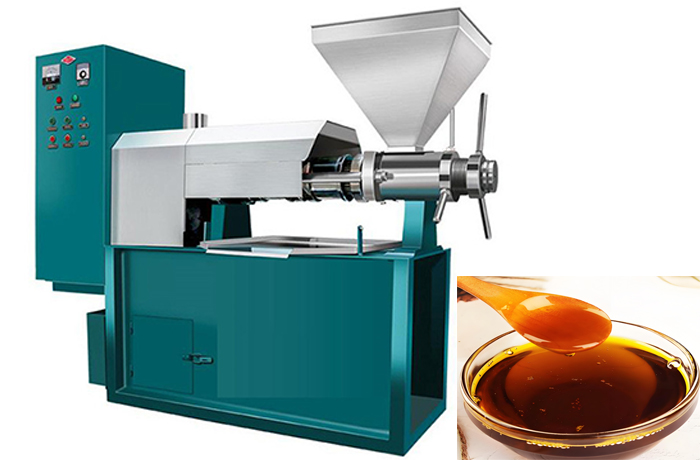
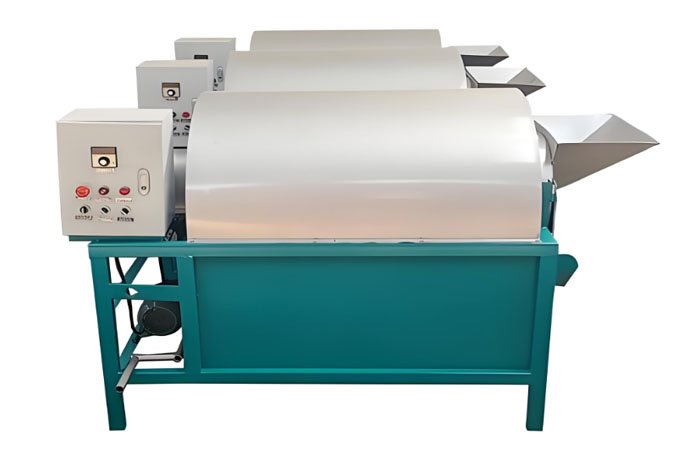
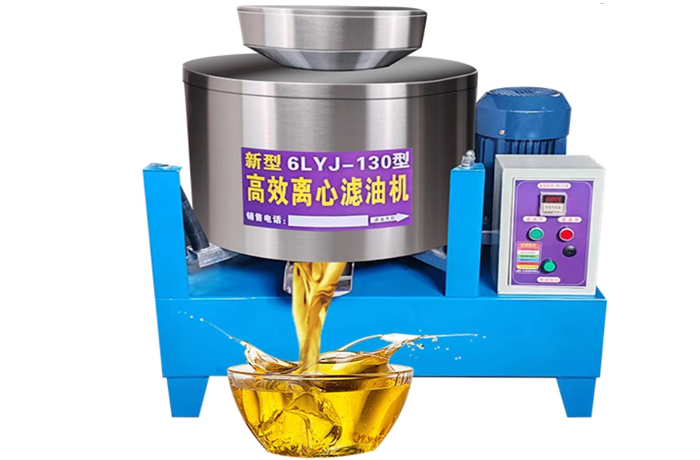
The compact oil press is equipped with a roasting machine and centrifugal oil separator, suitable for oilseeds such as rapeseed, sunflower seeds, and sesame seeds. When used together, they significantly enhance oil yield while preserving the nutritional value and flavor of the oil.
Hydraulic oil presses are designed based on Pascal’s principle (a principle of hydraulics). Within a sealed container, any change in pressure at a single point in a balanced fluid transmits to all directions with equal magnitude. By generating substantial pressure through the hydraulic system and applying it to the oilseeds, the oil within the seeds is squeezed out.
Supports fully automated operation covering feeding, pressing, and cake discharge, reducing labor by 60% for equivalent output. Capable of efficiently pressing a wide range of oilseeds including soybeans, sesame seeds, flaxseeds, camellia seeds, cottonseeds, Sichuan pepper seeds, walnut kernels, tung seeds, castor beans, and almonds.
In small and medium-sized oil processing plants, hydraulic oil presses must be integrated with crushers, softening equipment, conveying systems, and other components to form a complete production line. As downstream equipment, oil filters enable continuous filtration and dehydration of crude oil, enhancing overall production efficiency. For instance, plate-and-frame oil filters utilize compressed filter cloth for filtration, making them suitable for large-scale production; centrifugal oil filters, meanwhile, leverage centrifugal force to rapidly separate oil residue, making them ideal for oils with high impurity content.
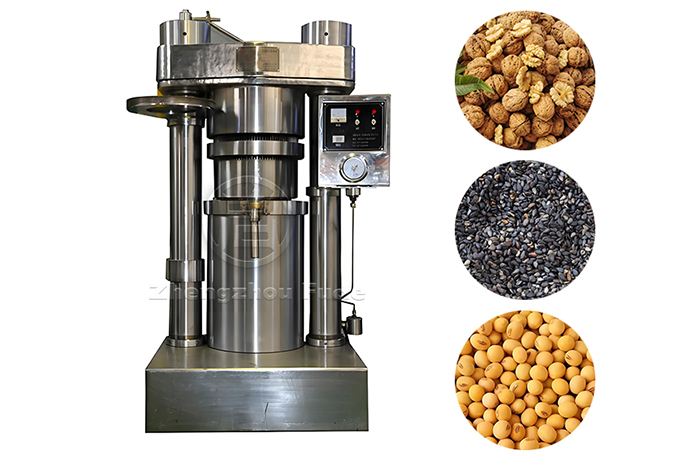
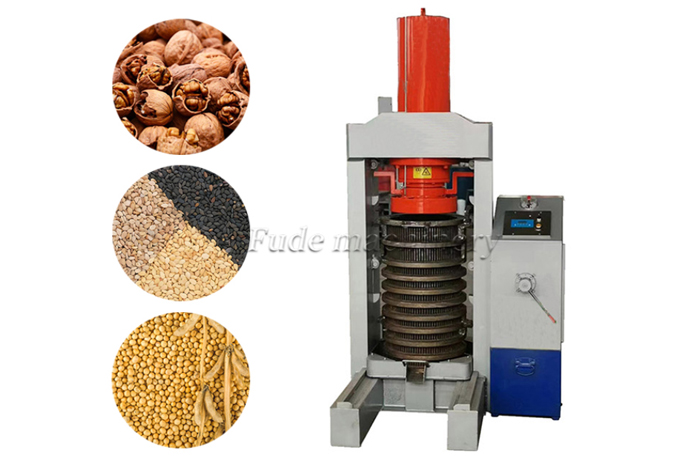
Beneath the vast canopy of the tropical rainforest, oil palms stand tall with their towering figures and abundant fruits, serving as a vital pillar of the global vegetable oil industry. As a core component of the oil palm supply chain, palm kernel oil presses are driving the industry toward green sustainability through efficient and intelligent technological innovations.
The core objective of palm kernel oil presses is to separate oil from hard kernels through physical pressing or chemical leaching processes.
The palm kernel oil press is not only a masterpiece of mechanical engineering but also a bridge connecting tropical agriculture with global markets. Driven by both technological innovation and sustainable principles, this equipment is helping the oil palm industry overcome efficiency bottlenecks, providing us with cleaner, more efficient vegetable oil solutions.
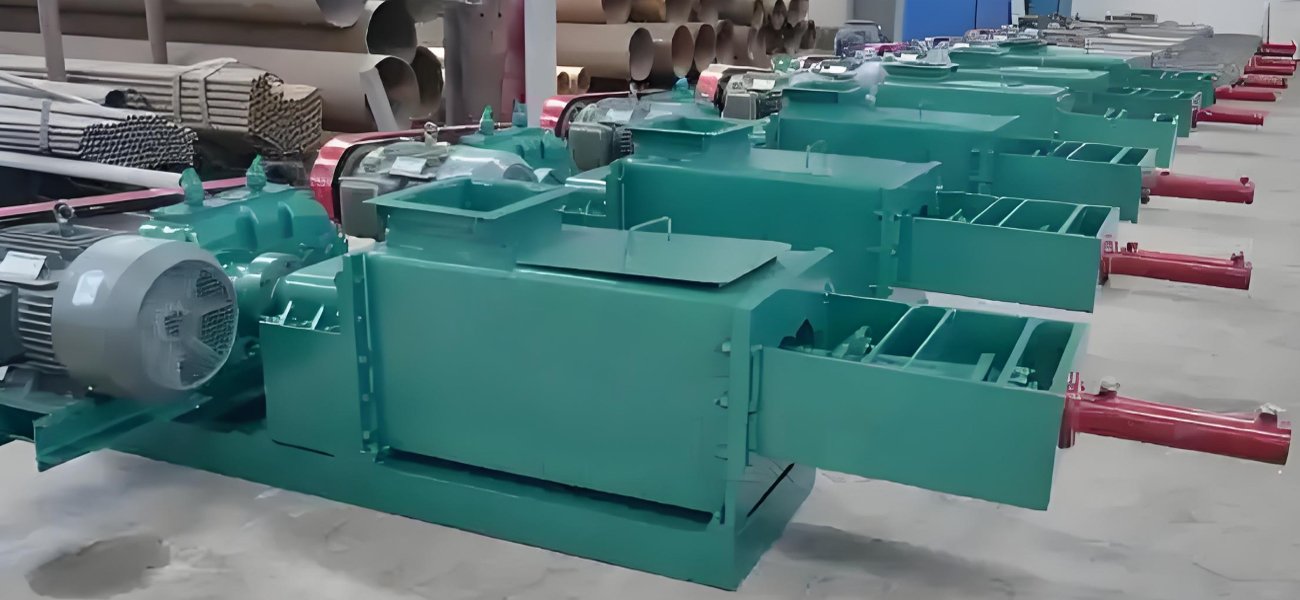
The relationship between refining machines and oil presses primarily manifests in their sequential connection within the edible oil production process. Oil presses handle primary oil extraction, while refining machines undertake subsequent quality enhancement. Together, they form a complete edible oil processing system.
As the initial stage in edible oil production, oil presses separate lipids from oilseeds through mechanical pressure (such as screw presses), yielding crude oil containing impurities, gums, and free fatty acids. Their core function is efficient lipid extraction, yet crude oil may retain phospholipids, pigments, and off-flavor compounds that directly impact the color, taste, and shelf life of edible oil.
Refining units undertake the purification of crude oil through processes such as degumming, neutralization, decolorization, and deodorization to remove impurities and harmful components. For instance, degumming removes phospholipids to prevent oil oxidation; neutralization neutralizes free fatty acids to enhance stability; decolorization adsorbs pigments to improve color; and deodorization eliminates off-odors to enhance flavor. The final output is standardized finished oil that meets food safety requirements.
In edible oil production, oil presses and refining units form a continuous production line. The coordinated operation of equipment not only boosts production efficiency but also significantly enhances product value. Develop your oil extraction plan by consulting Fude Machinery for a comprehensive oil processing business solution.
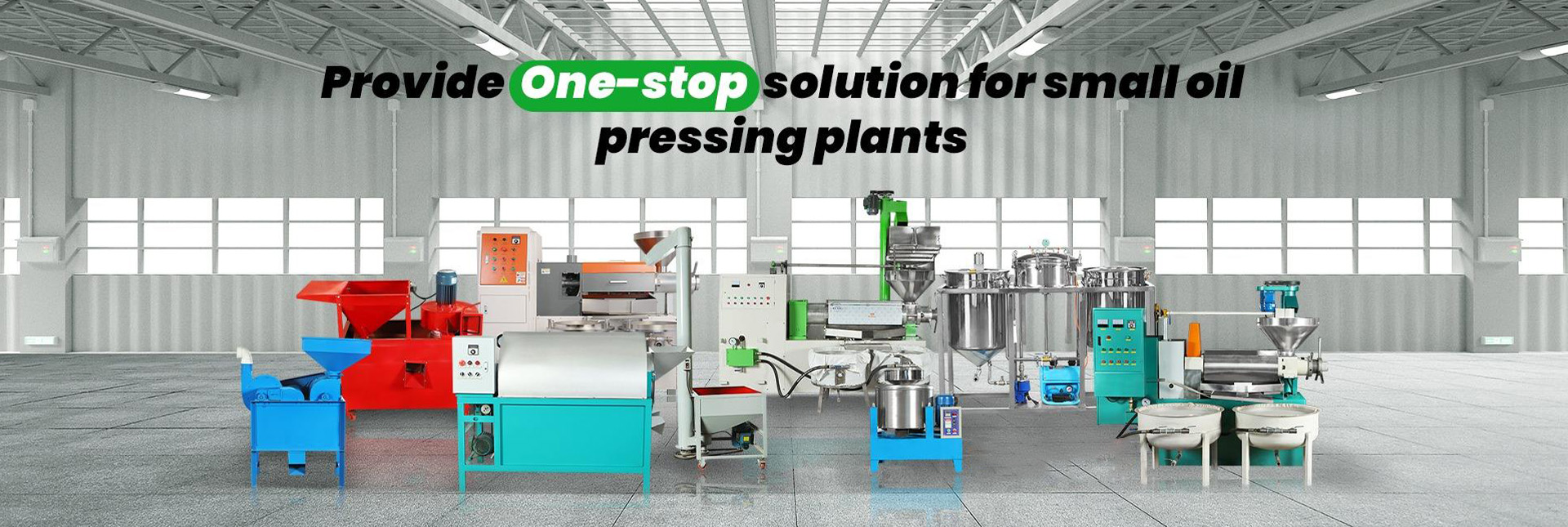
A good factory layout makes your operation efficient and safe. Once you have chosen your equipment, you need to plan where everything will go. The layout should allow for a smooth flow of materials, from the raw material receiving area to the final product storage. You also need to plan for worker safety and easy access for maintenance.
You do not have to do this alone. When you partner with a professional manufacturer like us, we provide a detailed factory layout design. We use our experience to create a plan that optimizes your space and ensures your edible oil production line runs smoothly from day one. This service is a key part of setting up a professional and successful plant.
Your budget must include more than just the cost of the machines. A common mistake is to only focus on the equipment price. A realistic budget for your oil mill plant needs to cover all startup costs.
Your budget should include:
The trend for 2026 and beyond is to set up an oil production plant with more automation. Modern plants now use PLC (Programmable Logic Controller) systems. This means you can control the entire production line from a central computer screen. This reduces the need for manual labor, improves consistency and quality, and makes the plant more efficient. Even for small and medium-scale plants, semi-automatic controls are becoming the new standard. This technology makes it easier than ever to run a professional and profitable oil mill.
To set up an oil production plant, you need a clear, step-by-step plan. Start by choosing your locally available raw material. Then, decide on a production scale that matches your ambition and budget. Select the right equipment for pre-treatment, extraction, and refining. Plan your factory layout for efficiency and create a comprehensive budget that covers all your startup costs.
Following this roadmap will help you avoid common pitfalls and establish a solid foundation for your business. The most critical decision is choosing to partner with a reliable and experienced equipment manufacturer. Zhengzhou Fude Machinery can guide you through the entire process.
Are you ready to take the first step toward building your own oil production plant?
Contact our expert team at Fude Machinery today. We are here to provide a professional consultation and a detailed quotation for your project.
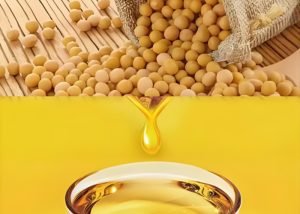
The edible oil produced from soybeans is light, clean, and flavorful. This makes it more popular and loved by many people. Soybean oil is composed of 60% polyunsaturated fat and 24% monounsaturated fat, which combine to form a heart healthy oil....
View details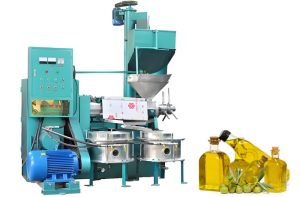
Definition: An oil press is a mechanical device that extracts oil from oily plant seeds (such as peanuts, rapeseed, sesame, sunflower, corn germ, coconut, palm kernel, soybean, etc.) through physical pressure or chemical methods. It replaces the ...
View details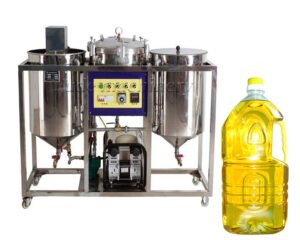
Are you seeking to produce premium, edible peanut oil from crude groundnut oil? Do you want to understand the machinery that makes this possible? I am Fude Machinery. My company specializes in oil processing equipment. I can help you. I desi...
View details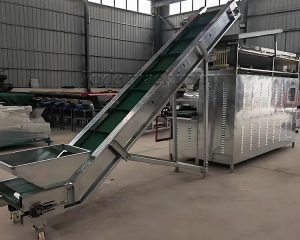
The large-scale tea seed shelling machine integrates tea seed shelling and shell kernel separation, and has multiple significant features and advantages.
View detailsThis website uses cookies to improve your browsing experience. By continuing to use this site, you accept the use of our cookies. Data collected from this website is processed and stored in the United States.