 Oil Press Equipment and Oil Refining Machinery for Sale – Start Your Oil Press Business
SEARCH WHAT YOU WANT
Search allProductNews
SEARCH
Starting a business in the food processing industry is a smart move. Peanut oil is a popular cooking oil with constant global demand. A peanut oil production line is a complete system of machines that turns raw peanuts into valuable, market-ready oil. This is a business with a clear path to profitability.
We are Fude Machinery, a B2B manufacturer of oil processing equipment. We have helped entrepreneurs in over countries build their own successful oil businesses. This guide will give you a clear, step-by-step plan to establish your own profitable peanut oil production line.
Your first step is to research your raw materials and your target market. Before you buy any equipment, you need a solid business plan. This plan starts with two basic questions: Where will you get your peanuts, and who will you sell your oil to?
First, look at your local supply of peanuts. What is the cost per ton? What is the quality? Building relationships with local farmers can give you a stable and affordable supply of raw materials. This is the foundation of your business costs. Next, identify your customers. Will you sell crude peanut oil to larger refineries? Or will you sell filtered or refined oil directly to consumers, restaurants, and local shops? The answer to this question will determine which machines you need in your peanut oil production line. A clear plan for supply and sales will make all your future decisions much easier.
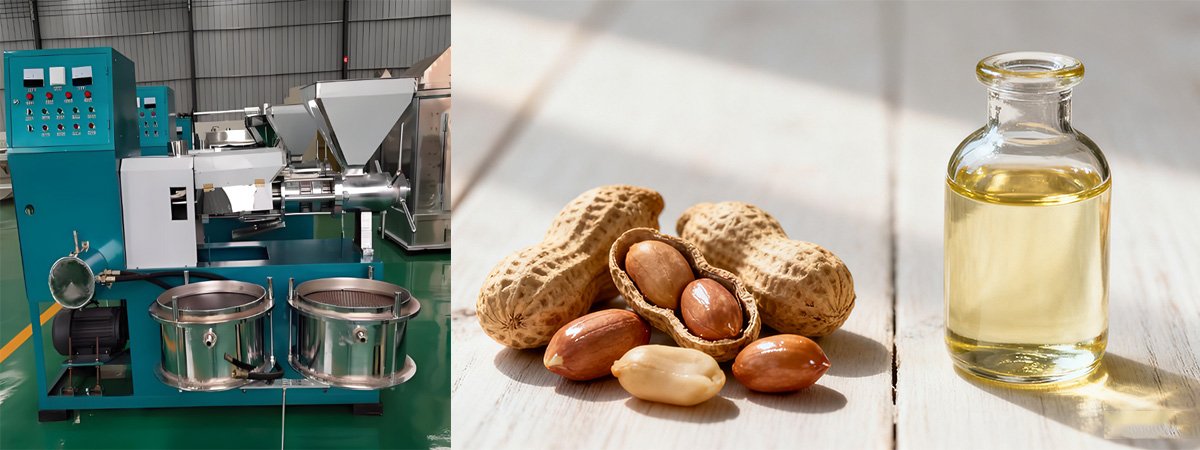
The heart of your operation is the peanut oil extraction machine. This is the machine that does the most important job: squeezing the oil from the peanuts. All other machines in the line are there to support this core process and make it more efficient.
The most common and efficient machine for this job is the screw oil press. This powerful machine uses a large, rotating screw to create immense pressure inside a chamber. It physically squeezes the oil out of the peanuts, separating it from the solid part, which is called the peanut cake. The quality and efficiency of your oil extraction machine directly determines your daily production volume and your overall profitability. We manufacture robust screw presses of all sizes, from small models for startup businesses to large industrial machines for high-volume production. Choosing a reliable press is the most important investment you will make.
Pre-treatment machines prepare the peanuts for pressing to maximize your oil yield. You can press raw peanuts, but you will get much less oil and the quality will be lower. Investing in a few simple pre-treatment machines can increase your profit by a large amount. This is a step that serious businesses never skip.
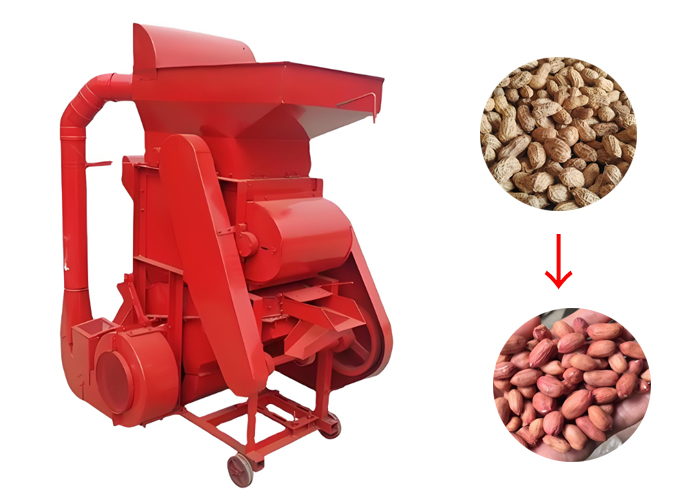
You must remove the hard outer shell before pressing. Pressing peanuts with their shells on is very inefficient. The shells absorb a lot of valuable oil, which then gets wasted in the seed cake. The shells also cause a lot of extra wear and tear on your expensive peanut oil extraction machine. A peanut shelling machine is a simple and low-cost machine that quickly removes the shells. This single step can increase your final oil yield by over 10%.
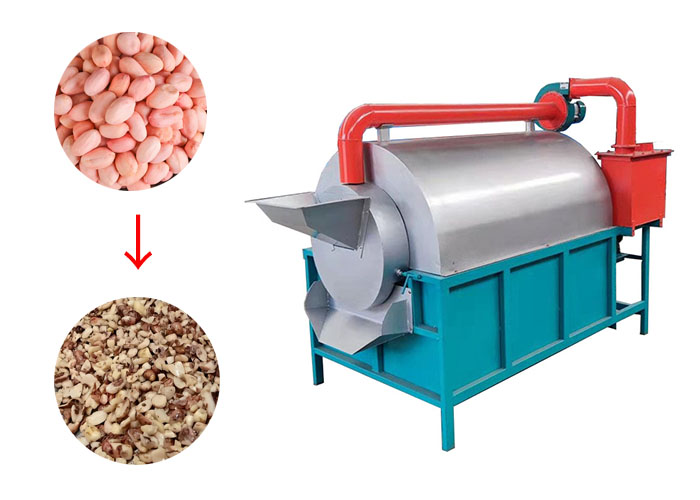
After shelling, the peanut kernels should be roasted. A roasting machine heats the peanuts to a specific temperature. This process does two very important things. First, it reduces the moisture content to the ideal level for pressing. Second, the heat breaks down the cell walls inside the peanut, making it much easier for the oil to be released. Roasted peanuts produce a richer, more aromatic oil and give a significantly higher yield than unroasted peanuts. This machine pays for itself very quickly through the extra oil you produce.
The oil that comes from the press needs to be cleaned before it can be sold. This crude oil contains fine particles of peanut meal, which make it cloudy. You need to filter the oil to get a clean, clear, and stable product that customers want to buy.
An oil filter press is the standard machine for this job. It pumps the crude oil through a series of filter cloths that trap all the solid particles. The result is a bright, golden, and transparent peanut oil. This filtered oil has a longer shelf life and a much better appearance. For most small and medium-sized businesses, this filtered crude oil is the final product. It is ready for bottling and selling.
If you want to produce a fully refined, neutral-tasting cooking oil for the supermarket, you will need to set up an oil production plant with a refinery section. An oil refinery plant involves a few more steps, like degumming, deacidification, and deodorization. This process removes strong flavors and odors. We can design and provide small-scale, modular refinery equipment for businesses that want to target this high-end market.
| Production Stage | Machine Needed | Your Business Advantage |
|---|---|---|
| Pre-Treatment | Shelling Machine, Roasting Machine | Increases oil yield by over 15%; protects your press. |
| Extraction | Screw Oil Press | The core engine of your business; determines your daily capacity. |
| Post-Treatment | Oil Filter Press | Creates a clean, stable, and sellable product. |
| Advanced | Small Oil Refinery | Accesses the premium market for fully refined cooking oil. |
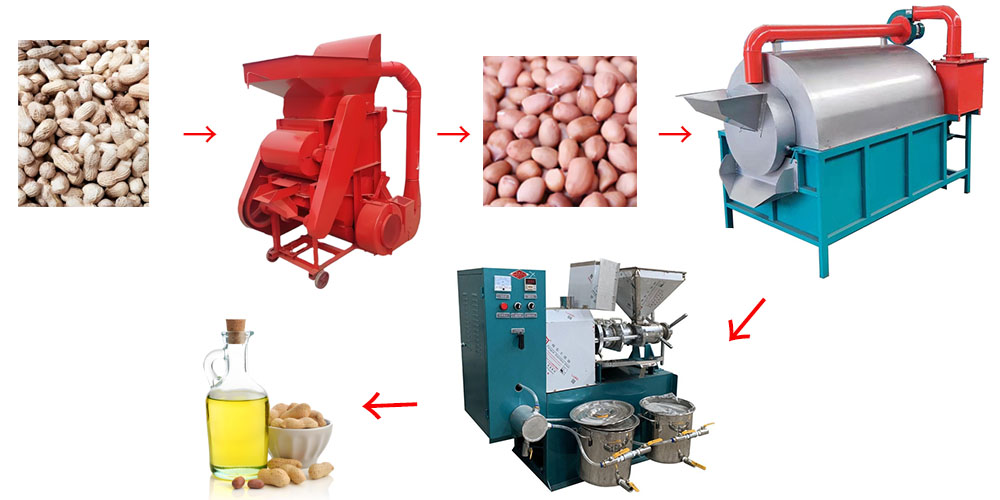
A complete peanut oil mill plant is an integrated, efficient system. It is not just a collection of random machines. It is a logical flow where the output of one machine becomes the input for the next.
The process flows like this:
As a manufacturer, we specialize in designing and supplying these complete turn-key oil mill plants. We ensure that all the machines are perfectly matched in capacity, creating a smooth and highly efficient production line for your business.
The future of oil processing is automation. For 2026, the most significant trend is the integration of smart control systems into the peanut oil production line. Instead of manually operating each machine, a central control panel can manage the entire process. This system can automatically adjust the roasting temperature, control the feeding speed of the oil press, and monitor the filtration process. This technology reduces the need for labor, minimizes human error, and ensures consistent product quality 24/7. It is an investment that leads to higher efficiency and long-term profitability.
Building a profitable peanut oil production line is a systematic process. It starts with a solid plan for your raw material supply and your target market. From there, you must invest in the right sequence of machines: pre-treatment (shelling and roasting), extraction (a reliable screw press), and post-treatment (filtration). Each step is critical for maximizing your oil yield and producing a high-quality product. Partnering with a factory-direct manufacturer like us gives you access to high-quality equipment at the best price.
Your next step should be to calculate your expected daily processing volume. With that number, you can begin to select the specific models of machines that will form the foundation of your new business.
Are you ready to turn raw peanuts into pure profit?
Contact our expert team at Fude Machinery today. We are ready to provide a professional consultation and a detailed quotation for your complete peanut oil production line.
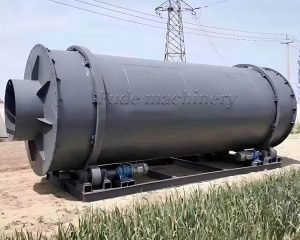
The three tube dryer achieves efficient drying of materials through the structural design of the inner, middle, and outer tubes
View details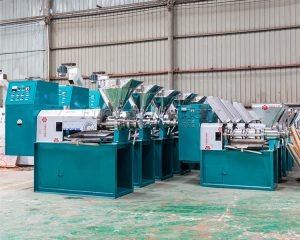
Oil presses are divided into hot presses and cold presses in terms of processing technology, oil characteristics, and usage scope.
View details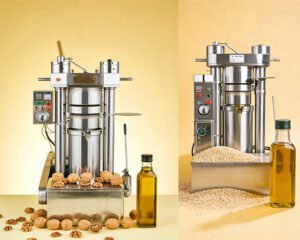
If your goal is to produce the highest quality oil, you need a special tool. So, what is a hydraulic oil press? It is a type of oil extraction machine that uses enormous static pressure to gently squeeze oil from seeds and nuts. This machine is t...
View details
Sunflower oil is an ingredient naturally derived from sunflower seed. It is also an ingredient used throughout the world to improve the quality of food. Cooking with butter is usually considered bad, but if you use the oil effectively and gradua...
View detailsThis website uses cookies to improve your browsing experience. By continuing to use this site, you accept the use of our cookies. Data collected from this website is processed and stored in the United States.