 Oil Press Equipment and Oil Refining Machinery for Sale – Start Your Oil Press Business
SEARCH WHAT YOU WANT
Search allProductNews
SEARCH
To choose an oil press for a small oil mill, start with your main oilseed, daily processing target, and finished product requirements. Then compare suitable machines under clearly stated operating conditions. Your budget should cover the press, necessary supporting equipment, installation, and operating needs.
At Fude Machinery, we recommend planning the production process before selecting a model. The right machine should fit the material you can source, the production schedule you can manage, and the oil you intend to sell.
This guide explains the main decisions and the information you should prepare before requesting a quotation.
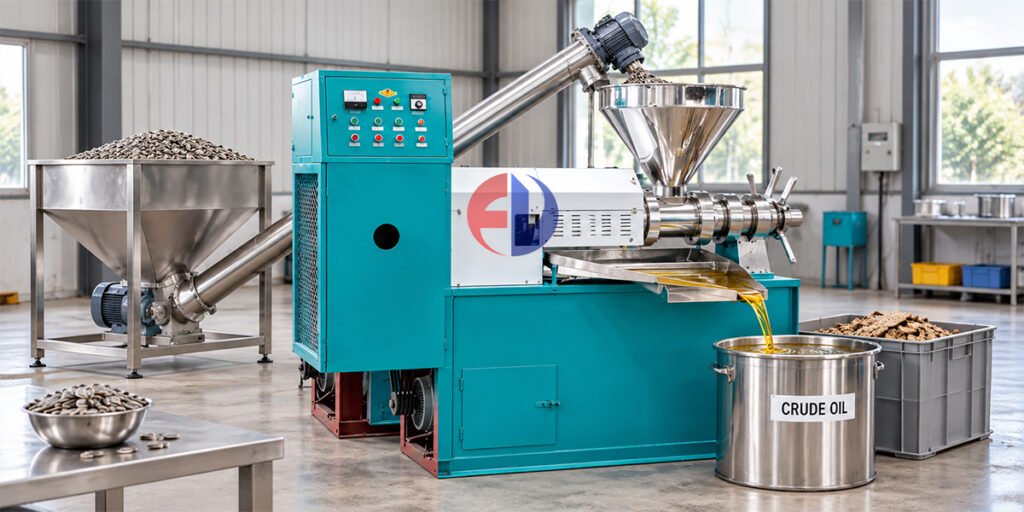
Tell us the oilseed name and its incoming condition. Shelled peanuts, unshelled peanuts, sunflower seeds, sesame, soybeans, and dried copra should not be treated as identical feedstocks.
The condition of the material affects preparation requirements. If your supplier delivers cleaned and prepared material, your equipment needs may differ from those of a mill buying raw agricultural products.
We recommend preparing these details:
| Question | Information to Provide |
|---|---|
| What is your main material? | The oilseed or oil-bearing material you plan to process |
| How does it arrive? | Whole, shelled, cleaned, dried, or otherwise prepared |
| Is the supply consistent? | Known differences between suppliers, seasons, or batches |
| Will you process other materials? | Each additional material and expected frequency |
| What information is available? | Supplier specifications, sample photos, or test results |
Your product plan helps determine the process around the press.
You may intend to sell crude oil to another processor, produce filtered oil for a defined market, or operate a line that includes refining and packaging. These plans can require different equipment and quality checks.
A press extracts oil, but it does not automatically complete every treatment your finished product requires.
We recommend identifying:
Oil press capacity should identify the amount of raw material processed during a stated period. It should not be confused with the quantity of oil produced.
Start with your planned daily raw material input and the usable time available for pressing.
A simple planning calculation is:
Required average feed rate = daily raw material input ÷ usable pressing hours
For example, processing 800 kg of prepared oilseed during eight usable pressing hours requires an average feed rate of 100 kg per hour.
This is a hypothetical planning example, not a model recommendation. The proposed machine still needs to be assessed for the actual material, preparation, and operating conditions.
Your working day may include preparation, startup, cleaning, material changes, and other interruptions.
If an eight-hour shift includes two hours of these activities, it does not provide eight hours of pressing. Use a realistic schedule when discussing equipment capacity.
For batch machines, include loading and unloading in the production calculation. The pressing interval alone does not describe the complete cycle.
Before comparing models, ask:
These questions help you compare machines using the same basis.
Choose the operating method that fits your material and production schedule. We recommend comparing the work required around each machine, not only its purchase price.
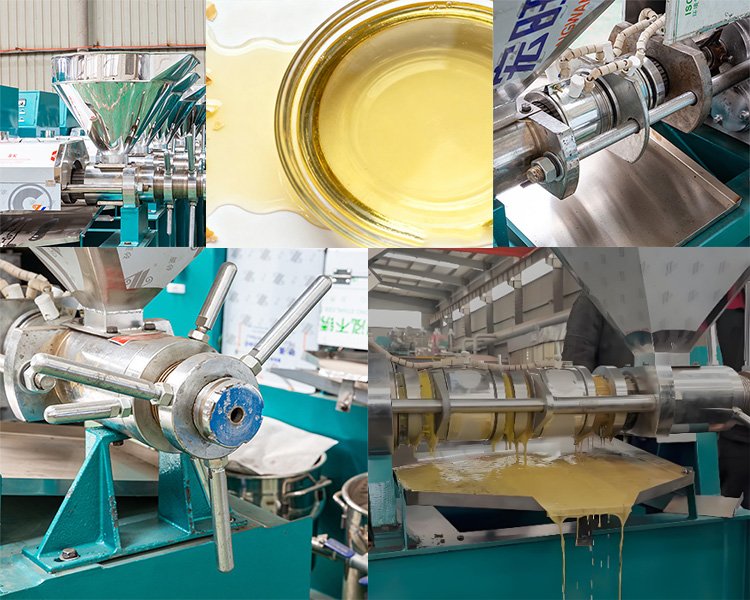
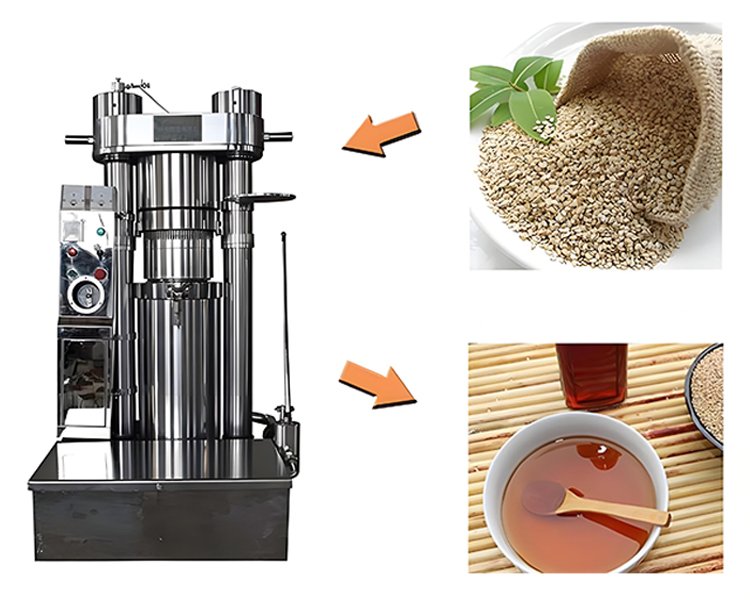
A screw press generally operates with continuous feeding and discharge. A hydraulic press generally processes material in batches.
| Selection Point | Screw Oil Press | Hydraulic Oil Press |
|---|---|---|
| Operating pattern | Generally continuous feeding and discharge | Generally batch operation |
| Capacity check | Feed processed during a defined running period | Load per batch and complete cycle time |
| Operator tasks | Feeding, monitoring, collection, and cake handling | Loading, pressing, unloading, and batch handling |
| Material assessment | Confirm preparation and machine configuration | Confirm suitability and preparation for each material |
| Temperature assessment | Consider preparation, friction heat, and temperature control | Consider preparation, heating arrangements, and measured temperatures |
| Production planning | Check sustained operation and supporting equipment | Check how many complete batches fit the working schedule |
A screw oil press is worth evaluating when continuous production fits your project and the proposed configuration is suitable for your material.
Check how prepared material reaches the machine, how oil is collected, and how cake is removed. These arrangements affect the work required during operation.
We also recommend checking access to the press components that need routine inspection or replacement. A suitable machine should fit the maintenance skills and support available to your business.
A hydraulic oil press may fit a project where batch operation suits the material and production plan.
Ask the supplier to explain the complete cycle. Compare the proposed daily output with the number of batches your team can realistically load, operate, unload, and prepare.
Neither machine type should automatically be treated as proof of cold-pressed production. The preparation method and actual operating temperatures also need to support the intended product claim.
The press should receive material in the condition specified for the selected process. Preparation may involve cleaning, shelling, crushing, drying, or conditioning, depending on the material.
We recommend confirming which steps are required before purchasing supporting equipment.
| Preparation Area | What to Discuss |
|---|---|
| Cleaning | Removal of stones, metal, dirt, and other unwanted material |
| Shelling or dehulling | Whether it is required for the selected raw material and process |
| Size preparation | Whether crushing or another preparation step is needed |
| Moisture | Suitable feed condition and how it will be checked |
| Heating or conditioning | Whether the planned process requires treatment before pressing |
| Feeding | How prepared material will be supplied consistently |
Do not apply one moisture or temperature setting to every oilseed. Operating guidance should correspond to the material, machine, and intended process.
If you already own preparation equipment, provide its specifications. The supplier should assess how its output and working schedule match the proposed press.
A larger press cannot solve a shortage of prepared feed. The capacities of the connected operations need to work together.
Include oil handling in the equipment discussion from the beginning. Your team needs a practical way to collect, transfer, filter where required, and store the oil.
We recommend showing these steps on a basic layout before deciding where to place the press.
Consider:
Filtration equipment should suit the expected oil flow and operating schedule. Its cleaning or servicing needs should be included in the production plan.
Ordinary mechanical filtration removes suspended particles within the equipment’s capability. It does not replace all the treatments that may be required for a particular finished oil specification.
If your product needs further processing, discuss the crude oil analysis and target requirements before selecting additional machinery. Our edible oil refining equipment provides a starting point for that discussion.
Keep pressing, filtration, and refining clearly separated in the quotation. This makes it easier to see what the proposed equipment includes and what remains outside its scope.
An affordable machine should be assessed as part of a usable production setup. The press price alone does not show the full amount needed to begin operating.
We recommend asking for an itemized quotation with included, optional, and buyer-supplied items identified.
| Cost Area | What to Confirm |
|---|---|
| Main press | Model, supplied components, and operating basis |
| Preparation | Required cleaning, shelling, conditioning, and feeding equipment |
| Oil handling | Collection, transfer, filtration, and storage |
| Electrical work | Supplied controls and locally arranged connections |
| Installation | Assembly, handling, local labor, and commissioning responsibilities |
| Spare parts | Included parts and recommended additional stock |
| Delivery | Packing, transport scope, destination, and exclusions |
| Support | Training, documentation, warranty terms, and service conditions |
If two quotations differ greatly, compare their scope before deciding which is less expensive. One may include supporting equipment or services that the other excludes.
Installed power is not the same as measured electricity consumption. Ask whether the stated power covers only the main motor or also includes heaters and accessories.
Your operating budget may include electricity, labor, maintenance parts, filter materials, and other consumables required by the selected process.
Use your own local costs when evaluating estimates. Raw material and selling prices also affect the business result, so a machine specification alone cannot establish a reliable profit or payback period.
Before ordering, provide the electrical voltage, frequency, phase, and available capacity at your site.
The equipment configuration should be checked against those conditions. Any site electrical work should be planned by qualified personnel using the documents for the ordered machine.
Share workshop dimensions and access information as well. The layout needs room for operation, raw material movement, oil and cake handling, and maintenance.
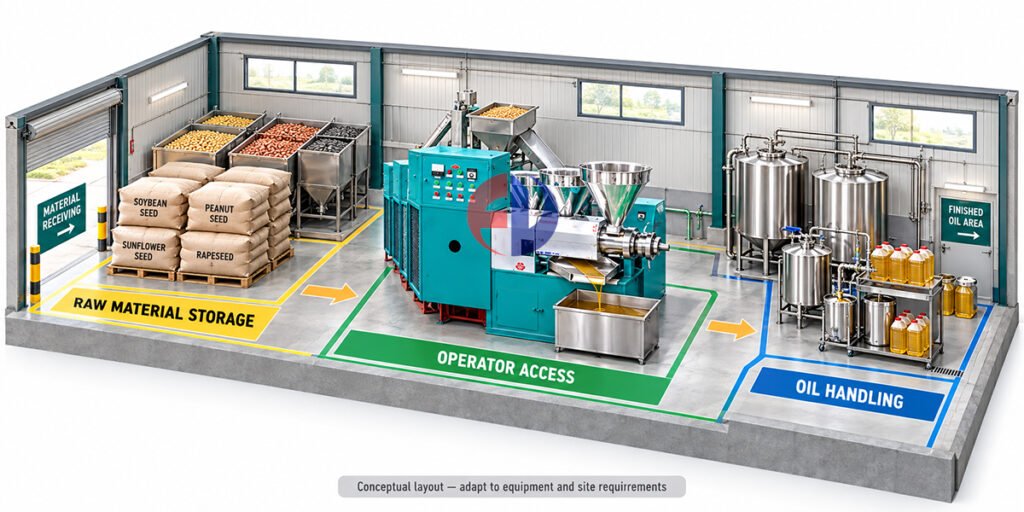
We recommend asking the supplier to identify the access required around the machine. Equipment that fits through a doorway may still need more room once it is being operated and serviced.
A description such as “automatic” does not mean that the complete oil mill runs without operator work.
Ask which tasks remain manual. Feeding, unloading, moving containers, checking the process, cleaning, and handling cake may still require regular attention.
Discuss the experience level of your operators and the training included in the offer. This helps you assess whether the proposed arrangement fits the people who will actually run it.
Choose equipment with a maintenance plan you can support. Ask which parts require inspection, what information identifies replacements, and which tasks need technical assistance.
We recommend requesting:
Do not assume that parts with similar appearances are interchangeable. The model, part reference, and configuration should be confirmed.
Avoid selecting a machine based on an unverified promise that it needs little or no maintenance. The practical question is whether your team can perform the required work and obtain the appropriate support.
A clear inquiry helps the supplier narrow the equipment discussion and identify missing information.
Complete the following checklist with the details you know. Mark uncertain items as “not yet confirmed.”
| Field | Information to Provide |
|---|---|
| Main material | Oilseed name and incoming condition |
| Additional materials | Other planned feedstocks and changeover frequency |
| Daily target | Raw material input with units |
| Operating schedule | Usable pressing hours and working days |
| Product plan | Crude, filtered, or refined oil and intended market |
| Existing equipment | Machines you plan to retain, with specifications |
| Power supply | Voltage, frequency, phase, and available capacity |
| Workshop | Dimensions, access, and project location |
| Supporting equipment | Preparation, filtration, storage, and other requirements |
| Services | Installation, training, documentation, and spare parts needs |
| Project timing | Intended purchase period and site readiness |
| Budget | Optional project range and items it must cover |
Photos of the material, workshop, and existing equipment can support the discussion. Product specifications or representative test results are also useful when available.
The best fit depends on your material, required feed capacity, working schedule, and product requirements. We recommend comparing suitable configurations under the same stated conditions instead of choosing from price or advertised output alone.
Some machines support several materials, but preparation, settings, and performance can differ. List each intended material and ask the supplier to confirm the requirements for that application.
Separate your startup needs from future plans. Ask how the proposed equipment will work at the initial production level and what expansion would require across preparation, pressing, filtration, storage, and utilities.
That depends on the condition of your incoming material and the product you intend to produce. Some projects already have suitable supporting equipment. Others need additional preparation and oil handling before they can operate. Confirm the required process before deciding the scope.
No single configuration fits every business. The need for refining depends on the crude oil and finished product requirements. Confirm those requirements rather than assuming filtration alone is sufficient or that a full refinery is always needed.
Compare material suitability, confirmed capacity, preparation needs, oil handling, power requirements, operator work, spare parts, service scope, and performance verification. These determine how the equipment fits your business.
A suitable oil press should fit your raw material, daily schedule, and intended product. Confirm the required preparation and oil handling before comparing complete quotations.
We recommend making the final decision from documented requirements and clear operating conditions. This helps you understand both the machine’s role and the work needed around it.
At Fude Machinery, we welcome inquiries that include your oilseed, daily processing target, destination country, and available power supply. You can review our oil processing equipment range and share your requirements through the website’s inquiry options.
Send us your material and production details so we can discuss a suitable configuration and clarify the equipment quotation scope.
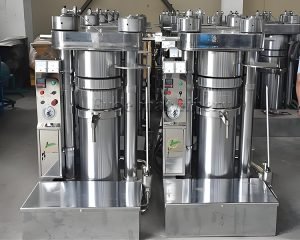
The pressing process of sesame oil is a complex and delicate process
View details
Camellia oil, from tea seeds (Camellia oleifera), is a healthy edible oil. It is popular for its high smoke point and health benefits. Investment is attractive due to growing consumer demand for premium, healthy oils. Camellia oil is sometimes cal...
View details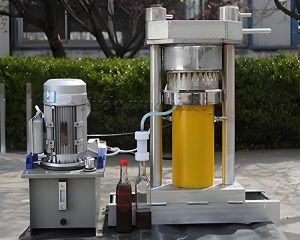
Hydraulic oil press is a device specifically designed for extracting various vegetable oils
View details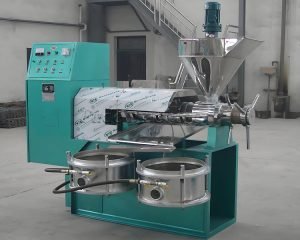
Cold pressing and hot pressing each have their own advantages and disadvantages, and you can choose according to your taste preferences and nutritional needs.
View details