 Oil Press Equipment and Oil Refining Machinery for Sale – Start Your Oil Press Business
SEARCH WHAT YOU WANT
Search allProductNews
SEARCH
As a business owner in the oil processing industry, your main goal is to get the most oil out of your raw materials. The machine you use is very important, but the seeds themselves play a huge role. Understanding the oil seed properties of your raw material is the first step to a profitable operation. It affects your oil yield, your equipment’s lifespan, and your final profit.
We are Fude Machinery, a B2B manufacturer of oil processing equipment. We don’t just sell machines; we provide the knowledge you need to succeed. This guide will explain the key characteristics of oil-bearing materials and how they directly impact your business.
The moisture content of your seeds is the most critical factor for successful oil extraction. Both too much moisture and too little moisture will cause serious problems for your business. Finding the right balance is essential for maximizing your oil yield and protecting your equipment.
If your seeds are too wet, the sunflower seed oil press will not work correctly. The high moisture will create a slippery paste inside the pressing chamber. The machine will not be able to build enough pressure to squeeze out the oil effectively. You will get a low yield of oil and a wet, unusable seed cake. On the other hand, if the seeds are too dry, they become very hard. The machine will use a lot of electricity to process them, and the friction can cause parts to wear out much faster. The ideal moisture content ensures the seeds are soft enough to press efficiently but not so wet that they lose pressure. This is why a pre-treatment machine like a roasting machine is a very smart investment.
You have full control over moisture content. A machine like our roasting machine is designed for this exact purpose. It allows you to heat the seeds gently to reduce moisture to the perfect level. This small step before pressing can increase your final oil yield by 5-10%. That is a huge increase in profit over time.
| Oil Seed | Optimal Moisture Content for Pressing | Your Business Advantage |
|---|---|---|
| Soybean | 7% – 9% | Prevents a ‘gummy’ press cake, improves oil flow. |
| Peanut (Groundnut) | 8% – 11% | Reduces wear on the screw, maximizes oil release. |
| Sunflower Seed | 7% – 10% | Ensures high yield and a firm, valuable seed cake. |
| Rapeseed/Canola | 6% – 8% | Creates the best conditions for maximum pressure. |
Practical Tip for You:
The Squeeze Test: A simple way to check moisture is to squeeze a handful of seeds. If they crumble into powder, they are too dry. If they clump together in a damp ball, they are too wet. You want them to break apart but still feel substantial. This is a good field test before using a moisture meter.
The oil content of your raw material is a direct measure of your potential revenue. It’s a simple equation: the more oil in the seeds, the more oil you can extract and sell. This characteristic is determined by the plant variety and the growing conditions. As a processor, you cannot change the oil content of the seeds you buy. But you can choose your supplier and seed variety wisely.
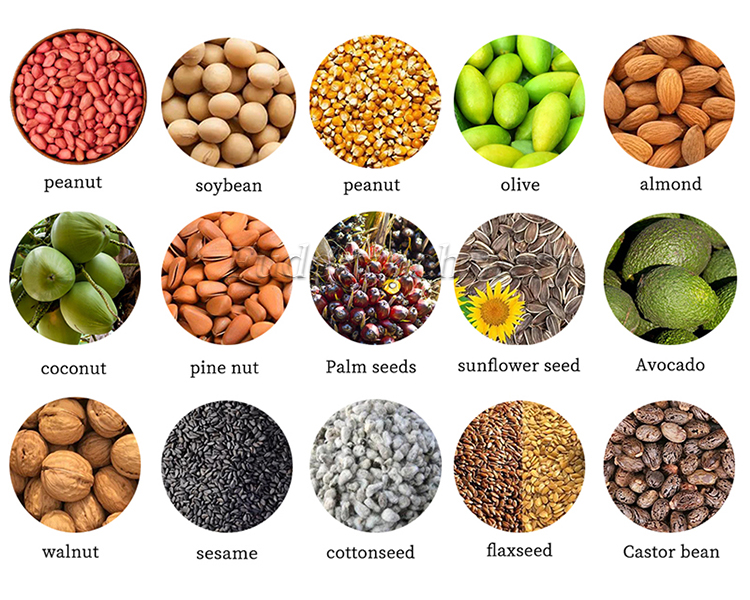
The screw oil press is suitable for most oilseeds, extracting high-quality vegetable oil.
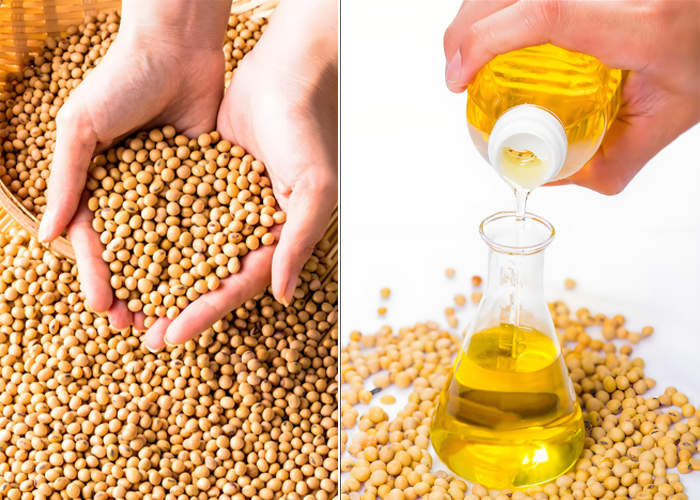
Soybean is widely used. It has lower oil content compared to other seeds. We usually pre-treat soybeans carefully. This prepares them for efficient oil extraction. Solvent extraction is common for soybeans. Pressing works too. But efficiency can be lower without good preparation.
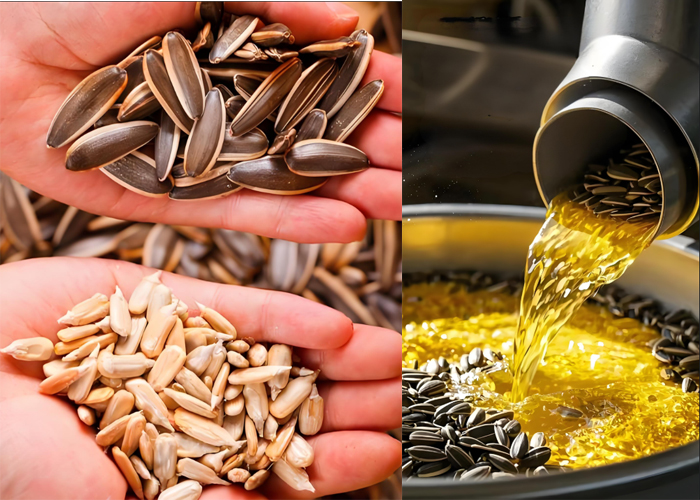
Sunflower seeds are popular. They have high oil content. We often remove the hull first. Dehulling improves oil quality and press efficiency. We then press the kernels. We sometimes press twice for more oil.
| Seed Type | Oil Content | Key Pre-treatment | Pressing Notes |
|---|---|---|---|
| Soybean | ~18-20% | Flaking, Cooking | Lower yield pressing |
| Sunflower | ~40-50% | Dehulling | High yield pressing |
| Rapeseed | ~40-45% | Cleaning, Moisture Ctrl | Sensitive pressing |
Working with peanuts or walnuts? Nuts need specific steps. Shelling is just the start.
Peanuts need shelling and flaking before pressing. Walnuts need shelling and possibly warming. Their hard structure requires breaking down first for oil release.
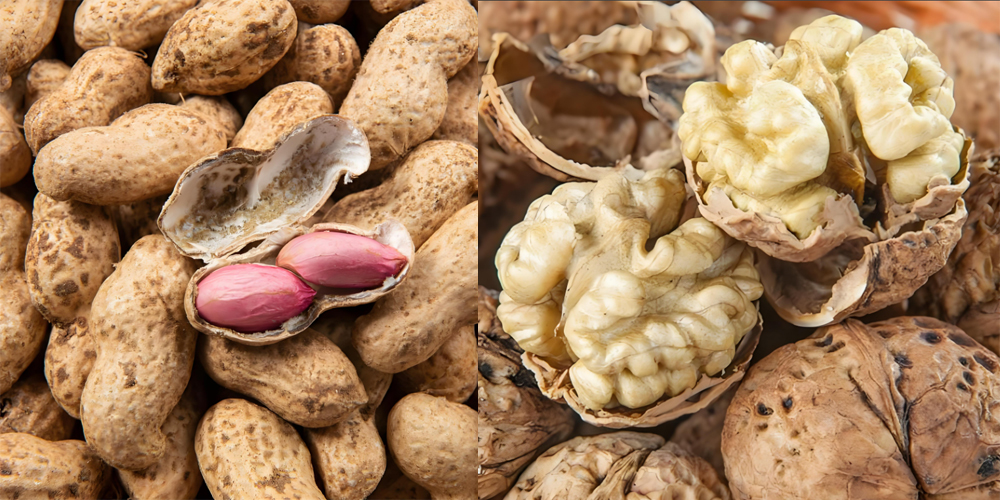
Peanuts are widely processed for oil. The first step is always shelling. We remove the hard outer shell. Then we flake the kernels. This increases the surface area. More surface area means more oil comes out during pressing. Peanuts press well after flaking.
Walnuts also have shells. We must crack and remove these shells. Walnut kernels can be pressed directly. Sometimes we gently warm them. Warming helps improve the oil flow. We use presses suitable for larger, flaked material.
Both need good shelling machines. Flaking machines are also important. These steps prepare the nuts. Proper preparation leads to higher oil yield. It also protects the press machines. The right pre-treatment equipment is essential.
Yes, the hardness of the seed is a very important factor when choosing your equipment. Different seeds require different amounts of force to extract the oil. A machine designed for soft seeds like peanuts may not be effective for very hard seeds like palm kernels.
Soft-shelled seeds like peanuts, soybeans, and sunflower seeds can be processed effectively by a standard single screw oil press. These machines are highly efficient and are the workhorses of the industry. However, for extremely hard seeds like palm kernels, castor beans, or tung seeds, you need a more robust, specialized press. These machines are built with stronger components and more powerful motors to handle the immense pressure required. For some very high-value, soft seeds like walnuts or almonds, a hydraulic oil press might be the best choice. It uses a slower, gentler pressure that is perfect for producing top-quality artisanal oils. Understanding this helps you set up an oil production plant with the right tools for the job.
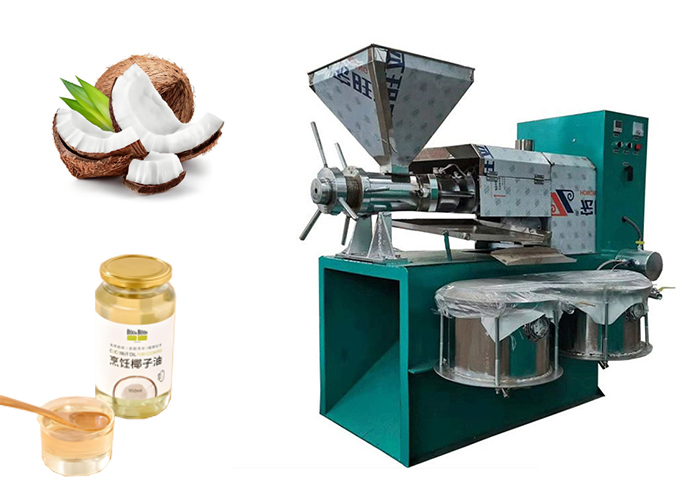
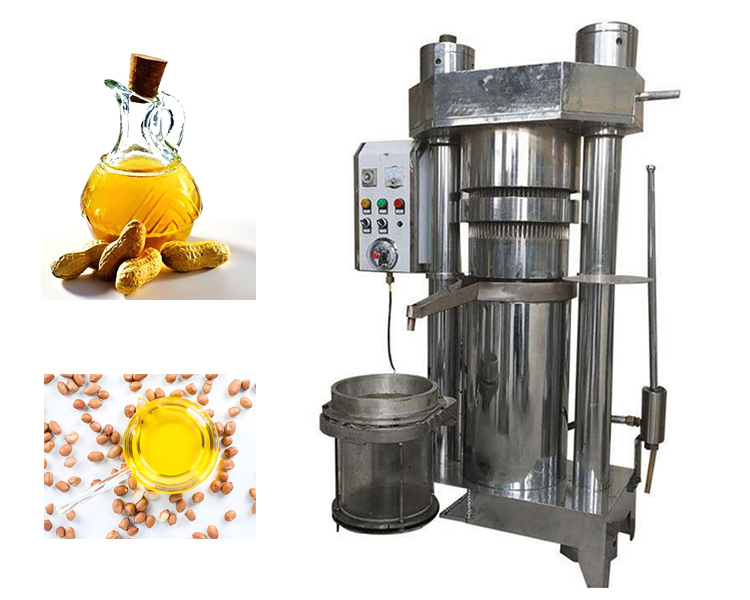
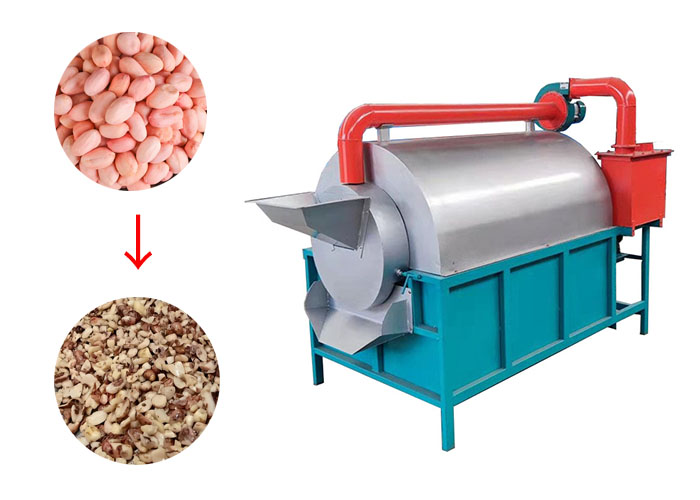
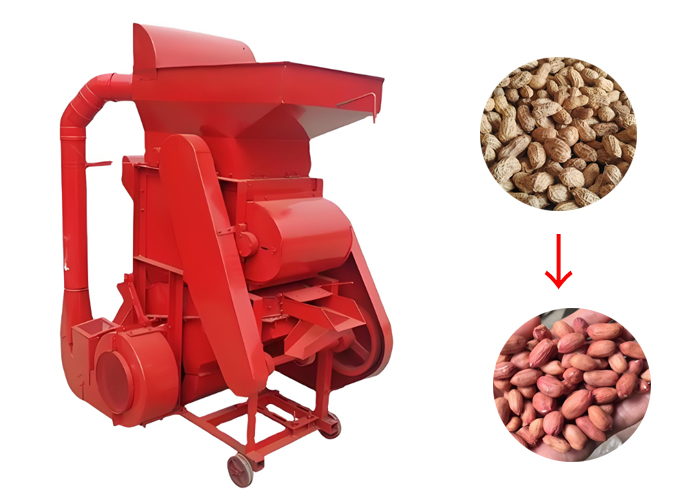
Supporting Equipment: Shelling machine, roasting machine, screening machine. These can be paired with an oil press according to material characteristics to better ensure the purity of oilseeds and oils, as well as high oil yield output.
To run a profitable oil processing business, you must look beyond just the price of your raw materials. The key oil seed properties—moisture content, oil content, impurities, and hardness—have a direct impact on your bottom line. By understanding and managing these factors, you can dramatically increase your oil yield, protect your equipment, and improve the quality of your products.
The solution is a combination of knowledge and the right equipment. Start by testing your raw materials. Then, invest in the proper pre-treatment machines (like cleaners and roasters) and choose an oil press that is designed for your specific seeds.
Fude Machinery. As an integrated manufacturer and distributor, we provide comprehensive, follow-up services to clients nationwide engaged in edible oil processing operations through our professional and meticulous approach.
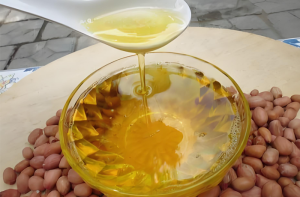
An oil press is a machine used to extract oil from oilseed crops. It uses mechanical external force to increase the temperature to activate oil molecules, thereby squeezing the oil out of the oil.
View details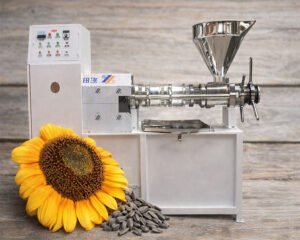
Are high energy bills eating into your profits? Do you struggle to maximize oil yield from every batch? Discover how one smart investment can change your entire operation. An energy-saving screw oil extractor instantly reduces costs by lowering...
View details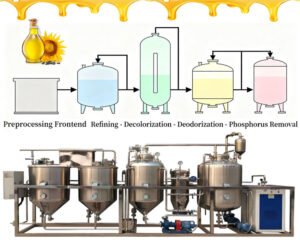
Sunflower seed oil holds a significant position in the global edible oil market due to its rich content of unsaturated fatty acids, vitamin E, and other nutrients, as well as its mild taste and high smoke point. Engaging in sunflower seed oil ref...
View details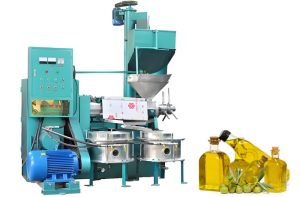
Oil press is a widely used pressing equipment with the following characteristics: simple structure, small volume, easy maintenance, diverse raw materials, high oil yield, continuous processing, short working time, and the ability to perform small...
View detailsThis website uses cookies to improve your browsing experience. By continuing to use this site, you accept the use of our cookies. Data collected from this website is processed and stored in the United States.