What is an oilseed?
Oilseeds are plant seeds primarily cultivated for their high oil content, which can be economically extracted for food or industrial use. Their byproduct, meal or cake, is also valuable.
Understanding oilseeds is the first step in the oil production journey. It helps you choose the right raw materials and the right processing equipment, like the machines we build at Zhengzhou Fude Machinery. Let’s explore what truly qualifies a seed for this category and look at the most important types you might encounter.

Analysis of raw materials for oil extraction
- The Commercial Definition
- The core idea is economic feasibility. An oilseed must contain enough oil so that the value of the extracted oil is greater than the cost of planting, harvesting, transporting, and processing the seed. If a seed only has 5% oil, the effort and energy needed to extract that small amount usually make it unprofitable for large-scale oil production. We consider seeds oilseeds when they offer a good return on the processing investment.
- Dual Value: Oil and Meal
- Another key factor is the value of the byproduct. After we press or extract the oil, the remaining solid material is called oil cake or meal. For most major oilseeds, this cake is rich in protein and serves as a valuable animal feed ingredient. Think of soybeans – their meal is arguably as important globally as their oil. This “oil and meal” combination significantly boosts the overall economic value of processing the seed.
Which oilseeds are suitable for oil presses

In the agriculture and food processing sector, oilseeds serve as a vital raw material source, with their processing into edible oils playing a critical role.
Understanding what constitutes oilseeds, the types of raw materials that can be processed by oil presses, along with their characteristics and oil extraction rates, is of great significance for optimizing oilseed processing technology and enhancing the quality of edible oils.
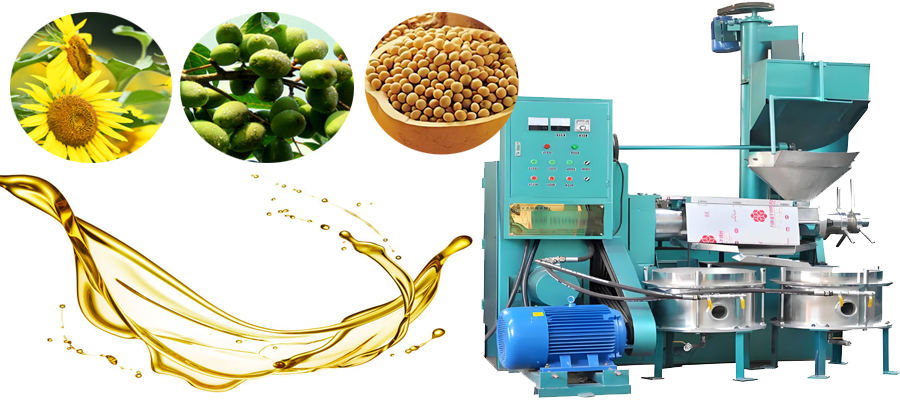
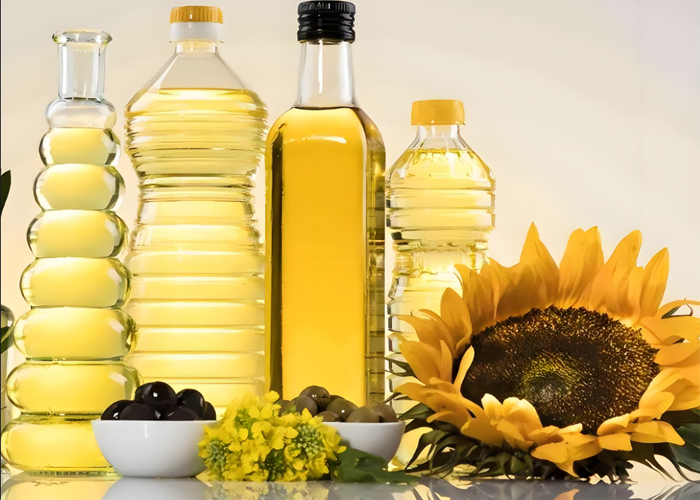
- Oilseeds are seeds or fruits that are rich in oil and are the main source of vegetable oil. There are a wide variety of common oilseeds, including soybean, rapeseed, cottonseed, peanut, sunflower seed, sesame seed, rice bran, oil tea seed, oleaginous seed, sapium seed, oil palm fruit, peppercorn seed, and corn germ. These oilseeds are widely cultivated all over the world, and the types and yields of oilseeds in different regions vary according to climate, soil and other natural conditions.
- Comparison of oil yield of oilseeds
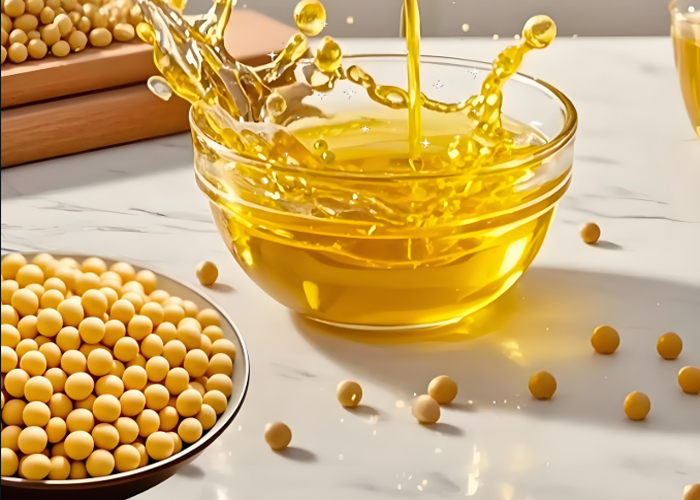
- Soybeans: Oil yield approximately 15%-20%. The extracted soybean oil is a common cooking oil.
- Peanuts: Oil yield approximately 40%-50%. Peanut oil has a rich aroma and is suitable for high-temperature cooking.
- Rapeseed: Oil yield approximately 35%-45%. Rapeseed oil contains unsaturated fatty acids and is suitable for stir-frying.
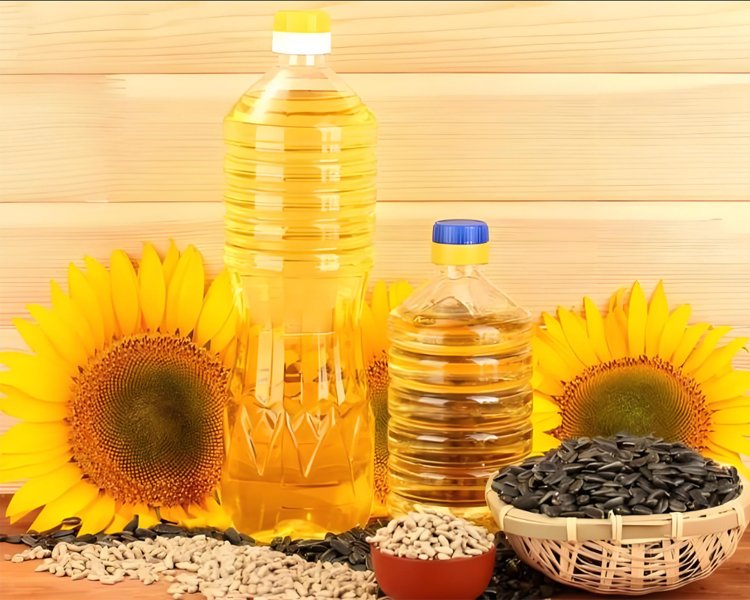
- Sunflower seeds: Oil yield approximately 30%-45%. Sunflower oil is rich in vitamin E and suitable for cold dressings.
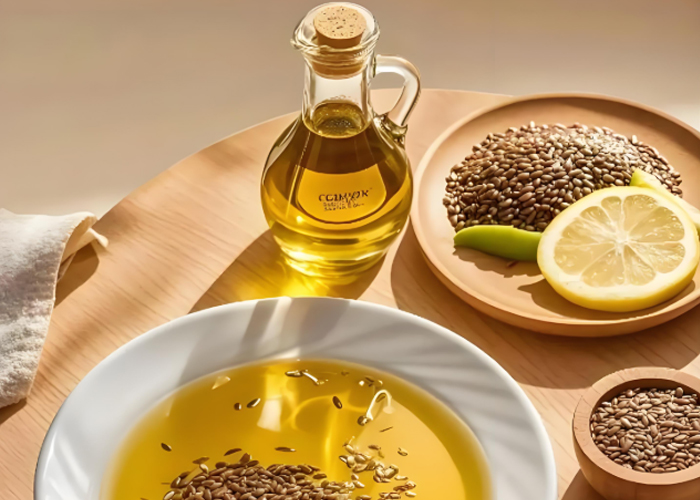
- Flaxseed: Oil yield approximately 30%-40%. Flaxseed oil is rich in omega-3 fatty acids and suitable for low-temperature consumption.
- Walnuts: Oil yield approximately 50%-65%. Walnut oil is nutrient-dense and suitable for infant and toddler complementary foods.
- Olives: Oil yield approximately 15%-25%. Olive oil is primarily composed of monounsaturated fatty acids and suitable for cold dishes.
- Coconut: Oil yield approximately 60%-70%. Coconut oil is high in saturated fatty acids and suitable for baking.
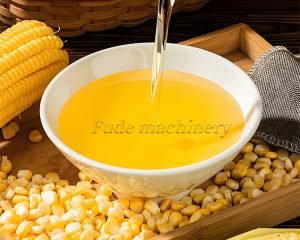
- Corn Germ: Oil yield approximately 25%-30%. Corn oil is suitable for high-temperature cooking.


Considerations for Selecting Raw Materials
- Oil content: Prioritize raw materials with high oil content (such as sesame seeds and walnuts) to enhance oil extraction efficiency.
- Raw material condition: Materials must be dry and free of impurities to prevent moisture-induced equipment clogging or oil quality degradation.
- Pre-processing: Some raw materials require crushing, steaming, or hulling (e.g., peanuts, rapeseed) to break down cell structures and enhance oil extraction rates.
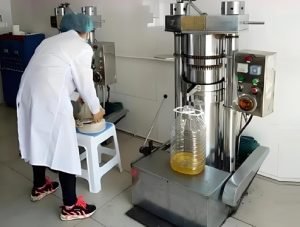
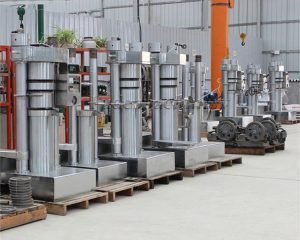
- Equipment Suitability: Household oil presses are suitable for small batches of soft raw materials (e.g., sesame seeds, walnuts); industrial oil presses can process hard or large-volume raw materials (e.g., soybeans, rapeseed).
Summary Recommendations
We are Fude Machinery, an experienced oil press manufacturer. The selection of raw materials for oil pressing must be tailored to the equipment type, material characteristics, and oil yield requirements.
Plant-based materials (especially oilseed crops) are most commonly used, while animal fats and specialty materials require specialized processing. Proper selection of raw materials and pre-treatment methods maximizes oil extraction efficiency and ensures oil quality.
Related recommendations
-
What is the production efficiency of hydraulic oil press and spiral oil press
583Hydraulic oil presses and screw oil presses each have their own characteristics in terms of production efficiency.
View details -
What does an oil press do?
771Oil press is a kind of equipment used to extract oil from oil crops, which can press olives, peanuts, palm, soybeans and many other oils.
View details -
How to Start a Palm Oil Processing Business: A Complete Guide
414Starting a palm oil processing business is a fantastic opportunity, especially in growing markets. You take a perishable agricultural product, Fresh Fruit Bunches (FFB), and turn it into valuable Crude Palm Oil (CPO), a globally traded ...
View details -
What are the factors that affect the price of oil presses in 2024
922The factors that affect the price of oil presses are multifaceted, and together they determine the market price of oil presses. The following are some main influencing factors: Oil presses can be divided into two types according to their w...
View details
Oil Press Equipment and Oil Refining Machinery for Sale – Start Your Oil Press Business