 Oil Press Equipment and Oil Refining Machinery for Sale – Start Your Oil Press Business
SEARCH WHAT YOU WANT
Search allProductNews
SEARCH
The edible oil produced from soybeans is light, clean, and flavorful. This makes it more popular and loved by many people. Soybean oil is composed of 60% polyunsaturated fat and 24% monounsaturated fat, which combine to form a heart healthy oil. Extracting oil from soybeans can be done through several methods, including commercial, chemical, using hexane, and cold pressing. Refined soybean oil will be the future development direction of the edible oil production industry. Therefore, investing in small or large soybean oil refining and processing plants is a profitable opportunity.
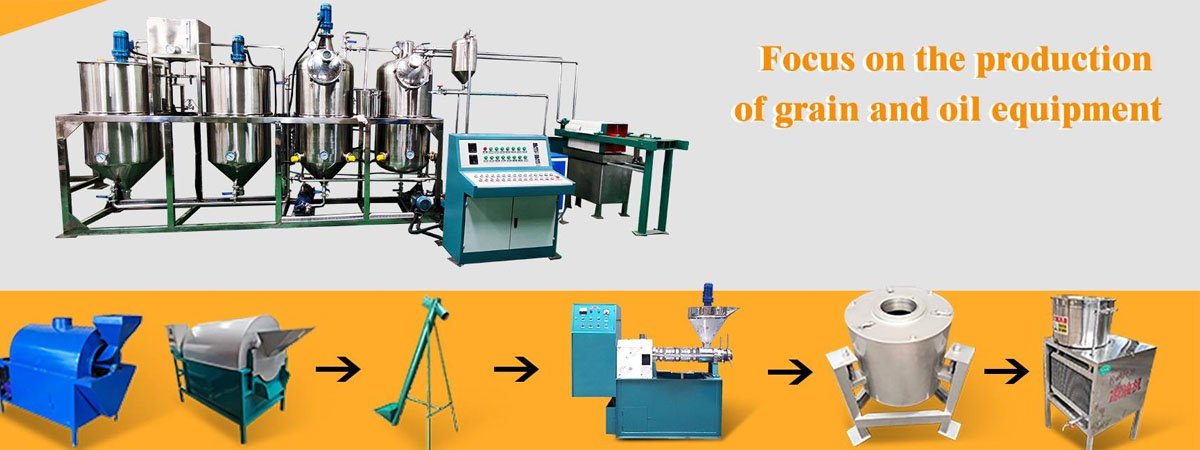
Our common edible oils are produced by large refined oil manufacturers through refining and extracting oil packaging. Therefore, if you want to commercialize your edible soybean oil, you need soybean oil refining equipment. Below is an introduction to the refining process of soybean oil processing plants. If you are interested in establishing your own soybean oil factory, please provide us with your email address so that we can contact you and send you more detailed business information to assist you.
In modern society, processing plants extract soybean oil through solvent liquid transfer, clean the soybeans, crush and peel them, and then adjust them into thin sheets before entering the extractor to remove the oil. The commercial or industrial soybean oil extraction system mainly consists of seed cleaning and crushing equipment, softeners, presses and refiners, as well as extruders and drums.
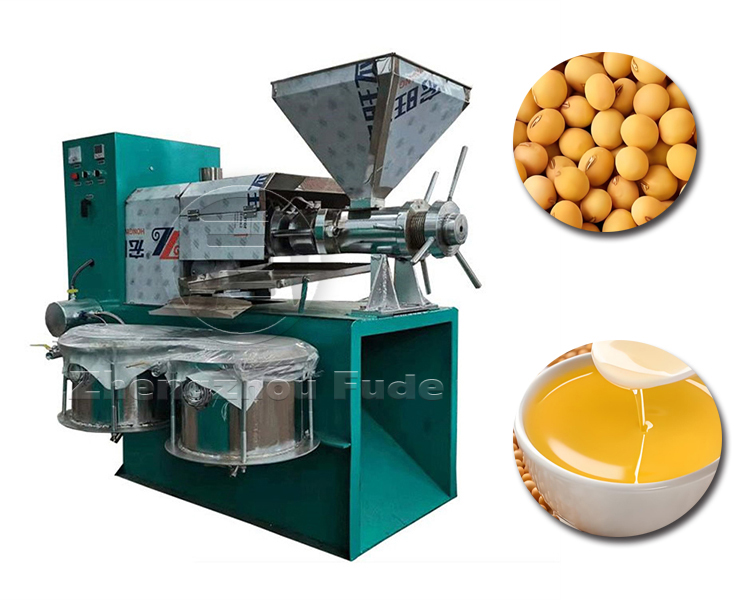
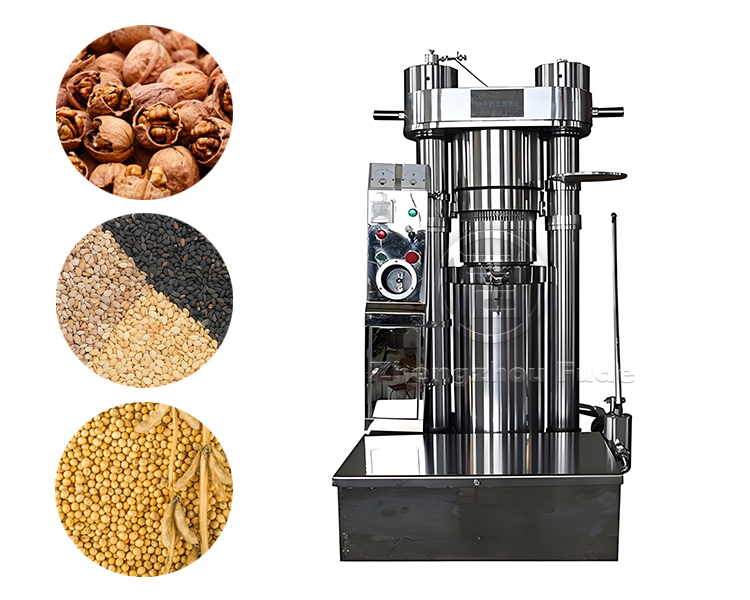
The quality of soybean oil is measured by free fatty acids. The general fat extraction process involves washing, crushing, softening, peeling, and pre pressing soybeans, which are the basic processes in today’s soybean oil processing plants.
Soybean refining equipment is a key device used to remove impurities from soybean crude oil and improve oil quality. It is widely used in the production of edible oil, industrial oil, and feed oil. According to different production processes and processing requirements, soybean refining equipment can be divided into three types: intermittent, semi continuous, and fully continuous, which are suitable for small, medium, and large refineries, respectively.
With the increasing requirements for environmental protection and energy conservation, soybean refining equipment is developing towards greater efficiency, energy conservation, and environmental protection. For example, the water free refining process reduces water consumption and wastewater discharge, lowering production costs. In addition, the application of automation and intelligent technology has also improved the production efficiency and product quality of equipment.
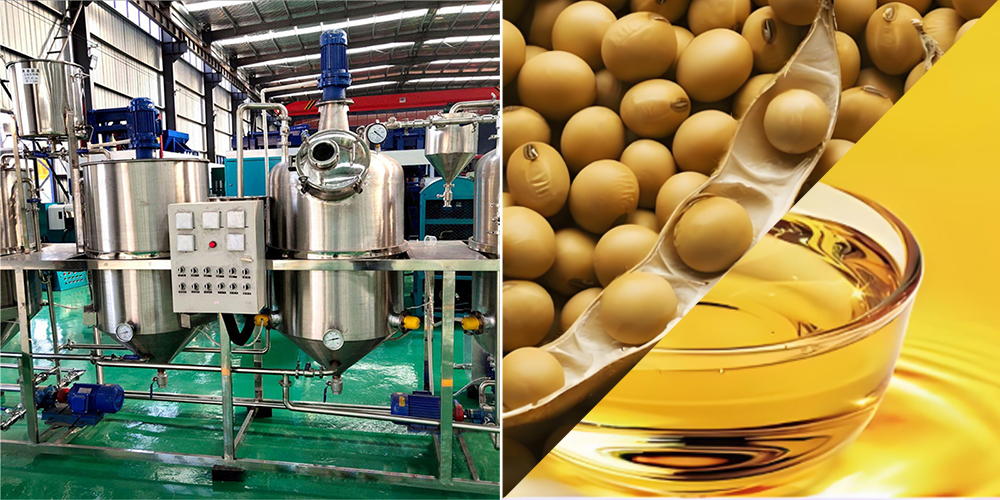
Soybean refining equipment is a key device for improving the quality and production efficiency of soybean oil. The continuous advancement of its technology and the wide application of its technology provide strong support for the deep processing of soybean oil and the development of high value-added products.
Some of the advantages of soybean oil is that it is high in nutrition, it has a light colour and it also does not bubble during frying.Therefore, many oil mills that are doing crude oil extraction can consider adding a small oil refining equipment. After that, it is also a good investment and innovation to transform into a small-scale oil refinery. If you want to learn more information about building a soybean oil extraction plant and high quality equipment required, please feel free to contact us!Zhengzhou Fude Machinery will select suitable refining equipment for customers based on their own needs.
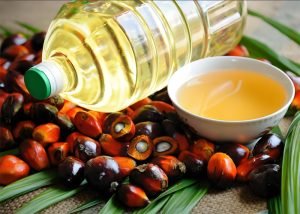
As one of the world's most widely consumed vegetable oils, palm oil's industrial chain spans multiple sectors including food processing, biofuels, and daily chemicals. Establishing an efficient and sustainable palm oil mill requires systematic pl...
View details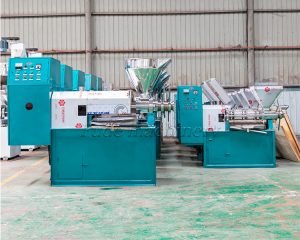
Spiral oil press has a wide range of applicability and can press various plant oils to meet the needs of different users
View details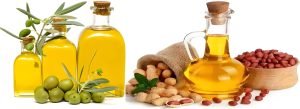
Understanding your raw materials is the first step toward efficient oil production. Let's explore what you can actually use. Wondering what you can actually press oil from? Uncertainty costs time and money. We list common and niche oil materia...
View details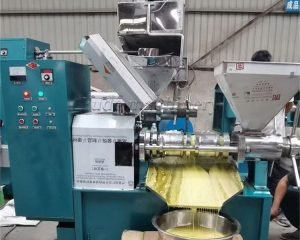
How is an oil press used to extract oil? Is there any profit from oil extraction? If you happen to have doubts about oil processing business, let's explore this topic together. So, how do oil presses work? An oil press is a machine that us...
View detailsThis website uses cookies to improve your browsing experience. By continuing to use this site, you accept the use of our cookies. Data collected from this website is processed and stored in the United States.