 Oil Press Equipment and Oil Refining Machinery for Sale – Start Your Oil Press Business
SEARCH WHAT YOU WANT
Search allProductNews
SEARCH
How is an oil press used to extract oil? Is there any profit from oil extraction? If you happen to have doubts about oil processing business, let’s explore this topic together.
So, how do oil presses work? An oil press is a machine that uses intense physical pressure to squeeze liquid oil out of oil-bearing seeds and nuts. It is the engine of your entire operation.
This machine is what turns raw materials like peanuts or sunflower seeds into valuable products. We are Fude Machinery, a B2B manufacturer of oil processing equipment. We build these machines every day. This guide will explain the working principle from a business owner’s point of view.
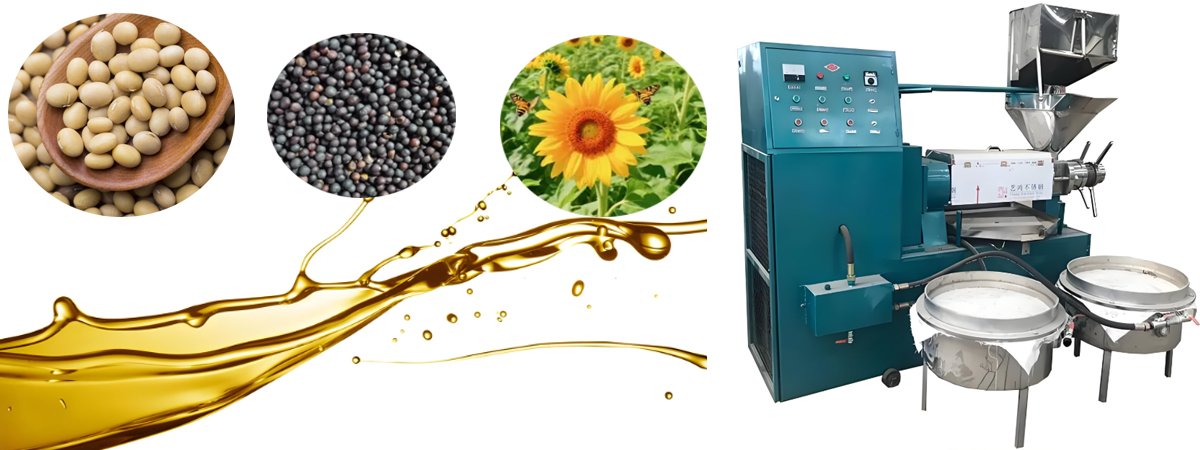
The basic principle of any oil press is simple: pressure separates oil from solids. Every oilseed, from the smallest sesame seed to the largest palm kernel, has its oil locked inside tiny cells. The job of the press is to apply enough force to rupture these cell walls. This allows the oil to escape.
Think about squeezing a wet sponge with your hand. As you apply pressure, the water is forced out. An oil press does the same thing, but with much, much more force. This intense pressure creates two things. First, it breaks the plant cells. Second, it generates friction and heat.
This heat is actually helpful. It makes the oil thinner and less viscous, so it flows out more easily. The liquid oil then escapes through small openings in the pressing chamber. The dry, solid material is left behind. This solid material is called oil cake. You have now successfully separated the raw material into two valuable products: crude oil and protein-rich cake. This fundamental process is how oil presses work to create value for your business.
A screw oil press is the most common type of machine for commercial oil production. It works continuously to produce a high volume of oil. This machine is the workhorse of the industry. It is designed to run for hours, consistently turning seeds into profit. We can break down its operation into three simple stages.
The process begins at the feeding hopper. This is a funnel-shaped container at the top of the machine. You pour your prepared oilseeds, like dehulled sunflower kernels or roasted peanuts, into this hopper. From the hopper, the seeds are fed into the main body of the press. Inside, a large rotating screw, also known as an auger or worm, begins to catch the seeds. The design of this screw is very important. It is built to grab the material and move it steadily forward into the next stage, which is the pressing chamber. This ensures a constant and even flow of material into the machine. A steady feed rate is critical for maintaining stable pressure and achieving a high oil yield.
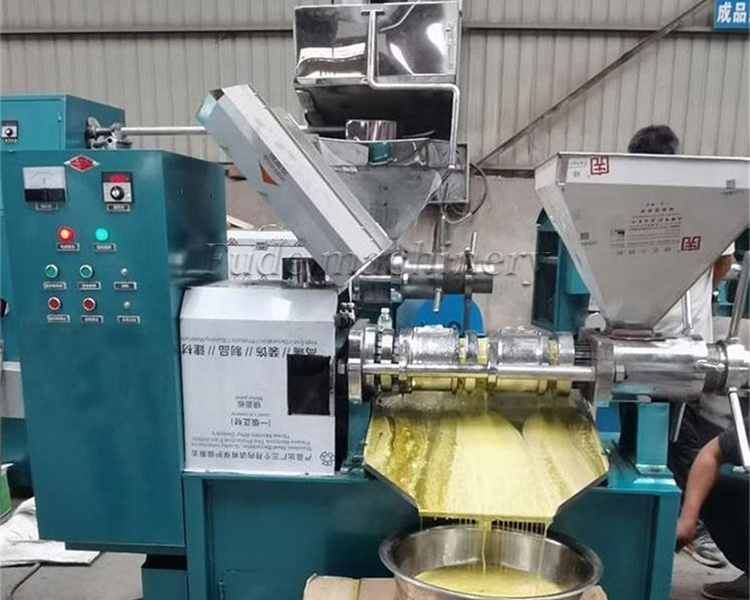
This is where the main work happens. The screw pushes the oilseeds into a part of the machine called the pressing chamber or press cage. This chamber is a strong, perforated steel cylinder. The key design feature is that the chamber gradually gets narrower. Also, the threads on the screw get progressively smaller. This design means that as the seeds are forced forward, the space they occupy becomes smaller and smaller. This continuous reduction in volume creates immense pressure and friction. The pressure becomes so intense that it ruptures the oil cells in the seeds. The liquid oil is then squeezed out. It escapes through the small perforations or slots in the press cage and is collected in a tray below.
As the screw continues to turn, it pushes the now de-oiled, solid material to the very end of the pressing chamber. This dry material forms into a compressed, flakey substance. This is the valuable oil cake. At the end of the press, there is a cone-shaped outlet. This cone can be adjusted. Moving it in or out changes the size of the opening. This allows you to control the back-pressure inside the chamber. Adjusting this cone is how you fine-tune the machine for different types of seeds to get the maximum oil extraction rate. The finished oil cake is pushed out of this opening and is collected separately. Your machine has now completed its job, turning one input into two valuable outputs.
For a real-world example of this machine in action, you can learn how to process sunflower seed oil in our detailed guide.
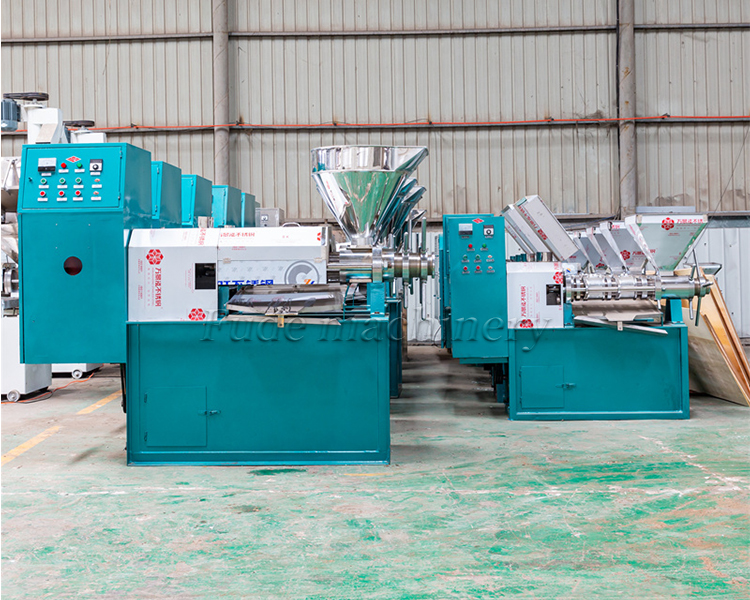
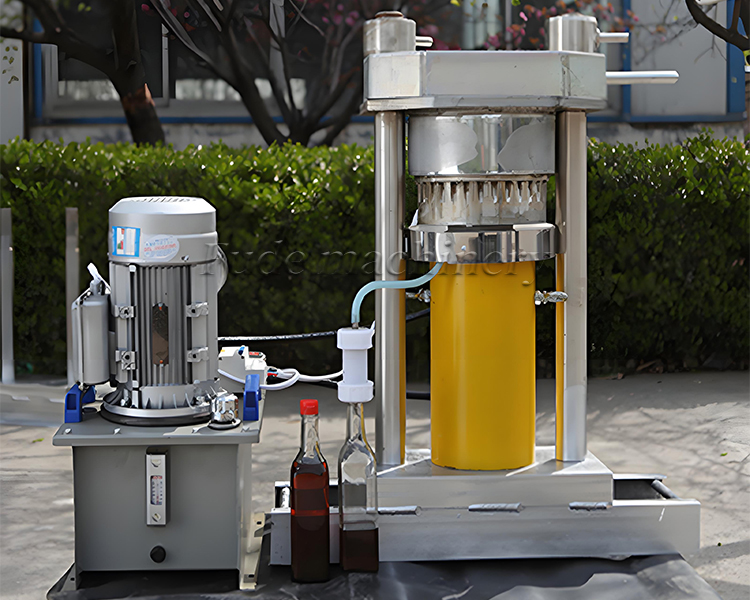
A hydraulic oil press works in batches and uses a different type of force. It uses fluid pressure to slowly and powerfully squeeze the oil out. This method is older than the screw press. It is chosen for specific high-value oils where quality is more important than speed.
Instead of a screw, a hydraulic press has a large, flat piston inside a strong cylinder. You first load a batch of prepared seeds, often wrapped in special filter cloths, into the cylinder. Then, the machine is turned on. A pump pushes hydraulic fluid into a system that drives the piston upwards. The piston rises slowly but with incredible force. It presses the seeds against the top of the cylinder. This direct, vertical pressure squeezes the oil out. The oil runs down the sides and is collected.
Because this process is slower and generates very little heat from friction, it is perfect for “cold pressing.” This preserves the delicate flavors and nutrients of the oil. It is the preferred method for seeds like sesame, walnut, and olive. After the oil is extracted, the pressure is released, the piston lowers, and the flattened oil cake is removed manually. A new batch is then loaded.
| Working Principle | Screw Oil Press | Hydraulic Oil Press | What This Means for Your Business |
|---|---|---|---|
| Operation Type | Continuous | Batch-based | A screw press is for long, uninterrupted production runs. |
| Pressure Source | Rotating Screw (Friction) | Piston (Hydraulic Fluid) | The screw press is a dynamic process; the hydraulic press is a static process. |
| Heat Generation | Moderate (from friction) | Very Low | A hydraulic press is ideal for true cold pressing to get premium oil. |
| Best For | High Volume (Soy, Peanut) | High Quality (Sesame, Walnut) | Your choice depends entirely on your product and market strategy. |
Understanding how oil presses work is not just a technical detail. It directly impacts your business’s profitability, product quality, and operational efficiency. The choice between a screw press and a hydraulic press is a strategic business decision.
If your business plan is to produce large quantities of standard cooking oil for the mass market, the continuous and efficient operation of a screw oil press is the clear choice. Its high speed and automation mean lower labor costs per ton of oil produced. This allows you to compete on price and volume. If you want to start a peanut oil production line, the screw press is the industry standard for getting high yield. However, if you plan to create a premium, artisanal brand, the gentle, low-temperature process of a hydraulic press will give you a superior product. You will produce less oil per day, but you can sell each bottle for a much higher price. The working principle of the machine you choose will define your place in the market.
So, how do oil presses work? They work by using carefully applied pressure to separate liquid oil from solid seed matter. The two main types of machines use different methods to create this pressure. The screw oil press uses a continuous, rotating screw. This is ideal for high-volume, efficient production. The hydraulic oil press uses a slow, powerful piston in a batch process. This is perfect for producing high-quality, specialty oils.
The right machine for you depends on your business goals. For most commercial ventures focused on common oils like sunflower, soybean, or peanut oil, the screw press is the most logical and profitable choice. It is the engine that will power the growth of your business.
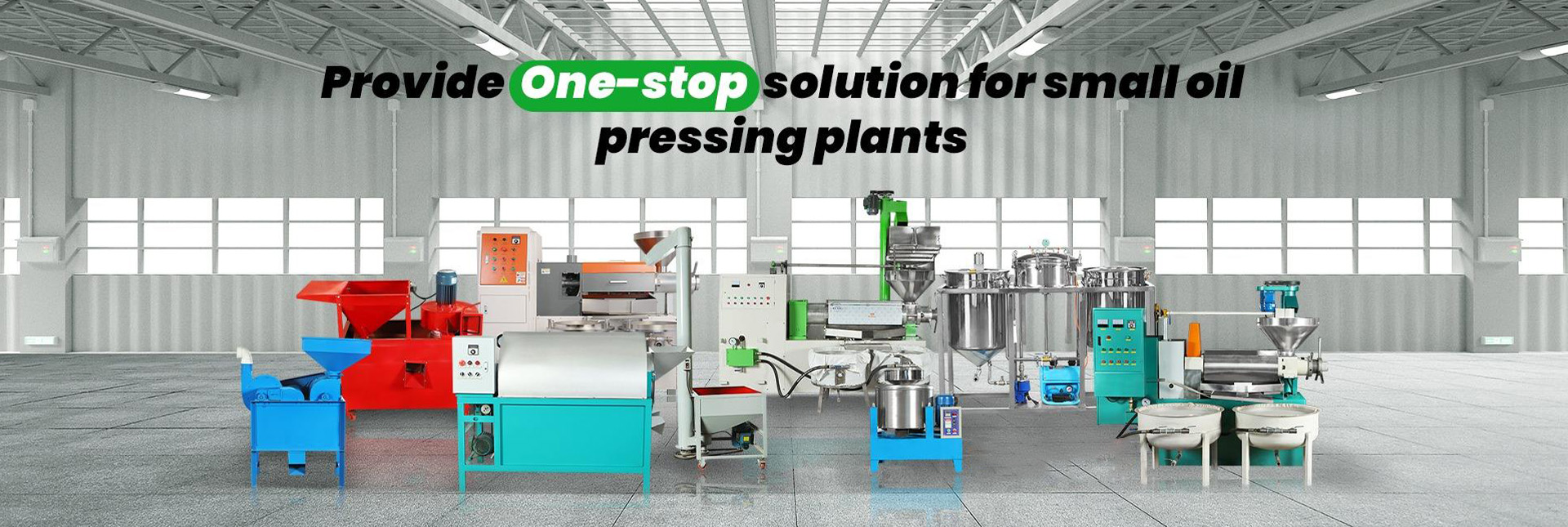
We are Fude Machinery, a professional B2B manufacturer of oil processing equipment based in Zhengzhou, China. We specialize in the research, development, and production of a wide range of oil presses and complete oil mill plants. As a factory-direct company, we eliminate the middleman to provide you with robust, high-performance machinery at competitive prices. Our equipment is trusted by businesses in more than countries around the world.
Are you ready to find the perfect oil press for your business?
Contact our expert team at Fude Machinery today. We are here to provide a professional consultation and help you select the machine that will work best for you.

A hydraulic oil press is a device that utilizes a hydraulic system to provide static pressure for squeezing oil-bearing crops to extract oil. Its core working principle is to squeeze the oil out of the oil-bearing crops through the high pressure ...
View details
As a commonly used oil extraction equipment, hydraulic oil press has its unique advantages and disadvantages. Let me introduce it to you ,
View details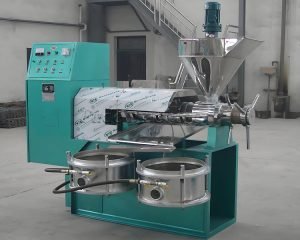
Cold pressing and hot pressing each have their own advantages and disadvantages, and you can choose according to your taste preferences and nutritional needs.
View details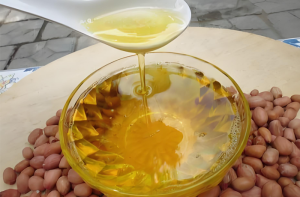
Hot pressing and cold pressing both refer to the process used for oil extraction. Hot pressing refers to the need to raise the temperature during the oil pressing process, while cold pressing refers to maintaining a lower temperature during the oi...
View detailsThis website uses cookies to improve your browsing experience. By continuing to use this site, you accept the use of our cookies. Data collected from this website is processed and stored in the United States.