 Oil Press Equipment and Oil Refining Machinery for Sale – Start Your Oil Press Business
SEARCH WHAT YOU WANT
Search allProductNews
SEARCH
Do you want to start or upgrade an edible oil factory? You need to know the right types of refining equipment. I am Fude Machinery. My company manufactures high-quality oil processing equipment. I will guide you through the different machines. You will understand which system fits your production goals perfectly.
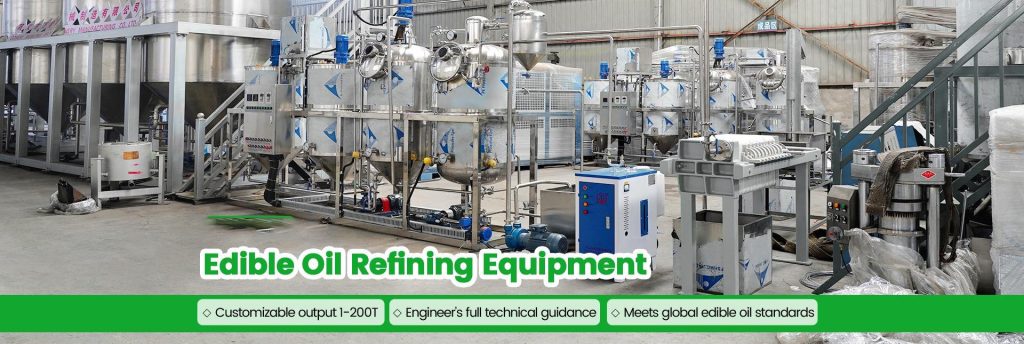
Refiners are critical pieces of equipment used to enhance material purity and remove impurities. They are widely used in rubber recycling, oil and fat processing, precious metal refining, textile and synthetic fiber production, and chocolate manufacturing. Their core function is to optimize material quality through physical or chemical methods, meeting the demands of various industries for high efficiency, energy conservation, environmental sustainability, and intelligent operation.
Batch refining equipment processes oil in distinct cycles or batches. You load crude oil into tanks, process it completely, and discharge it. This setup is ideal for small capacities. It handles 1 to 30 tons per day efficiently.
You operate this equipment step by step. First, you pump crude oil into the neutralization tank. You add chemicals to remove impurities. You heat the oil and stir it. Then, you move the oil to the decolorization tank. You add bleaching earth to remove colors. Finally, you pump the oil to the deodorization tank.
You use high heat and a vacuum to remove bad smells. This method gives you great flexibility. You can refine different types of oils on different days. You can process peanut oil on Monday. You can process soybean oil on Tuesday. You only need to clean the tanks between batches. Small farms and individual workshops use these machines. They require a lower initial investment. You get reliable performance without complex automation. This makes it a great entry point into the business.
| Feature Comparison | Batch Refining Equipment | Continuous Refining Equipment | Your Practical Benefit |
|---|---|---|---|
| Daily Capacity | 1 – 30 Tons | > 30 Tons | Choose based on your target market size. |
| Operation Mode | Cycle-based, step-by-step | 24/7 non-stop | Batch offers flexibility; Continuous offers volume. |
| Initial Investment | Lower | Higher | Batch is budget-friendly for startups. |
Practical tips and advice for you:
Continuous refining equipment operates non-stop for 24 hours a day. You feed crude oil into the system continuously. The refined oil flows out continuously. This system handles large volumes over 30 tons per day.
This system uses advanced machines for continuous flow. You do not use simple settling tanks. You use high-speed centrifuges to separate impurities. The centrifuges spin the oil very fast. They separate heavy gums and water from the light oil instantly. The oil then flows into a continuous bleaching tower.
This tower mixes oil and bleaching earth automatically. The mixture passes through pressure leaf filters without stopping. The clean oil then enters the continuous deodorization tower. This tower strips away odors rapidly under a deep vacuum. This entire process requires very little human intervention. You rely on automated sensors and valves. Large edible oil factories use this oil processing equipment. It lowers your processing cost per ton. It guarantees consistent product quality.
The core continuous units define the efficiency of your plant. Centrifuges replace the slow gravity settling process. They are the heart of continuous degumming and neutralization. Continuous bleaching towers maintain a constant vacuum and temperature. This environment ensures optimal color removal.
The continuous deodorization column is another vital unit. It handles high flow rates. It uses structured packing to maximize the contact between oil and steam. This design reduces steam consumption. It also minimizes oil loss. I build these units with high-grade stainless steel. They withstand continuous, rigorous operation. They ensure long-term stability for your factory.
Neutralization and degumming tanks are primary pre-treatment vessels. You use them to remove gums and free fatty acids from crude oil. These tanks prepare the oil for further purification.
You must remove gums and acids to produce stable edible oil. Gums make the oil cloudy. Acids make the oil spoil quickly. In a batch system, you do both processes in the same tank. You add hot water or acid to hydrate the gums. The gums become heavy and settle at the bottom. You drain them out. Then, you add an alkaline solution. This solution neutralizes the free fatty acids. It creates soap stock. The soap stock settles, and you remove it.
I equip these tanks with precise heating coils. I also install powerful agitators. These components ensure the chemicals mix perfectly with the oil. Proper mixing guarantees maximum impurity removal. Your refined oil becomes clear and stable. You prepare it perfectly for the next bleaching step.
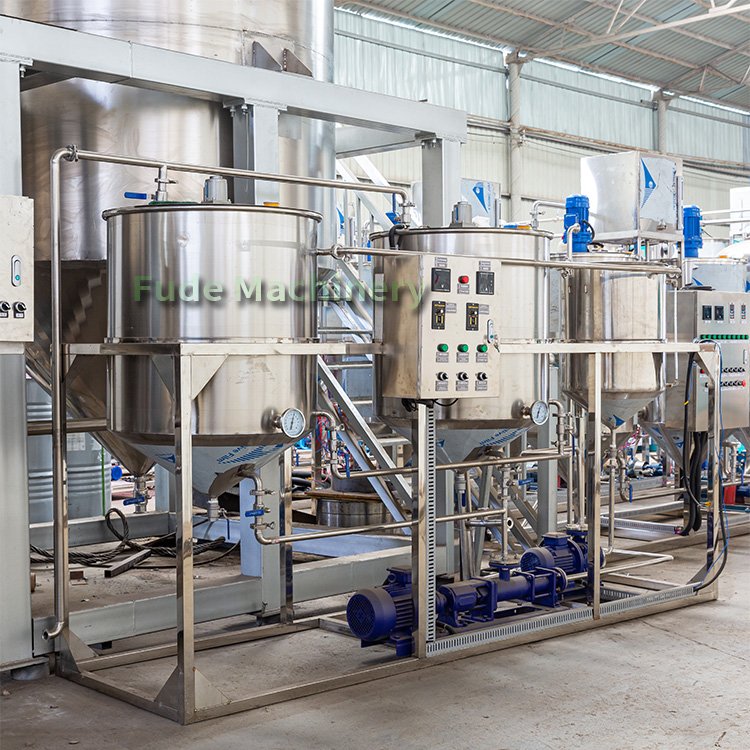
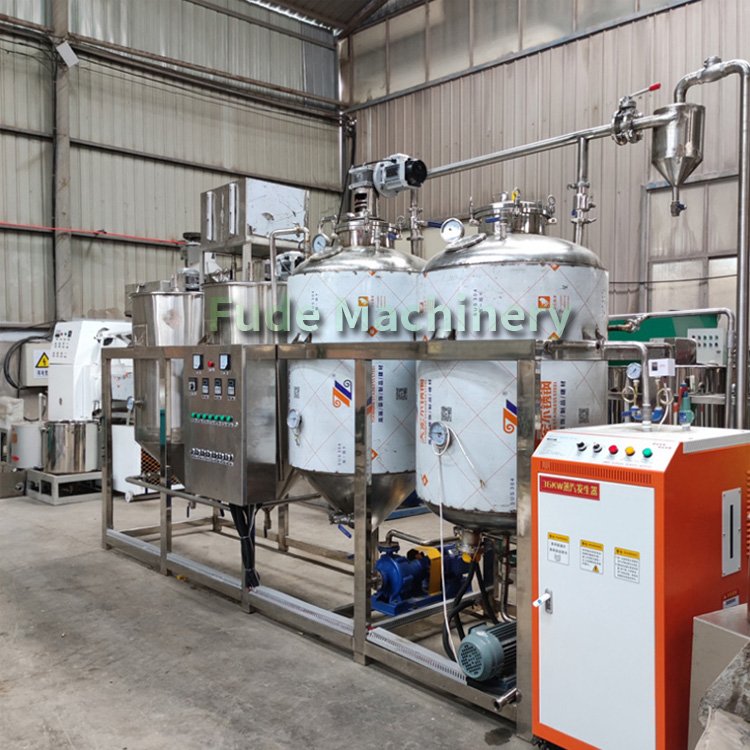
Agitators are mechanical mixers inside the tanks. They play a crucial role in your refining process. They create a strong flow within the oil. This flow forces the water, chemicals, and oil to blend thoroughly. Good blending accelerates the chemical reactions. It ensures the acid or alkali reaches every part of the oil. I design agitators with specific blade shapes. These shapes provide the right amount of shear force. They do not damage the oil molecules. They prevent heavy impurities from settling too early. This continuous movement keeps the temperature uniform throughout the tank. It prevents localized overheating. Your refining process becomes much more efficient.
Practical tips and advice for you:
Actual Case: A client faced high oil loss during neutralization. I upgraded their tanks with my custom-designed agitators. The improved mixing reduced their chemical usage by 15%. It also decreased their oil loss in the soap stock.
The deodorization tower removes volatile compounds that cause bad odors. You must use this tower to produce neutral, palatable edible oil. It operates under high temperature and deep vacuum.
Crude oil often smells like the raw plant material. Sometimes it develops off-odors during storage. You cannot sell oil with these smells to food consumers. The deodorization tower solves this problem completely. You heat the oil to high temperatures inside this tower. The temperature usually reaches 220 to 260 degrees Celsius. You also apply a very strong vacuum. The vacuum lowers the boiling point of the odor-causing compounds. You inject live steam into the bottom of the tower. The steam bubbles rise through the hot oil. They strip away the bad odors and free fatty acids. The vacuum system sucks these vapors out of the tower. Your oil becomes completely odorless and bland in taste.
The vacuum quality directly dictates your deodorization success. A deep vacuum is absolutely necessary. It allows you to use lower heating temperatures. Lower temperatures protect your oil from thermal degradation. They preserve valuable nutrients like Vitamin E. A poor vacuum forces you to use higher temperatures. This can darken the oil and create trans fats. I supply high-performance vacuum systems with my towers.
These systems use multi-stage steam ejectors or advanced vacuum pumps. They maintain a stable, deep vacuum throughout the process. This stability guarantees a consistent, premium final product. It makes your edible oil refining machine setup highly competitive.
Practical tips and advice for you:
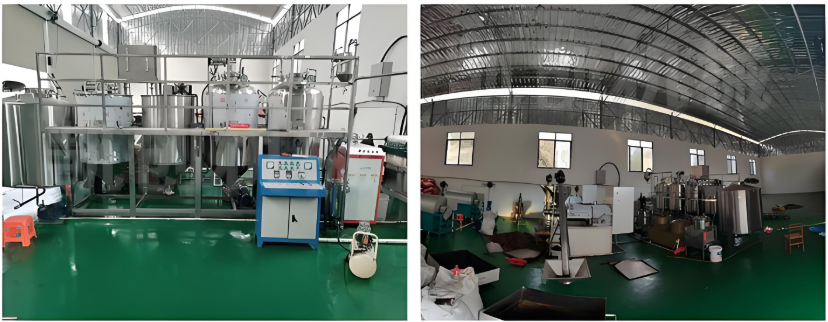
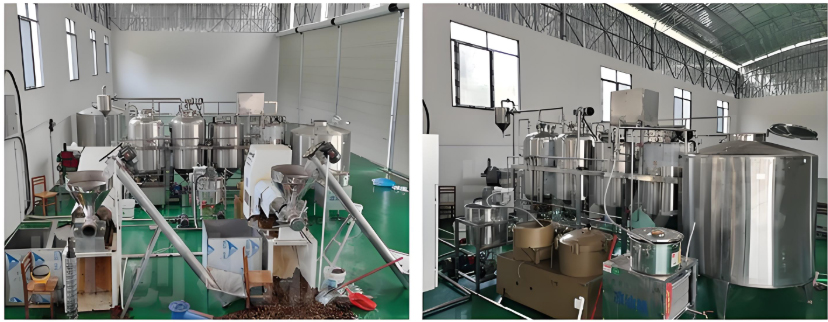
The edible oil industry constantly innovates to improve efficiency and safety. New technologies emerge to meet strict environmental standards. You need to know these trends to keep your factory competitive.
In 2026, smart automation and energy recovery dominate the equipment design.
Latest Progress One-Shot:
The market demands high-quality, healthy oils. Consumers prefer oils processed at lower temperatures. refining equipment helps you meet these demands. You can produce premium oils while lowering your carbon footprint.
Question 1: What are the common types of refining equipment for small businesses?
Batch refining equipment is the most common type for small businesses. It processes oil in separate cycles. It is cost-effective and easy to operate. You can process 1 to 30 tons per day with this setup.
Question 2: How do I choose between batch and continuous equipment?
You choose based on your daily capacity. Choose batch equipment if you process less than 30 tons per day. Choose continuous equipment if you process more than 30 tons per day. Continuous systems offer higher automation.
Question 3: What does a deodorization tower do?
A deodorization tower removes bad odors and flavors from the oil. It uses high temperatures and a deep vacuum. This process makes the oil neutral in taste and safe for consumption.
Question 4: Can I upgrade my batch system later?
Yes, you can upgrade your batch system. We are upgrading our modular equipment. You can add continuous decolorization or deodorization units later. This helps you expand your production capacity gradually.
You have learned about the essential types of refining equipment. Batch systems offer low-cost entry and flexibility for small operations. Continuous systems provide automation and high efficiency for large factories. Core units like neutralization tanks and deodorization towers define your final oil quality. You must match the equipment type to your specific capacity needs.
I recommend you evaluate your daily processing volume first. Start with a batch system if you are a new business. Upgrade to continuous modules as your market grows. Contact me to design a custom production line for your factory.
About Fude Machinery
I am Zhengzhou Fude Machinery. I am a professional oil processing equipment manufacturer in China. I specialize in B2B oil extraction and refining solutions. We own advanced manufacturing facilities in Zhengzhou. We enforce strict quality control at every stage. We provide one-stop services from design to installation globally.
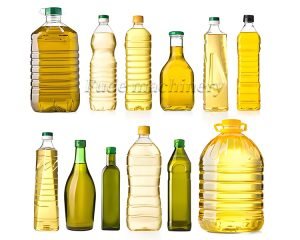
Starting a vegetable oil business involves understanding the market, choosing the right raw materials and equipment like (oil press machine), planning your production scale, considering refining needs, estimating costs, and finding reliable suppl...
View details
Spiral oil press is a common oil pressing equipment widely used in industries such as food, chemical, and pharmaceutical. The following is a detailed introduction to the spiral oil press: The working principle is to continuously push the material ...
View details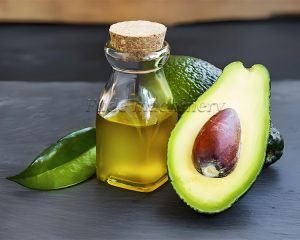
Got crude avocado oil but it's not quite right? Wondering if refining is necessary and what it involves? Let's explore why and how avocado oil is refined for quality and stability.Refining removes impurities like free fatty acids, gums, pigments, ...
View details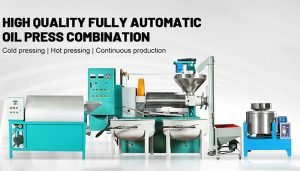
The oil press produced by Zhengzhou Fude Machinery is an efficient, energy-saving, and easy to operate oil processing equipment with broad application prospects in the oil processing industry.
View details