 Oil Press Equipment and Oil Refining Machinery for Sale – Start Your Oil Press Business
SEARCH WHAT YOU WANT
Search allProductNews
SEARCH
Are you facing frequent machine breakdowns in your oil mill? You need effective oil press maintenance tips right now. I am Fude Machinery. My company manufactures high-quality oil extraction equipment. Regular care prevents costly downtime. It keeps your daily production running smoothly. I will show you seven practical techniques today. You can easily extend the service life of your machines.
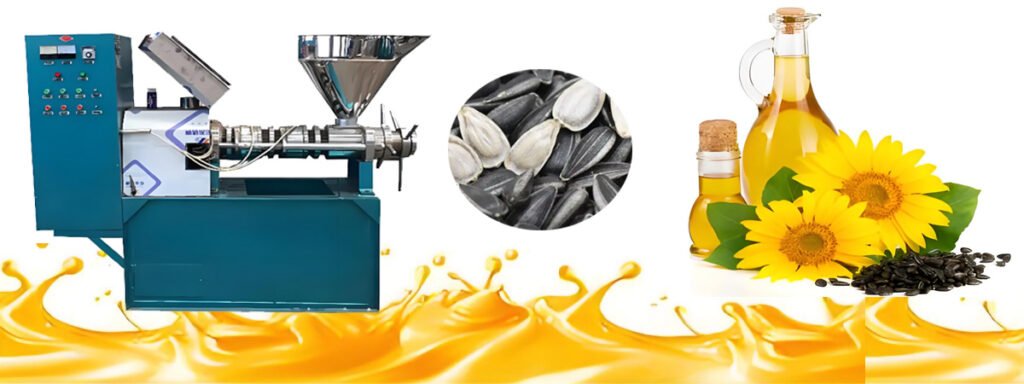
Daily cleaning removes leftover residue and prevents internal blockages completely. You must clean your machine after every single shift. This is the most basic step among oil press maintenance tips. Leftover seeds harden over time. They damage the pressing screw when you restart the machine. A clean machine runs smoothly. It produces higher quality oil.
The oil press processes a variety of raw materials. These materials leave sticky residues inside the chamber. The residues contain moisture and natural acids. They corrode metal parts quickly. You must clear the press chamber completely. You use a wire brush and a soft cloth for this job. You wipe the exterior surfaces to remove thick dust.
A clean environment prevents oil contamination. It protects your financial investment. Small farmers and large factories both benefit from this good habit. Your machine performs much better over the years. You spend less money on spare parts.
You must stop the machine properly before cleaning. You let the metal cool down slightly. You remove the solid cake from the outlet. You disassemble the cage bars if necessary. You scrape off the hard residues carefully. You do not use hard metal tools for this. Metal tools scratch the delicate screw surface. You use wooden or plastic scrapers instead. You reassemble the parts carefully after cleaning. This prepares the machine perfectly for the next shift. You avoid sudden jams during startup. You ensure a steady flow of raw materials. This simple act saves you hours of repair time. You protect the core parts of your oil extraction equipment.
| Cleaning Task | Frequency | Tools Needed | Your Practical Benefit |
|---|---|---|---|
| Clean Chamber | After every shift | Wire brush, scraper | Prevents startup jams |
| Wipe Exterior | Daily | Dry cloth | Stops outer rust |
| Clear Motor Fan | Weekly | Air compressor | Prevents motor overheating |
Practical tips and advice for you:
• End of Shift Action: You clean the press chamber and cake outlet completely before leaving.
• Weekly Motor Care: You use compressed air to blow dust off the motor cooling fans.
• Daily Rust Prevention: You wipe the machine body with a dry cloth to stop moisture buildup.
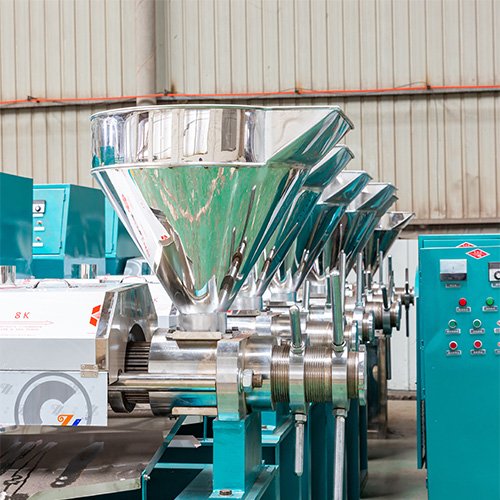
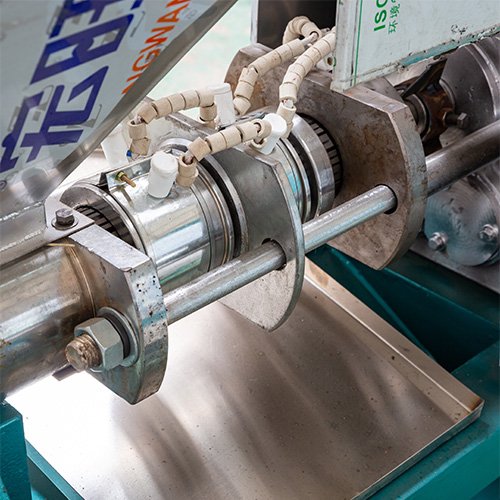
Proper lubrication reduces friction between moving metal parts safely. Friction causes intense heat and fast wear. You must add grease to bearings and gears regularly. This reduces heavy mechanical stress. Your machine operates quietly. This is a vital part of my oil press maintenance tips. It directly extends the life of your equipment.
Your oil press has many heavy-duty moving parts. The main shaft rotates under very high pressure. The gearbox transfers power from the motor to the shaft. These parts rub against each other constantly. You apply lubricating oil to create a protective film. This film separates the hard metal surfaces. It prevents deep scratches and heavy wear.
You must check the oil level in the gearbox monthly. You top it up if the level is low. You change the oil completely every six months. This keeps the internal parts very clean. It ensures smooth power transmission always. You avoid sudden mechanical failures during busy seasons.
| Lubrication Point | Lubricant Type | Checking Frequency | Your Practical Benefit |
|---|---|---|---|
| Main Gearbox | Industrial Gear Oil | Monthly | Ensures smooth power transfer |
| Shaft Bearings | High-Temp Grease | Weekly | Prevents bearing failure |
| Drive Chains | Chain Lube | Bi-weekly | Stops chain snapping |
Inspecting wearing parts helps you catch damage before it stops your production. The press screw and cage bars wear out naturally. You process hard seeds daily. These seeds grind against the strong metal. You check these parts every week. You replace them when they become too thin. This prevents total machine failure.
The press screw pushes the seeds through the tight chamber. It takes the most physical pressure. It wears down over hundreds of hours of work. You notice a sudden drop in your oil yield. This means the screw is worn out. You measure the screw thread thickness carefully. You compare it to a brand new one. You check the small gaps between the cage bars. Wide gaps let whole seeds escape. You lose valuable oil this way. You replace these parts in matching sets. You keep spare parts inside your factory. You change them quickly when needed. You avoid long production stops. This proactive approach saves you a lot of time.
You monitor the daily oil output closely. The output drops by ten percent. The cake becomes too thick and oily. This is your first warning sign. You open the chamber and inspect the screw rings. The sharp edges become round and smooth. The metal looks very thin. You must remove the old screw immediately. You install a new screw ring set. You never wait until the screw breaks completely. A broken screw damages the entire machine body. You always use original spare parts from the manufacturer. They fit perfectly. They restore your screw oil press to brand new condition.
| Wearing Part | Wear Indicator | Action Required | Your Practical Benefit |
|---|---|---|---|
| Press Screw | Rounded threads | Replace rings | Restores high oil yield |
| Cage Bars | Wide gaps | Replace set | Stops solid residue leakage |
| Cake Ring | Deep grooves | Replace ring | Maintains cake thickness control |
Practical tips and advice for you:
• Keep Spare Parts: You buy an extra set of screws and bars when you buy the machine.
• Measure the Cake: You check the cake thickness daily to gauge the internal pressure.
• Log Machine Hours: You write down the operating hours to predict when parts will wear out.
Managing temperature prevents overheating and protects both your oil and the machine. High mechanical friction generates extreme heat. You monitor the thermometer constantly. You keep the temperature within safe working limits. Overheating burns the delicate oil. It also warps the heavy metal parts. This is critical for machine longevity.
Before feeding the raw materials, please preheat the oil press first.. This prevents a sudden thermal shock to the metal. You start feeding the seeds slowly. You increase the feed rate very gradually. The machine temperature rises naturally as pressure builds. You check the operating manual for exact temperature numbers.
Peanut oil needs a different temperature than tough soybean oil. You adjust the cake thickness to control the internal heat. A thin cake increases pressure and heat. A thick cake lowers them. You stop the machine entirely if it gets too hot. You let it cool down naturally. You never ignore a hot machine. It leads to severe structural damage. You protect your investment by watching the heat levels.
Practical tips and advice for you:
• Use Auto Feeders: You install an automatic hopper to ensure a steady seed supply.
• Monitor Oil Color: You check the fresh oil color every hour to detect overheating early.
• Ensure Airflow: You open factory windows and doors to let out trapped machine heat.
Keeping the motor clean and dry ensures a steady power supply always. The electric motor drives the entire oil press. You protect it from flying dust and water. You check the wiring connections tightly. A healthy motor means a healthy working machine. This simple tip prevents dangerous electrical fires.
The factory environment has a lot of fine dust. Dust settles on the motor cooling fans quickly. It blocks the essential airflow. The motor overheats very easily. You use an air compressor to clean the fans weekly. You check the thick power cables for cracks. Broken cables cause dangerous short circuits. You replace old cables immediately. You monitor the motor sound closely. A loud humming noise means a mechanical problem. You check the incoming voltage supply. Low voltage damages the internal motor coils. You install a good voltage stabilizer. This keeps the power steady all day. You extend the motor life significantly.
The motor connects to the gearbox via rubber drive belts. You must inspect these belts regularly. Loose belts slip and waste precious electrical energy. Tight belts pull too hard on the motor bearings. You press the center of the belt with your thumb. It should bend slightly. You adjust the motor position to fix the tension. You check the belts for cracks and frayed edges. You replace damaged belts in complete sets. You check the metal pulleys for alignment. Misaligned pulleys destroy new belts fast. You use a straight edge to line them up perfectly. Proper belt care ensures full power transfer. It keeps your machine running at maximum capacity.
| Motor Component | Check Item | Action Required | Your Practical Benefit |
|---|---|---|---|
| Cooling Fan | Dust blockage | Blow with air | Prevents motor burnouts |
| Drive Belts | Tension/Cracks | Adjust or replace | Ensures full power delivery |
| Power Cables | Insulation cuts | Tape or replace | Prevents electrical shocks |
Practical tips and advice for you:
• Check Belt Tension: You push the belt weekly to ensure it is not too loose or tight.
• Listen for Noise: You listen to the motor daily. A rattling sound means loose bolts.
• Install Stabilizers: You use a voltage stabilizer to protect the motor from power spikes.
Proper storage prevents deep rust and degradation during the long off-seasons. You might stop production for several months. You clean the machine completely inside out. You coat all bare metal with thick anti-rust oil. You cover the machine with a waterproof tarp. This protects it from ambient moisture and dust.
Practical tips and advice for you:
• Elevate the Machine: You put wooden blocks under the base to keep it off the cold floor.
• Cover Completely: You use a heavy canvas tarp to block all dust and moisture.
• Rotate Manually: You turn the main shaft by hand every month to keep grease flowing.
Well-trained operators prevent the daily operational mistakes that cause mechanical breakdowns. Human error is the biggest threat to expensive machinery. You teach your workers the correct startup and shutdown procedures. They learn to listen for strange mechanical noises. Good operators are your first solid line of defense.
You do not rely entirely on human memory. You print a simple daily checklist on paper. You give it to the operator every morning. The list includes checking the oil level. It includes clearing the cake outlet. It includes feeling the motor temperature. The operator signs the paper at the end of the shift. This creates a strong sense of responsibility.
You review these checklists weekly. You spot recurring issues easily. You schedule maintenance based on real data. You reward operators who keep their machines clean. This positive reinforcement works wonders. Your factory runs like a well-oiled clock. You maximize your profits through zero downtime.
| Checklist Item | Time of Day | Action Required | Your Practical Benefit |
|---|---|---|---|
| Visual Check | Morning | Look for loose bolts | Prevents major vibrations |
| Temperature Check | Mid-day | Feel motor heat | Avoids electrical fires |
| Final Cleaning | Evening | Scrape the chamber | Readies machine for tomorrow |
Practical tips and advice for you:
• Hang Visual Guides: You put posters on the wall showing the correct operating steps.
• Do Regular Quizzes: You ask your workers simple questions about the machine weekly.
• Reward Good Care: You give a small bonus to workers who maintain their machines perfectly.
Question 1: How often should I change the gearbox oil?
You must change the gearbox oil every six months. You check the oil level every month. Clean oil prevents gear wear and ensures smooth running.
Question 2: What causes the press screw to jam suddenly?
A jammed screw happens when you feed seeds too fast. It also happens when the machine is too cold. You must feed materials slowly and preheat the machine.
Question 3: Can I use water to wash the oil press interior?
You must never use water to wash the interior. Water causes instant rust on the bare metal parts. You use a dry cloth or a wire brush to clean it.
Question 4: How do I know when to replace the cage bars?
You replace cage bars when they become visibly thin. You also replace them if oil leaks out too quickly with heavy solid residue. Wide gaps mean worn bars.
Question 5: Why is my oil press vibrating too much?
Excessive vibration means the floor foundation is loose. It can also mean the internal shaft is bent. You must tighten all base bolts immediately.
You now know how to care for your machinery properly. You clean the press chamber daily. You apply the right lubricating oil regularly. You inspect the wearing parts before they fail. You train your workers to operate the machine safely. These oil press maintenance tips are completely essential. They keep your production high and costs low.
About Fude Machinery
I am Zhengzhou Fude Machinery. My company is a leading manufacturer of oil extraction and refining equipment in China. We design durable machines for small farms and large factories globally. We provide full technical support and spare parts. We ensure your complete satisfaction.
Need high-quality spare parts or expert maintenance advice?
Contact Fude Machinery today. Get professional guidance and upgrade your oil mill operations now.
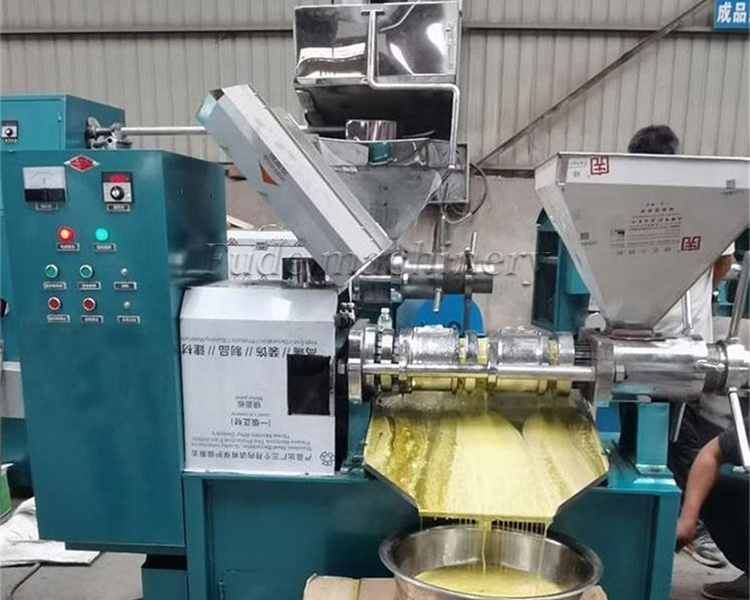
Hydraulic presses apply slow, static high pressure like a giant jack pushing down. Screw presses use continuous, dynamic force with friction and shear inside a barrel, constantly moving material forward.Let's break down what these principles mean ...
View details
Olive oil is directly cold pressed from fresh olive fruit, without heating or chemical treatment, thus preserving its natural nutritional components.
View details
Frequent breakdowns interrupt your oil production? High maintenance costs and downtime erode your profits. Discover how our durable screw oil press ensures reliable, continuous operation with minimal upkeep. A durable screw oil press ensures low m...
View details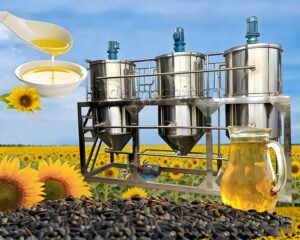
Are you seeking to produce premium, edible sunflower seed oil from crude oil? Do you want to understand the machinery that makes this possible? I am Fude Machinery. My company specializes in oil processing equipment. I can help you. I design and b...
View details