 Oil Press Equipment and Oil Refining Machinery for Sale – Start Your Oil Press Business
SEARCH WHAT YOU WANT
Search allProductNews
SEARCH
The peanut oil press is a fully automated oil processing system integrating raw material pretreatment, pressing, filtration, and refining. It converts peanuts into high-quality peanut oil meeting national standards through physical or chemical methods, and is widely used in small and medium-sized oil mills, medium-sized processing plants, and large oil enterprises.
You can make peanut oil using pressing or solvent extraction. Pressing uses force to squeeze oil out. Extraction uses chemicals to dissolve oil. The best choice depends on your goals for yield, quality, and cost.
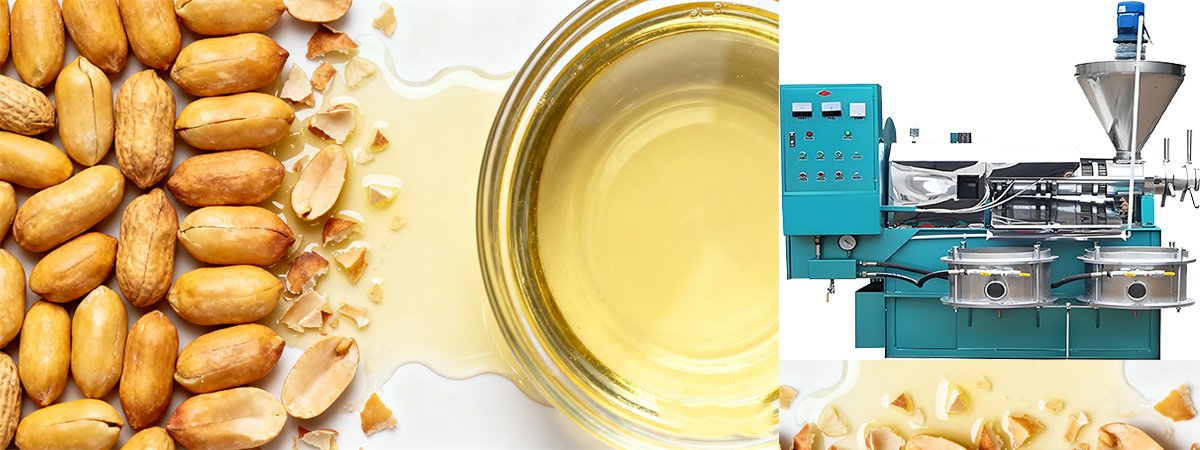
You want the best way to get oil from peanuts. Let’s look closely at each method. We can help you understand the differences.
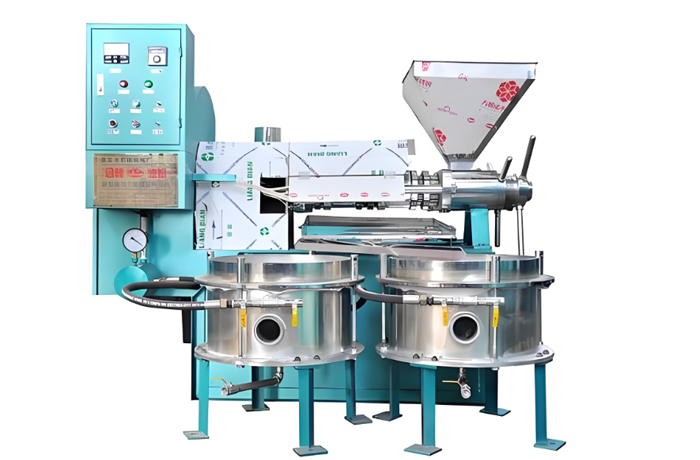
| Screw oil press |
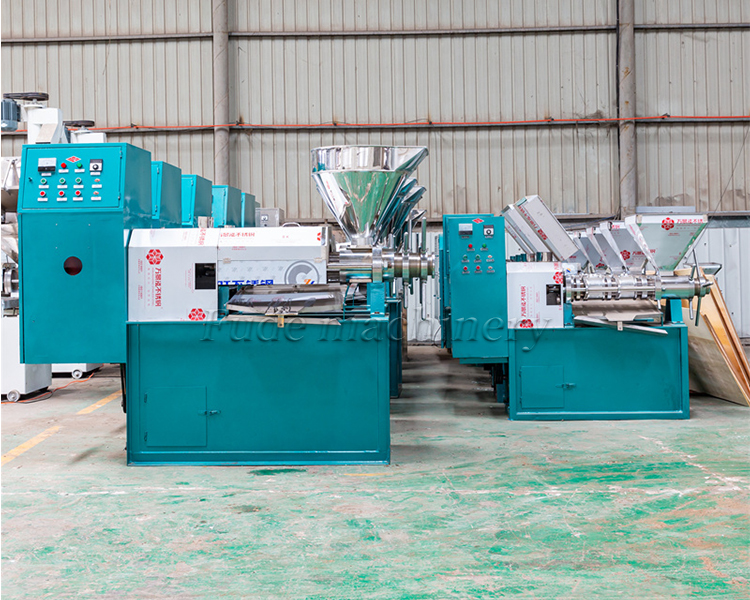
| Mainly utilizing the principle of screw extrusion, the oil crops are crushed under high temperature and high pressure through the extrusion of the rotating screw shaft and the inner wall of the press chamber, so as to press out the oil and grease. This kind of oil press is simple in structure, convenient in operation, strong in continuous production capacity, and suitable for the extraction of many kinds of oils and fats. |
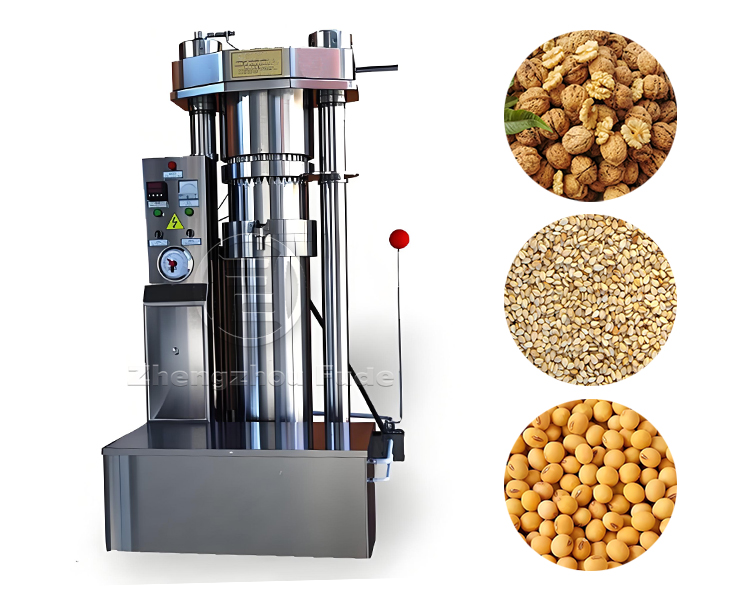
| Hydraulic Oil Press |
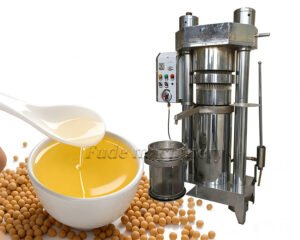
| Adopting high pressure working principle, it is suitable for oil with high oil content. Pressing walnut, soybean, sesame, peanut its production process is safe and stable, oil quality is high. Small size can be chosen for home use, medium and large size is suitable for small and medium-sized oil and grease processing plants. |
Customers care about oil quality. Quality includes taste, smell, color, and nutrients. How does the process affect the final oil quality?
Cold pressing often makes the highest quality crude oil with good flavor. Hot pressing and solvent extraction use heat or chemicals, which can affect oil quality and require more refining.
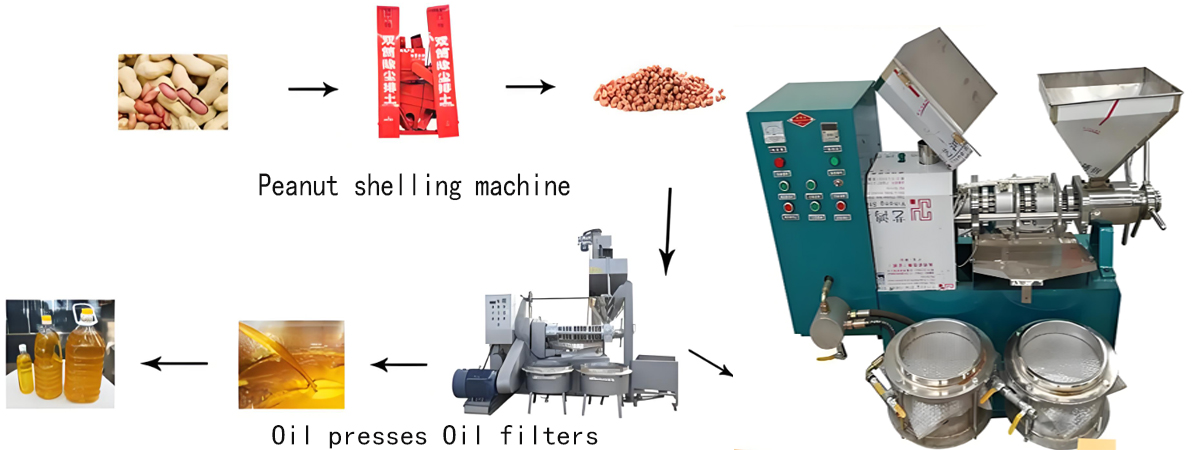
Oil quality is complex and depends on numerous factors. Raw material quality is the primary factor; with identical processing techniques, selecting a high-quality peanut oil press is crucial.
If your goal is to produce high-grade edible oil with natural flavor and minimal processing, cold pressing is often preferred.
Business decisions involve costs. You need to think about the initial price of equipment. You also need to think about the cost to run the process every day.
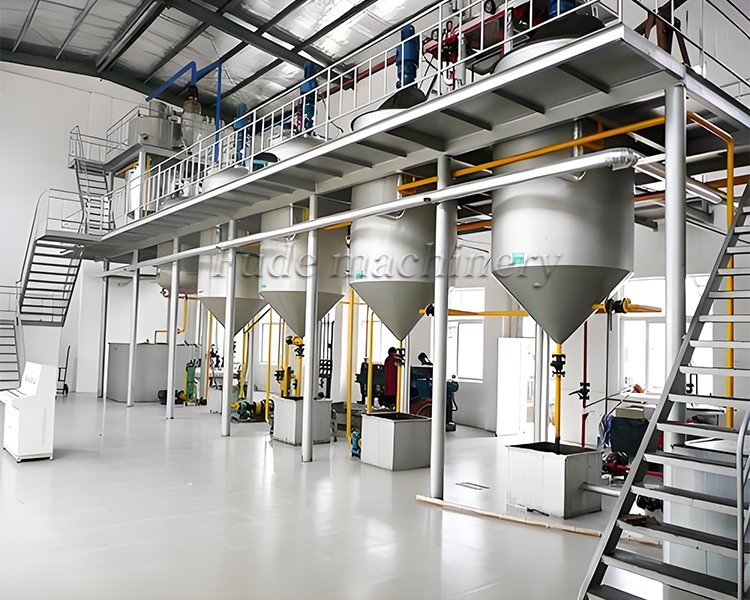
Pressing equipment is generally less expensive to buy and operate for smaller scales. Solvent extraction plants need a higher initial investment and have higher operating costs.
Let’s break down the costs. There is the capital cost and the operating cost.
Choosing the right process means looking at your budget. A small business or someone just starting might prefer pressing because the initial cost is lower.
You have different business goals. Your market needs are unique. How do you decide between pressing and extraction?
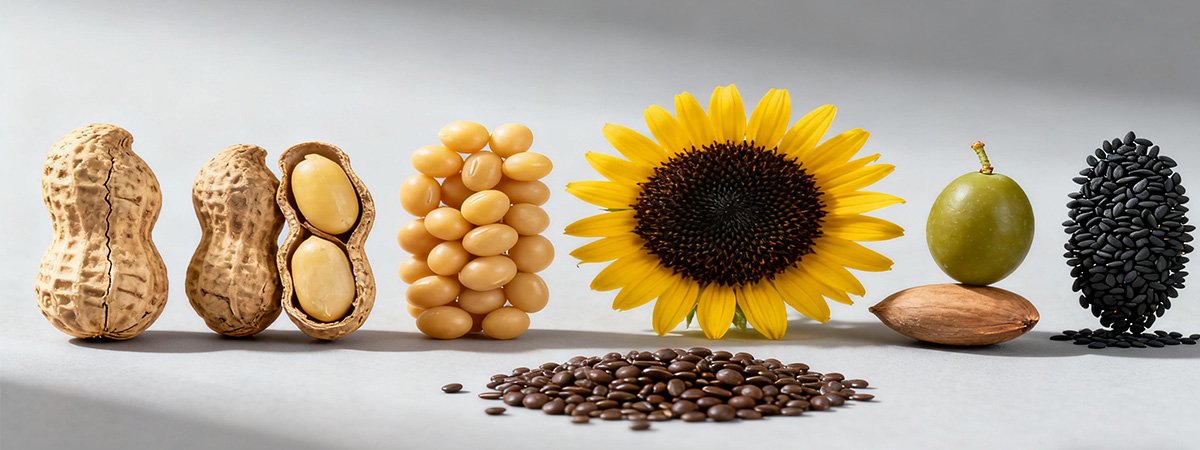
Choose pressing if you need lower initial cost, simpler operation, higher crude oil quality, or produce oil press. Choose extraction if you need maximum yield, process large volumes, and plan for full refining.
The best process is the one that fits your specific situation. Think about these things.
| Decision Factor | Choose Pressing If… | Choose Extraction If… |
|---|---|---|
| Scale | Small to Medium | Medium to Large |
| Initial Budget | Lower Investment Needed | Higher Investment is Possible |
| Running Costs | Want lower operating complexity | Can handle higher energy/solvent costs |
| Crude Oil Quality | High natural quality is priority | Planning for full refining anyway |
| Oil Yield | Sufficient yield with some oil in cake | Need maximum possible yield |
| Final Product Type | Natural Edible Oil | Refined Edible Oil, Industrial Oil, Low-Fat Meal |
| Operation | Simpler, fewer risks | More complex, requires safety protocols |
Zhengzhou Fude Machinery can design custom solutions for you. We offer many types of oil press and refining equipment. We can help you find the right machines for your needs. Our team has experience helping clients worldwide make these choices. We look at your raw material, target capacity, budget, and final product requirements.
You are considering an investment in oil processing equipment. A key question you face is, "Is a hydraulic oil press the right choice for my business?" The answer is yes, if your goal is to produce premium, high-value oils for niche markets. A hy...
View details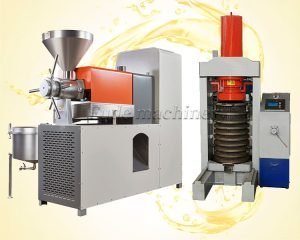
Hydraulic presses apply slow, static high pressure like a giant jack pushing down. Screw presses use continuous, dynamic force with friction and shear inside a barrel, constantly moving material forward.Let's break down what these principles mean...
View details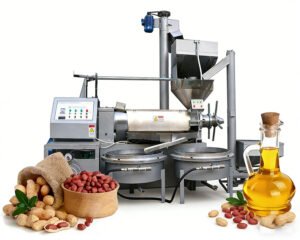
Struggling to find an oil press for both farm and industrial use? Our heavy-duty screw oil press, with robust build, high capacity, versatility, and reliability, offers scalable solutions for all. Continuous oil extraction demands machinery...
View details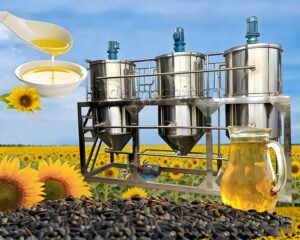
Are you seeking to produce premium, edible sunflower seed oil from crude oil? Do you want to understand the machinery that makes this possible? I am Fude Machinery. My company specializes in oil processing equipment. I can help you. I design and ...
View detailsThis website uses cookies to improve your browsing experience. By continuing to use this site, you accept the use of our cookies. Data collected from this website is processed and stored in the United States.