 Oil Press Equipment and Oil Refining Machinery for Sale – Start Your Oil Press Business

SEARCH WHAT YOU WANT
Search allProductNews
SEARCH
Oil filtration and oil refining are two different processes used in vegetable oil production.
Filtration mainly removes suspended solids and visible particles from crude oil. Refining uses several treatment stages to reduce gums, free fatty acids, pigments, moisture, odors and other impurities.
A small oil mill may need filtration after pressing. A plant producing bottled or refined cooking oil may need both filtration and refining.
The correct process depends on:
Fude Machinery supplies oil pressing, filtration and edible oil refining equipment for small, medium and commercial oil processing projects.
Request an Oil Processing Equipment Proposal

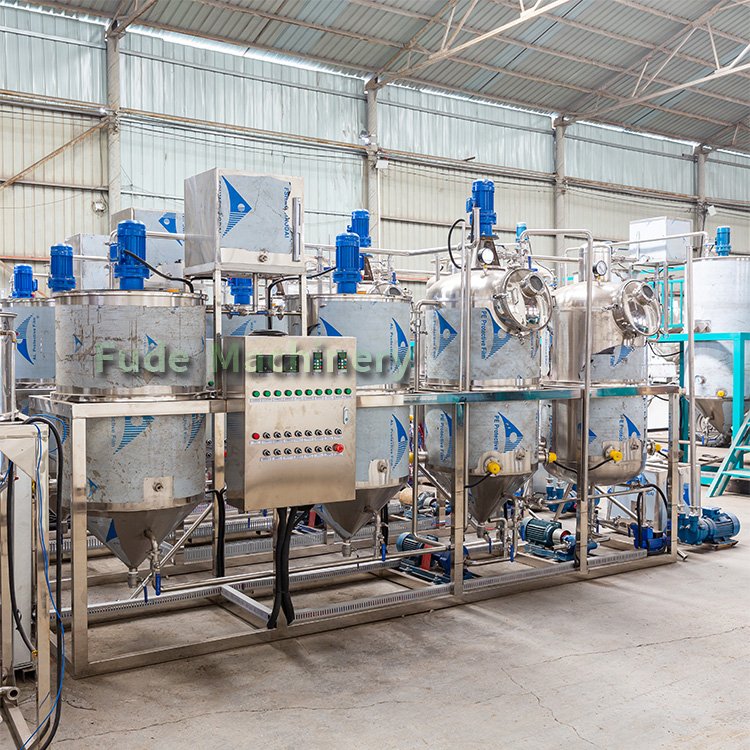

Oil filtration is a physical separation process.
After pressing, crude oil may contain:
An oil filter separates these particles from the liquid oil through a filter cloth, filter bag, centrifugal force, vacuum or another suitable filtration method.
Filtration can improve:
Filtration does not remove every dissolved impurity. It also does not automatically reduce free fatty acids, pigments, gums or odor compounds.
For oil filtration equipment, see our oil filter machine.
Edible oil refining is a series of physical and chemical processes used to improve crude oil quality.
Depending on the oil type, refining may include:
The objective is to produce oil that meets the requirements of the intended market and final application.
The required process varies according to:
Learn more about our edible oil refining equipment.
| Item | Oil Filtration | Oil Refining |
|---|---|---|
| Main purpose | Removes suspended solids | Reduces selected chemical and physical impurities |
| Process type | Mainly physical separation | A combination of physical and chemical treatment |
| Removes | Seed particles, cake residue and sediment | Gums, free fatty acids, pigments, odors and other impurities |
| Equipment | Centrifugal, plate and frame, vacuum or bag filter | Degumming, neutralization, bleaching, deodorization and related systems |
| Process scale | Simple or intermediate stage | Complete or partial treatment process |
| Final result | Clearer crude oil | Oil with improved quality and stability |
| Replaces refining? | No | Not applicable |
The two processes are complementary. Filtration may be one stage within a complete refining line.
An Cooking Oil Filter can remove or reduce:
The result depends on:
A filter cannot normally remove all dissolved gums, free fatty acids, pigments or odor compounds.
An edible oil refinery may be designed to reduce:
Degumming removes phospholipids and gums that may affect oil stability and later processing.
Neutralization or physical deacidification reduces free fatty acids according to the selected refining route.
Bleaching reduces color bodies, trace metals and some oxidation products.
Deodorization removes unwanted volatile compounds under controlled temperature and vacuum conditions.
Dewaxing or winterization may be used for oils that become cloudy at lower temperatures.
The actual stages depend on the crude oil and the final product requirements.
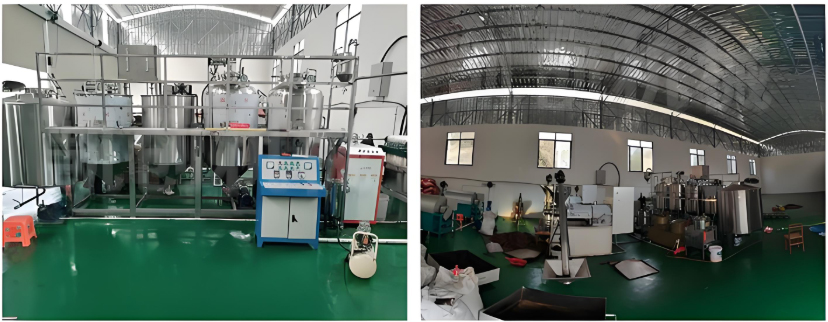
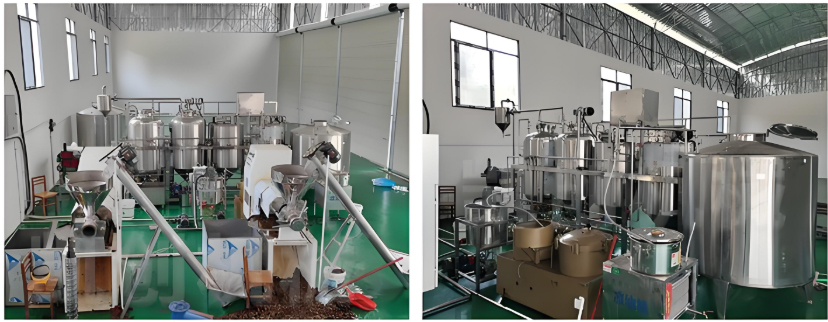
Not always.
Filtered oil may look clearer because suspended particles have been removed. However, it may still contain:
Whether filtered oil can be sold depends on:
A small mill should not describe filtered crude oil as fully refined unless the required refining and quality checks have been completed.
Filtration may be sufficient for some projects that:
The final decision should be based on product requirements and local regulations.
A small oil mill may need both processes when it plans to:
A typical process may be:
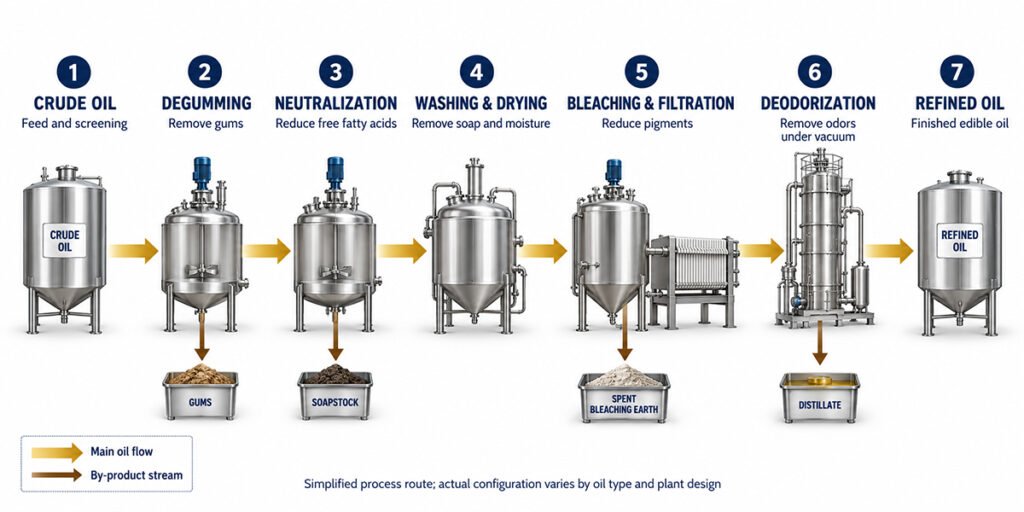
Oil Pressing → Crude Oil Filtration → Degumming → Neutralization or Deacidification → Bleaching → Filtration → Deodorization → Storage → Filling
The process should be adapted to the actual oil type.
A small oil mill may use:
Uses rotational force to separate suspended solids and heavier particles from crude oil.
Uses filter plates and cloth to separate fine particles under pressure.
Uses vacuum-assisted filtration to draw oil through a filter medium.
Uses replaceable filter bags for pre-filtration or final polishing filtration.
The best filter depends on oil flow, solid content, required clarity and cleaning requirements.
A complete or partial refining line may include:
Not every project needs all of these units.
Define whether you will sell:
If possible, test:
Consider:
Refining may require:
The layout should provide space for:
A small plant may use the following process:
Seed Cleaning → Screw Oil Pressing → Crude Oil Filtration → Storage
This may suit a project that sells filtered crude oil or sends oil to another refinery.
A plant producing packaged refined oil may use:
Seed Cleaning → Oil Pressing → Filtration → Degumming → Deacidification → Bleaching → Filtration → Deodorization → Storage → Filling
The correct configuration depends on the oilseed and final product.
For pressing equipment, see our oil press machine solutions.
Oil loss can occur during:
To control loss:
Actual losses depend on the oil type, equipment and operating conditions.
A filter removes suspended particles but does not normally remove every dissolved impurity.
Palm oil, soybean oil, sunflower oil, peanut oil and rapeseed oil may require different process stages.
Basic analysis helps determine the appropriate filtration and refining route.
Oversized equipment may increase the initial investment and operating cost.
The workshop should leave space for additional tanks, filters, filling equipment or refining stages.
Oil filtration mainly removes suspended solids. Oil refining uses several treatment stages to reduce gums, free fatty acids, pigments, odors and other impurities.
It depends on the oil type, product requirements and local regulations. Filtration alone may not be enough for packaged refined cooking oil.
Yes. Crude oil from a screw or hydraulic press is commonly filtered before storage or further refining.
The correct choice depends on oil type, flow, solid content, required clarity, cleaning method and available space. Centrifugal, plate and frame, vacuum and bag filters may all be suitable.
No process should be described as removing every impurity. The final result depends on the crude oil, equipment, operating conditions and quality control.
Yes. A filter can be used before or during a complete edible oil refining process.
The price depends on filter type, capacity, filter area, pump, materials, automation, auxiliary equipment and delivery location.
The cost depends on capacity, oil type, refining stages, heating, vacuum, storage, automation and delivery requirements.
To recommend a suitable filtration or refining system, please send:
If you do not have all the information, send us the oil type, capacity and country first.
Are you planning to improve the oil quality of your small oil mill?
Send us your oil type, crude oil volume, required filtration level and destination country. Fude Machinery will help you determine whether you need filtration only or a combined filtration and refining system.
Request an Oil Processing Equipment Proposal
You can also review:
Fude Machinery will review your project details and recommend the next suitable step.
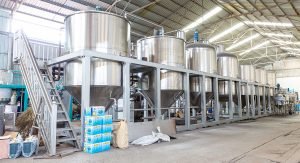
Edible oil refining machine is a mechanical equipment used for refining and refining edible oil. It removes impurities, acidic substances, and other harmful components from vegetable oil through a series of physical and chemical treatment steps, t...
View details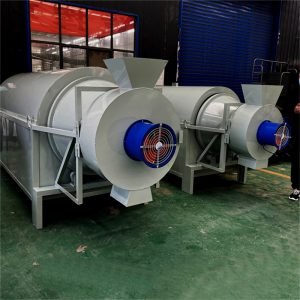
Drum dryer has a high degree of mechanization, which can achieve automated production and improve production efficiency
View details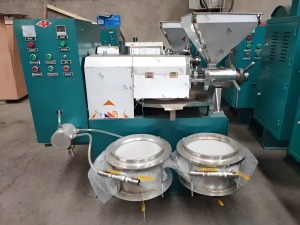
Oil press is a type of oil processing machinery that extracts vegetable oil by squeezing pre treated oil. The spiral oil press used as a pre press machine is used to pre press the oil material under high pressure, and the pre pressed bad cake is t...
View details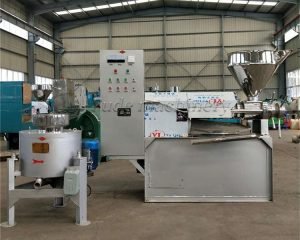
Cold pressed sesame oil, as a type of edible oil, is generally consumed in moderation without significant side effects
View details