 Oil Press Equipment and Oil Refining Machinery for Sale – Start Your Oil Press Business

SEARCH WHAT YOU WANT
Search allProductNews
SEARCH
Choosing the right oil filter machine is important for any small oil mill.
Crude oil from a screw press or hydraulic press normally contains fine seed particles, oil cake residue and other suspended solids. A suitable filtration system can improve oil clarity, protect storage tanks and prepare the oil for filling or further refining.
The best filter depends on:
Fude Machinery supplies oil filtration equipment for small, medium and commercial oil processing projects.
Request an Oil Filter Machine Quotation
An oil filter machine separates suspended solids and other removable particles from crude vegetable oil.
After pressing, the crude oil may contain:
The filter normally improves the physical clarity of crude oil. It does not remove every dissolved impurity and does not replace a complete edible oil refining process.
The final filtration method should be selected according to the oil type, oil flow, solid content and final product requirements.
A typical small oil mill may use this process:
Seed Cleaning → Oil Pressing → Crude Oil Collection → Oil Filtration → Storage → Refining or Filling
The main pressing equipment may be:
After pressing, the crude oil is transferred to a suitable filtration system.
If the oil will be sold as refined cooking oil, further treatment may be required. See our edible oil refining equipment.
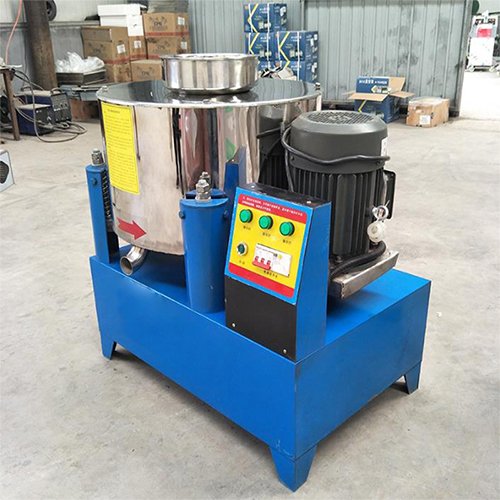
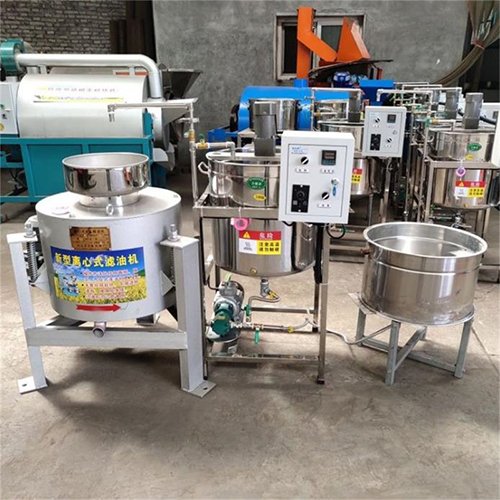
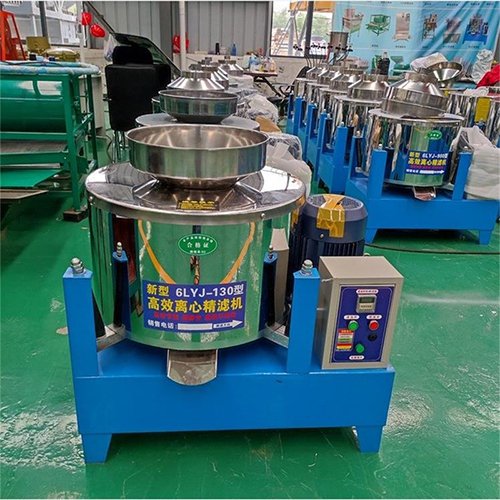
A centrifugal oil filter uses rotational force to separate oil from suspended solids and, in some applications, water or heavier particles.
It may be suitable for:
Important selection factors include:
A centrifugal filter should be selected according to the oil and operating conditions. It should not be described as a complete refining machine.
A plate and frame filter passes crude oil through filter cloth or filter plates.
It may be suitable for:
The operator may need to clean the filter cloth and remove the filter cake regularly.
The correct filter cloth, pressure and flow rate should be confirmed according to the oil type.
A vacuum oil filter uses a vacuum-assisted filtration process to draw oil through a filter medium.
It may be suitable for:
A vacuum filter requires:
A bag filter uses a replaceable filter bag to remove suspended solids from oil.
It may be used for:
The filter bag must be selected according to oil viscosity, temperature and solid content.
| Item | Centrifugal Filter | Plate and Frame Filter |
|---|---|---|
| Operating method | Rotational separation | Pressure filtration |
| Operation | Continuous or semi-continuous | Batch or semi-continuous |
| Suitable use | Regular crude oil filtration | Fine filtration and batch processing |
| Cleaning | Depends on model design | Filter cloth cleaning required |
| Main consideration | Flow and solid separation | Pressure, cloth and filter cake |
| Workshop requirement | Compact equipment area | Space for opening and cleaning |
| Best selection factor | Stable oil flow | Required filtration clarity |
The correct choice depends on your raw material, oil flow and operating method.
Some oil mills use more than one filtration stage, such as pre-filtration followed by fine filtration.
Different oils have different viscosity, particle content and filtration behavior.
Before selecting a filter, identify whether you process:
The same filter may not provide the same result for every oil.
Consider:
A filter that is too small may slow down the entire oil mill.
A filter that is too large may increase the purchase price and require unnecessary power or space.
The amount and size of solids affect the filtration method.
High solid content may require:
The required clarity depends on the final product.
The filtration requirement may be different for:
The filter should be selected according to the actual product standard.
Batch filtration may suit smaller oil mills that process limited volumes or different oils.
Continuous or semi-continuous filtration may suit operations that need regular oil flow and reduced manual transfer.
Provide space for:
Before ordering, confirm:
Ask how often the filter must be cleaned and which parts need replacement.
Important maintenance items may include:
A basic small oil mill filtration system may include:
The final configuration depends on:
A small oil mill may begin with a simple filtration system and add a second filter stage as production increases.
Cold-pressed oil may contain fine particles from the seeds or nuts.
A suitable filtration system can help remove suspended solids before storage or filling.
However, the oil should not be described as automatically finished or ready for sale after one filtration step. The final process depends on:
For cold pressing equipment, see our cold press oil press machine.
Crude oil may be filtered before degumming, neutralization, bleaching or deodorization.
Pre-filtration can help protect pumps, heating systems, mixing tanks and downstream equipment.
A typical process may be:
Oil Pressing → Crude Oil Filtration → Degumming → Neutralization or Deacidification → Bleaching → Filtration → Deodorization
The exact process should be designed according to the crude oil analysis.
Possible causes include:
Possible causes include:
Possible causes include:
Possible causes include:
Oil can remain in:
To reduce loss:
Actual oil loss depends on the oil type, solids, filtration method and equipment settings.
Follow the equipment manual for the final maintenance schedule.
To recommend a suitable oil filter machine, please provide:
If you do not have all the data, send us the oil type, press capacity and country first.
Fude Machinery supplies oil pressing, filtration and edible oil refining equipment for different project sizes.
Our service may include:
Learn more about our oil processing equipment.
The best filter depends on oil type, flow, suspended solids, required clarity, cleaning method and workshop conditions. Centrifugal, plate and frame, vacuum and bag filters may all be suitable for different projects.
No. An oil filter mainly removes suspended particles and other removable solids. Dissolved gums, free fatty acids, pigments and odor compounds may require additional refining.
Yes, a centrifugal filter may be used after pressing when its capacity and separation performance match the crude oil.
Not always. Some products require more than one filtration stage or further refining before filling and sale.
The frequency depends on oil volume, solid content, filter type and operating conditions. Check the filter when flow decreases or pressure increases.
Some filters can process multiple oils, but cleaning and operating procedures may need to be adjusted to prevent cross-contamination.
The price depends on filter type, capacity, filtration area, pump, material, automation, auxiliary equipment and delivery location.
Are you setting up a small oil mill or upgrading your crude oil filtration system?
Send us your oil type, press capacity, expected oil flow and destination country. Fude Machinery will help you compare filtration options and recommend a suitable oil filter machine.
Request an Oil Filter Machine Quotation
You can also send:
We will review your project and provide the next recommended step.
Screw oil presses extract oil from oilseeds through mechanical compression. Hot pressing and cold pressing are the two primary processes, differing mainly in processing temperature, workflow, oil yield, oil quality, suitable raw materials, and ene...
View details
Grain dryers will play a more important role in the future
View details
Centrifugal oil filter is an efficient, economical, and safe oil purification equipment, widely used in multiple fields
View details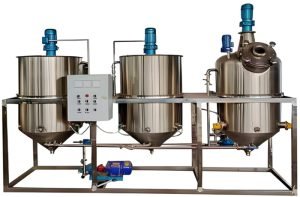
You are ready to move beyond basic oil production. So, what is a 3-tank oil refinery machine? It is the perfect middle-ground solution in oil processing equipment. It offers a significant quality upgrade from a simple 2-tank system, without the co...
View details