 Oil Press Equipment and Oil Refining Machinery for Sale – Start Your Oil Press Business
SEARCH WHAT YOU WANT
Search allProductNews
SEARCH
If you produce cooking oil or supply restaurants, you surely understand why customers choose your products. You may be wondering: What exactly are the health benefits of peanut oil that make it so popular?
I am Fude Machinery. I manufacture screw oil presses, which are machines used to produce cooking oil. Peanut oil has become one of the most successful products precisely because it strikes a balance between health and performance. It is not merely a cooking medium, but also a source of essential fats and vitamins.
The main health benefit of peanut oil is its ability to support the heart through a high concentration of monounsaturated fats. I often explain this to my clients who want to market their oil as “heart-healthy.” Monounsaturated fats are the “good fats.” They help lower the LDL cholesterol in your blood. LDL is the “bad” cholesterol that can clog your arteries. When you replace saturated fats (like butter or palm oil) with peanut oil, you reduce the risk of heart disease. This makes peanut oil a favorite for people who are watching their blood pressure or managing their weight.
Another important part of heart health is the presence of Omega-6 fatty acids. These are polyunsaturated fats. Your body cannot make these fats on its own. You must get them from food. Omega-6 helps regulate blood clotting and supports the growth of skin and brain cells. I always tell my B2B customers to highlight this. When you use a high-quality oil extraction machine, you preserve these essential fatty acids. This allows the final product to offer real nutritional value. For a food processor, selling a product that actively helps heart health is a huge competitive advantage in 2026.
Peanut oil contains natural compounds called phytosterols. These are plant sterols that look very similar to cholesterol. Because they look the same, they compete with cholesterol for absorption in your gut. When you eat oil rich in phytosterols, your body absorbs less bad cholesterol from your food. This is a natural way to keep the arteries clean. I see many of my clients in the pharmaceutical and health-food sectors focusing on this. They use refined peanut oil as a base for health supplements because of these sterols.
For the B2B oil miller, this means your product is more than just a cooking ingredient. It is a functional food. When you produce a clean, pure oil, you are providing a tool for cholesterol management. I design my machinery to ensure that these delicate compounds are not destroyed by excessive heat during the pressing stage. By keeping the process controlled, you ensure that the phytosterols remain active. This increases the value of your oil in the eyes of health-conscious buyers. It moves your product from the “commodity” category to the “wellness” category.
| Fat Type | Role in Health | Impact on Cholesterol | Your Marketing Edge |
|---|---|---|---|
| Monounsaturated | Lower LDL (Bad) | Reduces artery clogging | “Heart Healthy” label |
| Polyunsaturated | Cell growth | Regulates blood flow | “Essential Nutrients” |
| Phytosterols | Block absorption | Lowers blood cholesterol | “Cholesterol Support” |
| Vitamin E | Antioxidant | Protects heart cells | “Anti-Aging/Wellness” |
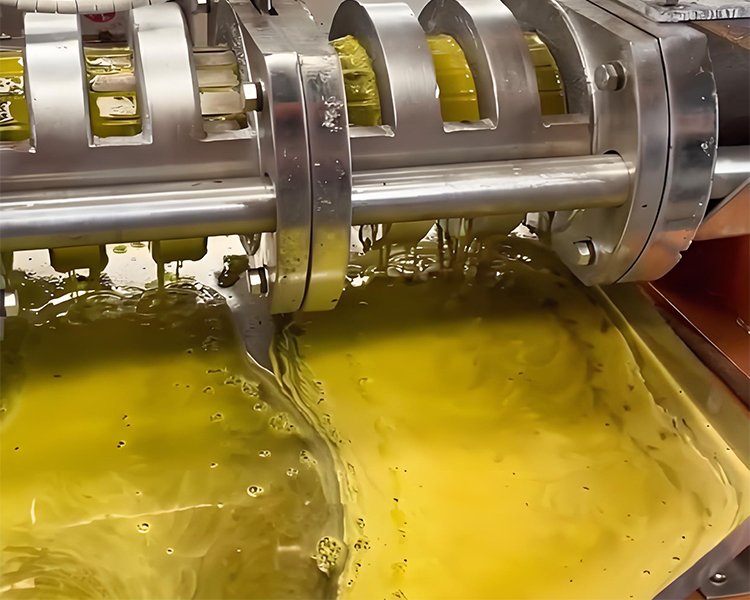
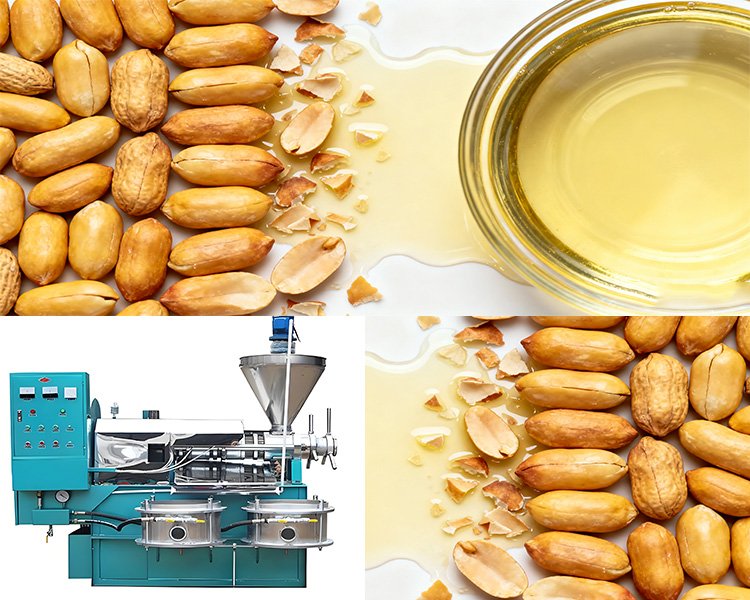
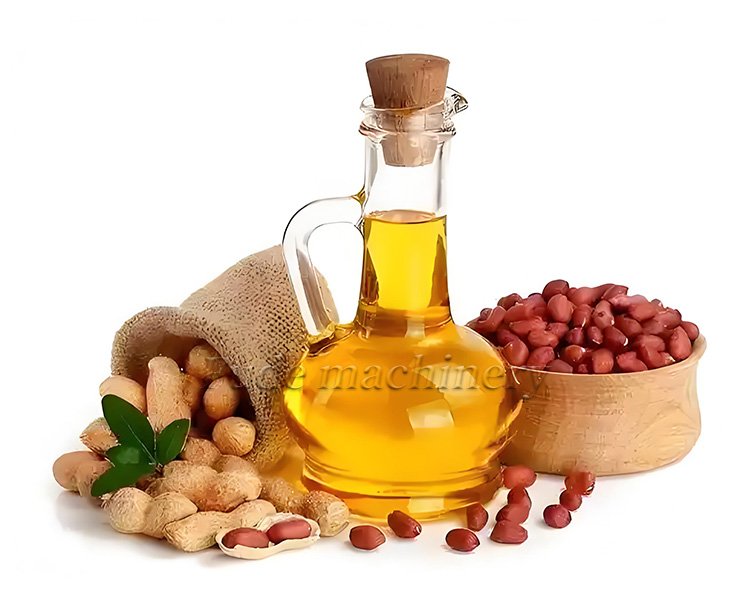
When you fry food at very high temperatures, a chemical called acrylamide can form. This happens mostly in starchy foods like potatoes. Some studies suggest that acrylamides can be harmful to health over a long period. Because peanut oil has a high smoke point and stable chemical structure, it helps reduce the formation of these toxins. I always tell my B2B buyers that using peanut oil is a “safety upgrade” for their kitchen. It allows them to get the crispy texture of fried food without the high risk of chemical breakdown.
For the oil producer, this is a key selling point. You are not just selling a fat; you are selling “frying safety.” I ensure that my refining equipment removes the free fatty acids that normally lower the smoke point. By cleaning the oil thoroughly, I help you produce a product that can withstand the heat of a commercial kitchen. This makes your oil more desirable than cheaper, unrefined alternatives. In the professional food world, stability is more important than price. A stable oil means fewer burnt batches and healthier customers.
Peanut oil is a natural source of Vitamin E, which acts as a powerful antioxidant to protect the body from cell damage. I often see this as a missed opportunity for marketing. Vitamin E is not just a vitamin; it is a shield. It protects the cells in your body from “oxidative stress.” This stress is caused by free radicals, which are unstable molecules that can lead to aging and disease. By consuming peanut oil, people get a dose of alpha-tocopherol, the most active form of Vitamin E. This supports the immune system and keeps the skin looking healthy.
Antioxidants also help protect the oil itself. This is where the chemistry of the seed meets the business of the mill. Vitamin E helps prevent the oil from going rancid. However, if you use poor-quality machinery that overheats the seed, you can destroy these vitamins. I design my oil processing equipment to operate at a temperature that extracts the oil without killing the nutrients. When you can prove that your oil retains its Vitamin E content, you can market it as an “anti-aging” or “skin-healthy” product. This attracts a whole new group of B2B buyers in the beauty and wellness industry.
Vitamin E is famous for its role in skin health. It helps the skin retain moisture and protects it from UV damage. For the end consumer, using peanut oil in their diet can lead to a healthier glow and better skin elasticity. Additionally, some antioxidants in peanut oil support eye health. They help protect the retina from oxidative damage. While these benefits are subtle, they are very powerful in a marketing campaign. In the modern market, “beauty from within” is a huge trend.
As a manufacturer, I help my clients capture this trend. By providing equipment that ensures a clean and nutrient-dense extraction, I give them a product that fits the “wellness” narrative. I suggest my clients avoid using harsh chemicals during the extraction process. Using a mechanical screw oil press is the best way to keep the Vitamin E intact. When the oil is pure and natural, the health benefits are clear. This allows you to sell your oil at a premium price because it is no longer just a cooking fat—it is a health supplement.
Health is not the only factor; taste is what keeps the customer coming back. Peanut oil has a mild, nutty flavor that enhances the taste of food without overpowering it. This is a “health synergy.” When food tastes better, people are more likely to cook at home rather than buying processed fast food. By providing a high-quality oil, you are encouraging a healthier lifestyle for the end user. I design my equipment to remove the “bitter” notes that can occur if the peanuts are not processed correctly. A clean taste means the oil is pure and healthy.
According to the customer’s production requirements, there are demands for oil quality. There are spiral oil presses and hydraulic oil presses available for extracting peanut oil.
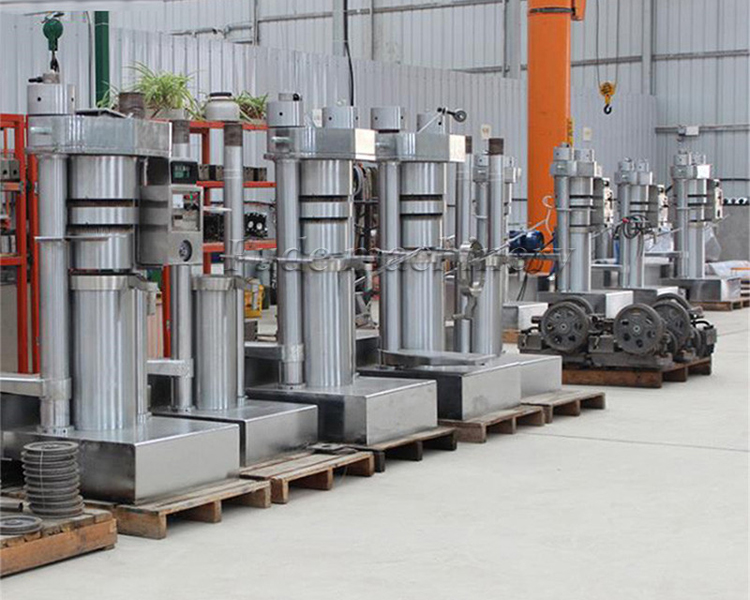
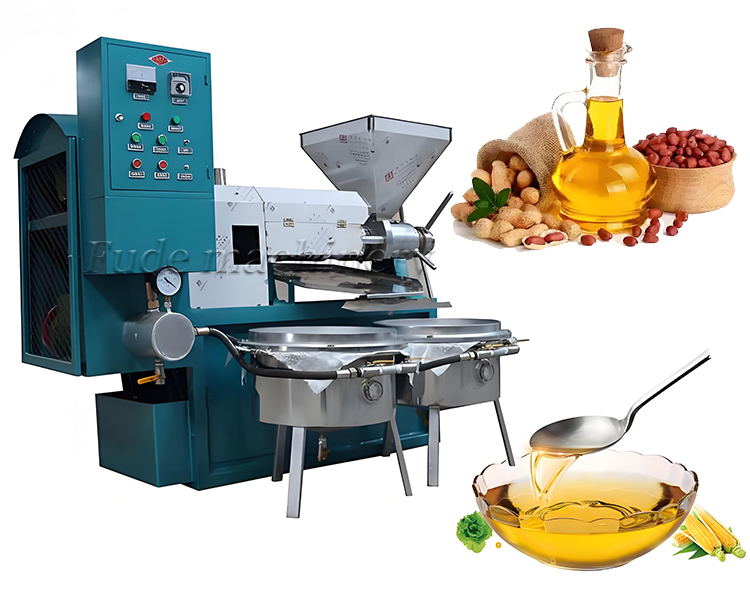
If you are interested in the oil processing industry, you can contact us on WhatsApp. As an experienced export oil press manufacturer, we provide you with a comprehensive introduction to industry analysis equipment.
There is a common myth that refining removes all the health benefits, but in reality, professional refining makes peanut oil safer and more useful for the consumer. I am a manufacturer of refining equipment, so I want to be clear about this. Raw, unrefined peanut oil contains gums and free fatty acids. These impurities can make the oil taste sour and make it go rancid quickly. Rancid oil is not healthy; it contains oxidized fats that can cause inflammation. Therefore, refining is actually a “health-promoting” step because it removes the elements that cause the oil to spoil.
My oil refinery machine uses a process of degumming and neutralization. This removes the phospholipids and acids. Then, the bleaching stage removes dark pigments. Finally, the deodorization stage removes the strong “raw” smell. While some vitamins are lost during this process, the result is an oil that is chemically stable. This means the oil can be stored for longer without becoming toxic. For a B2B company, selling a stable, refined oil is the only way to ensure food safety for your customers. A refined oil is a reliable oil.
I often advise my clients to offer both types of oil to capture different markets. Cold-pressed oil is for the “wellness” market. It is not heated, so it keeps 100% of the Vitamin E and phytosterols. However, it has a lower smoke point and a shorter shelf life. It is a “finishing oil,” used for salads or drizzling. Refined oil is for the “cooking” market. It is processed for stability and high heat. Both are healthy, but they serve different purposes. By producing both, you maximize your reach in the market.
I design my factory layouts to allow for both production paths. You can have a line for raw, cold-pressed oil and a line for fully refined oil. This allows you to tell your customers: “Use our cold-pressed oil for your salads to get maximum vitamins, and use our refined oil for your frying to ensure maximum safety.” This approach shows that you are an expert in your field. It builds trust with your B2B buyers. When they trust your expertise, they are more likely to invest in more equipment and expand their production with you.
The world is moving toward “Clean Label” products. People want to know exactly what is in their oil and how it was made. They are moving away from highly processed seed oils and toward “single-source” oils like peanut oil.
Trends Overview:
In 2026, the trend is “Transparency.” B2B buyers are asking for the “origin” of the peanuts and the “method” of extraction. They want to know that the oil was made without harmful chemicals. This is why mechanical pressing is becoming more popular than solvent extraction. People are willing to pay more for oil that they know is “pure” and “natural.” The health benefits of peanut oil are now being linked to “sustainability” and “natural farming.”
Latest Progress One-Shot:
• Low-Acid Refined Oils: New refining techniques allow us to remove impurities while keeping more of the natural antioxidants.
• Omega-Balance Marketing: More producers are listing the exact ratio of Omega-9 to Omega-6 on their labels to prove heart-health benefits.
• Eco-Friendly Extraction: The use of solar-powered oil mills is reducing the carbon footprint of “healthy” oils, making them even more attractive to Gen Z and Millennial buyers.
Question 1: Is refined peanut oil as healthy as cold-pressed oil?
Cold-pressed oil keeps more natural nutrients and vitamins. However, refined peanut oil is much safer for high-heat cooking because it has a higher smoke point and fewer impurities that can cause rancidity.
Question 2: Does peanut oil lower bad cholesterol?
Yes. Peanut oil is rich in monounsaturated fats (Omega-9). These fats help lower LDL (bad) cholesterol and support overall heart health when used as part of a balanced diet.
Question 3:What additional value do peanuts have?
The comprehensive utilization of by-products after peanut oil extraction is becoming a new profit point. Peanut meal can be processed into protein powder and snack food, peanut shell can be used to make activated carbon or biomass fuel, and peanut red coat can extract anthocyanins.
The health benefits of peanut oil are a powerful tool for any B2B oil producer. By focusing on heart-healthy monounsaturated fats, the safety of a high smoke point, and the protection of Vitamin E, you can move your product from a simple commodity to a premium health product. The key to success is quality. To deliver these benefits, you need equipment that extracts the oil efficiently and refines it without destroying the nutrients. A high-quality oil extraction machine is the foundation of a healthy product.
I recommend that all my clients adopt a “Value-Added” strategy. Do not just sell “peanut oil.” Sell “Heart-Healthy Frying Oil” or “Antioxidant-Rich Cold-Pressed Oil.”Educate your B2B buyers on why these benefits matter to the end consumer. If you provide the health a bit of evidence (like lab tests) and the right marketing, you will see your demand increase. Use a mix of cold-pressed and refined oils to cover every part of the market, from the health shop to the professional kitchen.
About Fude Machinery
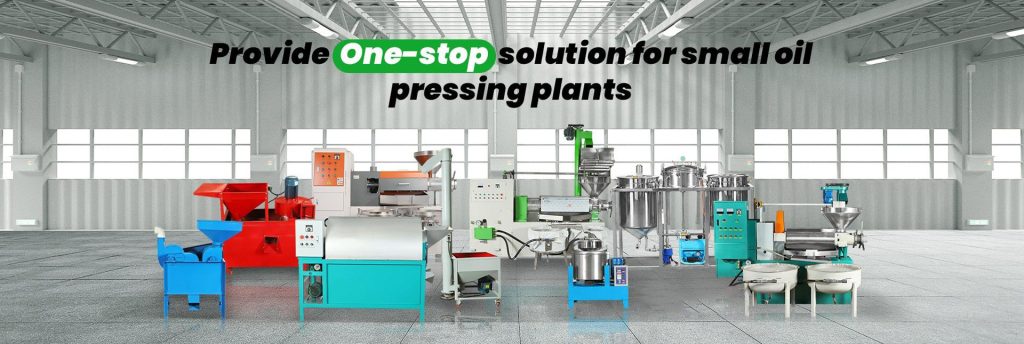
I am Zhengzhou Fude Machinery. We are a professional manufacturer of oil processing equipment in China. We specialize in B2B solutions for food oil, refined oil, and industrial oils. Our factory in Zhengzhou uses advanced CNC technology and strict quality control to ensure our machines are efficient and durable. We have exported our equipment to over 120 countries, helping thousands of producers create high-quality, healthy oils. We provide the tools and the technical knowledge to help your oil business grow.
Want to produce a healthier oil?
Contact me today for a free equipment consultation. I will help you design a production line that preserves the natural health benefits of your peanuts and maximizes your profit margins.
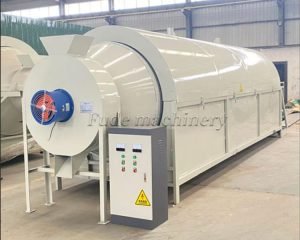
Drying machines have broad application prospects and important value in agriculture.
View details
The edible oil produced from soybeans is light, clean, and flavorful. This makes it more popular and loved by many people. Soybean oil is composed of 60% polyunsaturated fat and 24% monounsaturated fat, which combine to form a heart healthy oil. E...
View details
Oil press is a kind of equipment used to extract oil from oil crops, which can press olives, peanuts, palm, soybeans and many other oils.
View details
For home use, a small, semi-automatic or manual assisted tea seed sheller that is affordable, low-noise, safe and reliable is a more suitable choice.
View details