 Oil Press Equipment and Oil Refining Machinery for Sale – Start Your Oil Press Business
SEARCH WHAT YOU WANT
Search allProductNews
SEARCH
Do you want to understand the secret of oil extraction? An oil press works by using high mechanical pressure to squeeze oil out of seeds or nuts. I am Fude Machinery. I build professional oil processing equipment for businesses globally. This process turns raw agricultural materials into valuable liquid gold. It is a simple mechanical action but requires precise engineering to get the most oil.
The basic principle of an oil press is mechanical compression. You apply a massive amount of force to a small area of seeds. This force breaks the cell walls of the plant material. The oil is stored inside these cells. Once the walls break, the oil flows out as a liquid. This is very similar to how you squeeze a wet sponge with your hand. You push the water out by reducing the space the sponge occupies.
I design my machines to create this pressure in a controlled way. In a professional press, the pressure is much higher than a human hand can provide. The seeds are pushed into a tight space. As the space gets smaller, the pressure rises. The oil has nowhere to go but through small gaps in the machine wall. The solid parts of the seed stay trapped and are pushed out as a dry cake. This mechanical action is the core of all oil extraction equipment. It is efficient and does not require dangerous chemicals to get the oil. You get a natural product that is safe for food or industrial use.
Friction is a secret helper in the oil pressing process. As the machine parts move and rub against the seeds, they create heat. This heat is not an accident. I build the machines so this friction happens intentionally. Heat reduces the viscosity of the oil. Viscosity is just a fancy word for how thick a liquid is. Think of cold honey versus hot honey. Hot honey flows much faster.
When the oil inside the seed becomes hot, it becomes thinner. Thinner oil moves more easily through the press barrel. It escapes the seed cells faster. This means you get more oil in less time. Also, the heat helps to soften the seed structure. This makes it easier for the mechanical pressure to crush the cells. If the machine is too cold, the oil stays thick. The press has to work harder, and the oil yield drops. Most of my industrial machines use this friction heat to keep the process efficient. You can also add electric heaters to the barrel for better control.
| Factor | Effect on Oil | Result for You |
|---|---|---|
| High Pressure | Forces oil out of cells | Higher oil yield |
| High Heat | Lowers oil thickness | Faster production |
| Proper Feeding | Steady internal load | Long machine life |
Practical tips and advice for you:
• Preheat Your Machine: You should run the press empty for a few minutes to build heat before adding seeds.
• Check Material Moisture: Use seeds with 7% to 12% moisture for the best flow.
• Avoid Overloading: You feed seeds at a steady pace to maintain constant friction heat.
The oil extraction process happens in three main stages: pre-treatment, pressing, and filtration. You cannot just put raw seeds into a machine and expect perfect oil. Each step is critical to ensure the oil is clean and the yield is high. I provide full solutions that cover all these stages for my B2B customers.
First, you start with pre-treatment. You clean the seeds to remove stones and dust. Then, you often roast or steam them. This is called conditioning. Roasting breaks some cell walls and removes moisture. It also improves the smell of the oil. Second is the actual pressing. This is where the screw oil press does its work. The seeds are crushed and squeezed. Raw oil flows out, and the oil cake is expelled. Third is filtration. The oil coming out of the press is cloudy. It contains tiny bits of seed and protein. You pass this raw oil through a filter or a centrifuge. This removes the solids and gives you a clear, sparkling oil.
Pre-treatment is where you win or lose your profit. If you skip cleaning, stones will damage my machine’s screw. This leads to expensive repairs. If you skip roasting, the oil will be thicker and harder to extract. I recommend using a roaster or a cooker before the press. Cooking the seeds with steam makes them more pliable. It is like cooking a vegetable before mashing it. The cells become weak and easy to break.
For seeds like soybeans, pre-treatment is mandatory. Soybeans have a hard shell. You must crack the shells and heat the beans to release the oil. For peanuts, a light roast adds a great flavor that customers love. I design these pre-treatment machines to work perfectly with my presses. By controlling the temperature and time of roasting, you control the quality of the final oil. You can choose to make a “cold-pressed” oil by skipping high heat. This keeps more nutrients but gives you a lower yield. Most industrial users prefer hot pressing for maximum profit.
Practical tips and advice for you:
• Use a Sifter: You must use a vibrating screen to remove all small stones before pressing.
• Control Roast Time: You roast seeds just enough to break cells, not so much that you burn the oil.
• Steam Correctly: For large batches, use a steamer to ensure the core of the seed is heated.
Actual Case: A specialty oil producer wanted “premium” coconut oil. I set up a low-heat pre-treatment line. The oil kept its natural scent and vitamins. Even with a lower yield, they sold the oil for twice the price of regular oil.
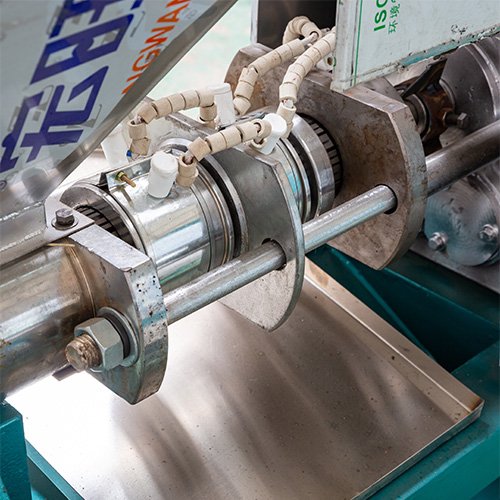
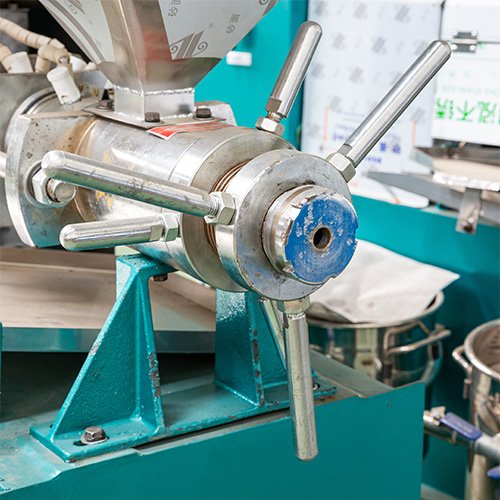
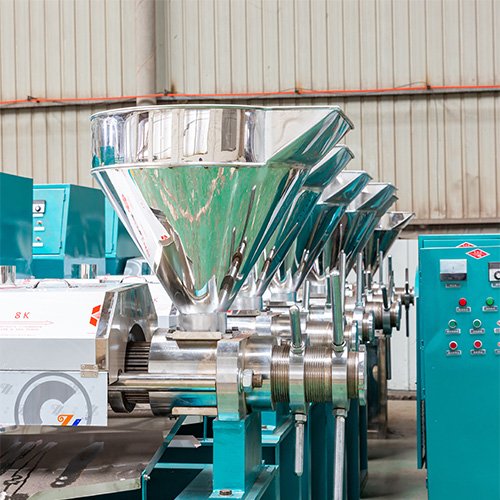
Different oil presses use different methods to apply pressure, mainly screw-type and hydraulic-type. The method you choose depends on your production volume and the quality of oil you want. I manufacture both types because my customers have different needs. Some need speed, while others need extreme purity.
A screw press is a continuous machine. It uses a rotating screw to push seeds forward into a narrowing space. As the seeds move, the pressure increases. The oil is squeezed out through the walls of the barrel. This happens non-stop. You pour seeds in the top, and oil flows out the bottom. It is the workhorse of the industry. A hydraulic press is a batch machine. You put seeds into a strong metal cylinder. A hydraulic ram pushes down on the seeds with immense force. It is like a giant piston. The oil is squeezed out slowly. Once the batch is done, you empty the cylinder and start again.
You choose a screw press if you run a factory. It handles large amounts of material. It is fast and requires fewer workers. I design these for 24/7 operation. They are the best for soybean, sunflower, and rapeseed oil. You choose a hydraulic press if you produce high-end, organic, or cold-pressed oils. These oils are often used in cosmetics or high-end health foods. Because there is no rotating screw, there is less friction and less heat. The oil stays “raw” and keeps all its nutrients.
However, hydraulic presses are slower. You can only do a few batches a day. They also leave more oil in the cake. If you want to maximize every drop of oil for profit, the screw press is the winner. If you want to sell a “luxury” product with high nutrient levels, the hydraulic press is the way to go. I help my clients decide by looking at their target market. For most B2B food oil producers, my continuous screw systems are the most profitable choice.
| Feature | Screw Oil Press | Hydraulic Oil Press | Your Practical Benefit |
|---|---|---|---|
| Work Mode | Continuous | Batch | Screw is faster for volume. |
| Heat Level | High (Friction) | Low (Cold) | Hydraulic is better for nutrients. |
| Oil Yield | Very High | Moderate | Screw maximizes your profit. |
| Labor | Low | High | Screw saves you worker costs. |
Practical tips and advice for you:
• Scale Up with Screw: Use a screw press if you plan to sell to supermarkets or wholesalers.
• Niche with Hydraulic: Use a hydraulic press for small batches of expensive essential oils.
• Mix and Match: Some factories use hydraulic presses for premium lines and screw presses for bulk lines.
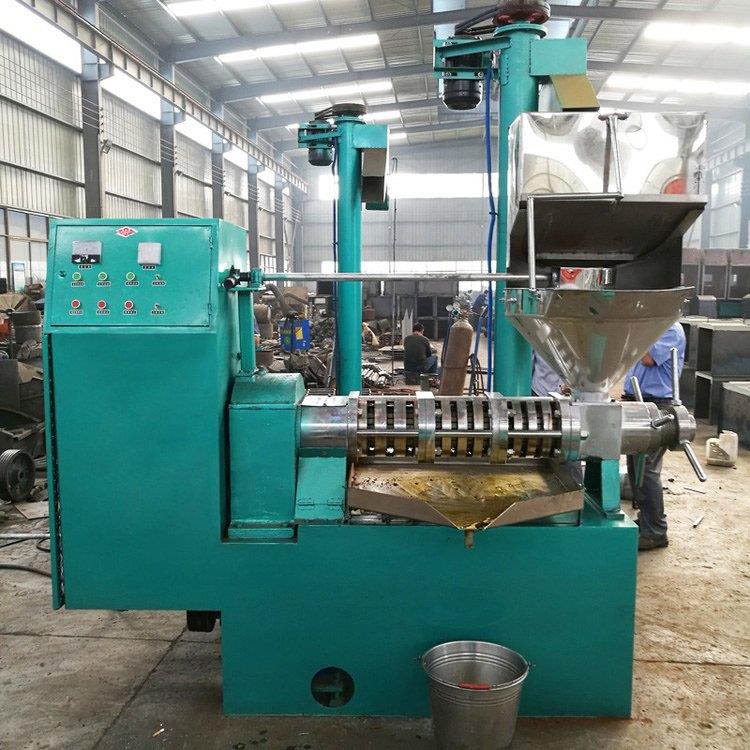

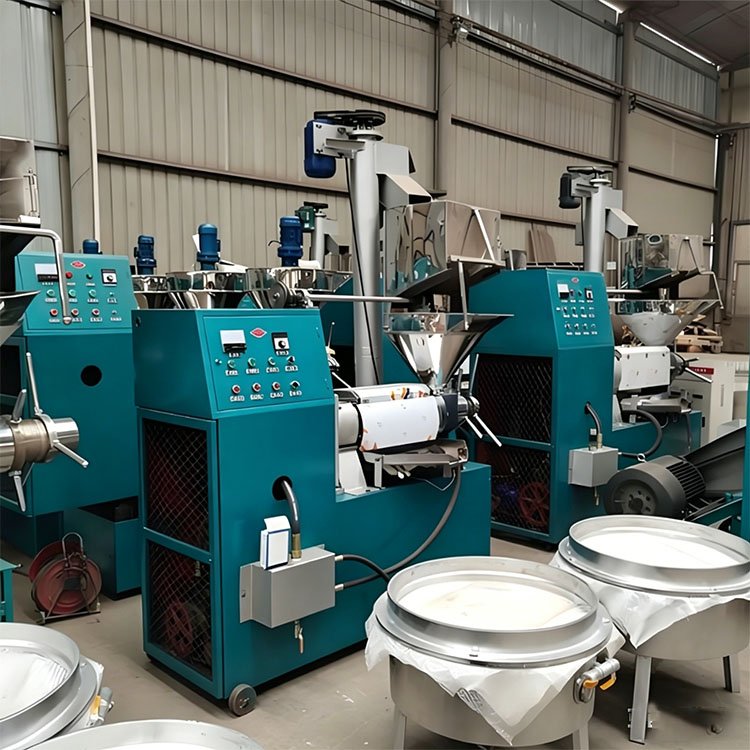
An oil press consists of several critical parts: the hopper, the screw, the press barrel, and the heater. Each part must be made of strong, food-grade materials. I use high-quality stainless steel and alloy steel to ensure the machines do not rust and can handle the pressure.
The hopper is the entry point. It holds the seeds and feeds them into the screw. The screw is the most important part. It is a heavy metal spiral that rotates. Its job is to move the seeds forward and compress them. The press barrel (or cage) surrounds the screw. It has very tiny gaps. These gaps act as a filter. They allow the liquid oil to escape but keep the solid seed particles inside. Finally, the heater is often wrapped around the barrel. It ensures the oil stays thin and flows quickly. If any of these parts fail, the whole process stops.
The design of the screw determines your oil yield. If the spiral is too wide, the seeds move too fast and do not get enough pressure. If it is too tight, the machine might jam. I spend a lot of time engineering the “pitch” of the screw. The pitch is the distance between the spirals. As the seed moves forward, the pitch often changes. This creates a gradual increase in pressure. This prevents the machine from shocking the motor.
I also use specialized heat-treatment processes for my screws. The metal must be incredibly hard. Seeds are abrasive. They act like sandpaper on the metal. If the screw is soft, it wears down in a few months. A worn screw has gaps. Oil leaks through these gaps and stays in the cake. This is a waste of money for you. My screws are渗碳淬火 (carburized and quenched). This means the surface is diamond-hard, but the core remains tough. This ensures your oil processing equipment lasts for years without needing a replacement.
Practical tips and advice for you:
• Inspect the Screw Monthly: Look for rounded edges on the screw flights.
• Check Barrel Gaps: Ensure the gaps in the press cage are not clogged with burnt residue.
• Use Original Parts: Only replace screws with parts that match the original pitch and hardness.
The amount of oil you get depends on seed quality, temperature, and the pressure setting. You cannot change the amount of oil naturally inside a seed. But you can change how much of that oil you actually extract. I teach my clients how to optimize these factors to maximize their profit.
First, seed quality is everything. If the seeds are old or moldy, the oil cells are damaged. You will get less oil and lower quality. Moisture is also key. Too much water makes the seeds “slippery.” They slide through the press without being crushed. Too little water makes them too hard. This can jam the machine. Second is temperature. As I mentioned before, heat thins the oil. If you keep the barrel at the right temperature, the oil flows out effortlessly. Third is the pressure. You control this by adjusting the cake outlet. If you make the exit hole smaller, the pressure inside the barrel rises. This squeezes more oil out but puts more stress on the motor.
You face a trade-off between oil yield and machine wear. If you push the pressure to the absolute limit, you get every last drop of oil. But you also wear out the screw and bearings very quickly. You might even snap a drive belt. I advise my customers to find the “sweet spot.” This is the point where you get a high yield but the machine runs quietly and smoothly.
You can find this spot by checking the oil cake. The cake should be dry and crumble easily in your hand. If the cake is still oily, you need more pressure. If the machine is making loud screaming noises and the motor is overheating, you have too much pressure. You should open the cake outlet slightly. This reduces the internal load. A balanced machine runs longer and costs less to maintain. This is the most professional way to operate your oil refinery machine system.
Practical tips and advice for you:
• The “Squeeze Test”: Squeeze the finished oil cake. If oil comes out, increase the pressure.
• Listen to the Motor: A steady hum is good. A strained, loud moan means you are overloading the press.
• Adjust for Seed Type: Peanuts need less pressure than hard soybeans. Adjust your settings for every new seed.
The world of oil extraction is changing. We are moving away from simple mechanical squeezing and toward “smart” extraction. I am integrating these new technologies into Fude Machinery’s latest product lines to help my B2B clients stay ahead.
Trends Overview:
In 2026, the focus is on energy efficiency and automation. Factories no longer want to guess the temperature. They want the machine to handle everything. We are seeing a shift toward “Precision Pressing.” This uses sensors to monitor the oil flow in real-time.
Latest Progress One-Shot:
• AI-Driven Feed Control: New machines use sensors to detect seed density. The machine automatically slows or speeds up the feed to keep pressure perfect.
• Energy Recovery Systems: Heat from the press barrel is now captured and used to pre-heat the incoming seeds. This saves electricity.
• Nano-Coatings: We are testing new coatings for screws. These coatings reduce friction and stop the seeds from sticking, which increases the oil flow.
Market Insight:
Consumers now demand “transparent” production. They want to know exactly how their oil was pressed. This is why I am adding data-logging systems to my machines. Now, you can prove to your customers that your oil was pressed at a specific temperature to preserve nutrients. This adds huge value to your brand.
Question 1: Does the oil press heat the oil automatically?
Yes, most industrial screw presses use friction to create heat. Some also have electric heaters. This heat makes the oil flow more easily out of the seeds.
Question 2: Can one oil press handle different types of seeds?
Yes, but you must adjust the pressure and temperature. I design my machines to be flexible. You can process peanuts, soybeans, or sunflower seeds in the same machine.
Question 3: What is the difference between cold press and hot press?
Cold press uses low heat to keep nutrients. It has a lower oil yield. Hot press uses high heat to get more oil. It is faster and more efficient for large factories.
Question 4: Why is the oil cloudy after pressing?
The raw oil contains small seed particles and proteins. You need a filter press or a centrifuge to remove these solids and make the oil clear.
You now understand how an oil press works. It is a process of high mechanical pressure, friction heat, and careful filtration. Whether you use a continuous screw press for volume or a hydraulic press for quality, the goal is the same: breaking cell walls to release the oil. You must balance seed quality, temperature, and pressure to get the best results.
I recommend that you start by analyzing your target market. If you want to compete on price and volume, invest in a continuous screw system. If you want to compete on health and luxury, go for cold-press hydraulic equipment. Always remember that pre-treatment and filtration are just as important as the press itself.
About Fude Machinery
I am Zhengzhou Fude Machinery. We are a professional Chinese manufacturer of oil processing equipment. We focus on B2B solutions for food and industrial oils. Our factory in Zhengzhou uses advanced CNC machines and strict quality control. We help clients in over 120 countries build profitable oil mills.
Ready to build your own oil factory?
Contact me today for a free consultation. I will help you choose the right press and design a full production line that fits your budget and goals.

Organic sunflower seed oil is usually extracted by pressing method, which uses "physical pressing method" to squeeze out the oil in the oil without using other chemical solvents, thus avoiding the residue of organic solvents in the oil. This produ...
View details
Refiners (refined oil equipment) are widely used and important in the petroleum industry. They convert crude oil into various high-quality petroleum products through a series of complex processing procedures
View details
I often get questions about the true value of different oils. Coconut oil is one type that many people ask about. It comes from coconuts. People use it for cooking and for health. Many studies show it has surprising benefits. This article will tel...
View details
The application prospects of dryers in agriculture are very broad.
View details