 Oil Press Equipment and Oil Refining Machinery for Sale – Start Your Oil Press Business
SEARCH WHAT YOU WANT
Search allProductNews
SEARCH
Do you want to produce premium oil that keeps all its natural vitamins? You need to understand how a cold-pressed oil extractor works. I am Fude Machinery. I build professional oil extraction equipment for B2B clients worldwide. Cold pressing is a method that uses mechanical force to squeeze oil out of seeds without using high heat. This process ensures the oil remains pure, healthy, and full of flavor. It is the best choice for high-end health food markets.
A cold-pressed oil extractor is a machine that uses slow mechanical compression to release oil at low temperatures. Unlike industrial hot presses, this machine does not use steam or electric heaters to soften the seeds. The goal is to keep the oil temperature below 49 to 60 degrees Celsius. This prevents the delicate fatty acids and vitamins in the oil from breaking down.
The machine works by creating an environment of extreme pressure. I use a heavy-duty screw or a hydraulic piston to compress the raw material. This compression is slow. It is like squeezing a piece of fruit very slowly with your hand. The oil is forced out through small gaps in the press barrel. Since there is no added heat, the only temperature rise comes from the friction of the seeds rubbing against each other.
If the pressure is too sudden, the seeds might crush too fast and create a “heat spike.” A heat spike is a quick rise in temperature that can ruin the cold-press status of the oil. By keeping the movement slow and steady, the machine extracts the oil gently. This protects the molecular structure of the oil. This mechanical approach is the core of high-quality oil extraction equipment. It delivers a product that is chemically unchanged from its natural state.
| Feature | Cold-Pressed Extractor | Standard Hot Press | Your Practical Benefit |
|---|---|---|---|
| Heat Source | Friction only | Steam/Electric Heaters | Preserves all vitamins |
| Extraction Speed | Slow | Fast | Higher product quality |
| Oil Flavor | Natural & Strong | Neutral/Cooked | Premium market appeal |
| Yield | Moderate | Very High | Higher selling price per liter |
For more videos on oilseed pressing, follow us.
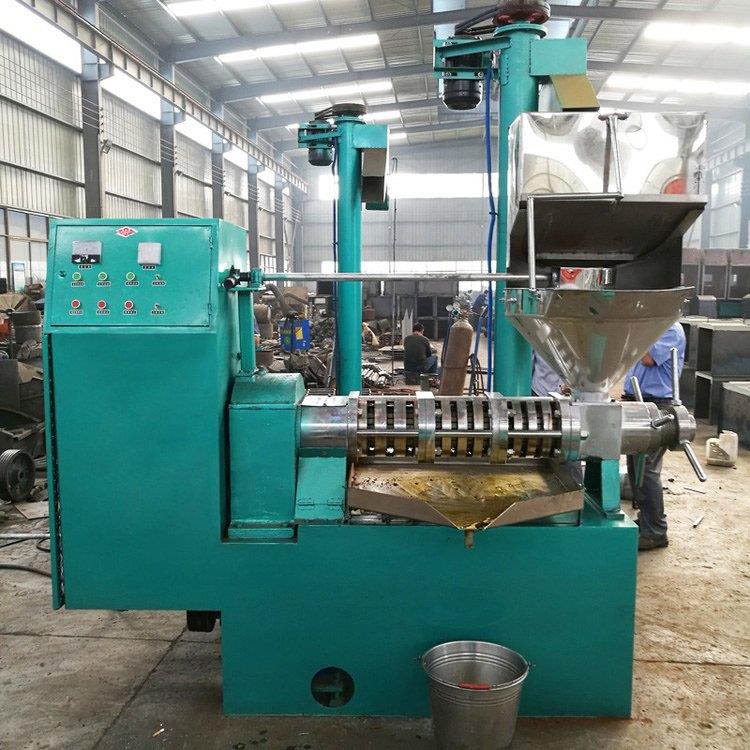
The cold pressing process works in a linear sequence: feeding, gradual compression, and low-temperature filtration. You start by feeding raw, cleaned seeds into the hopper. The seeds enter the pressing chamber. Here, the screw rotates and pushes the seeds forward. As they move, the space around them gets smaller and smaller. This forces the oil to flow out through the walls of the barrel.
Fude Machineryfocus on the “compression ratio” in designs. This ratio is how much the volume of the seed is reduced. In cold pressing, the compression must be steady. If you squeeze too hard too fast, the friction creates too much heat. Fude Machinerybuild the screws with a specific pitch. This means the seeds move forward at a controlled speed. The oil drips out slowly into a collection tray. The remaining solids are pushed out as a dry, nutrient-dense cake. This cake is also valuable because it still contains some proteins and minerals.
Friction is the only source of heat in a cold press. This is the biggest challenge. When metal rubs against seeds, it generates heat. If this heat goes above 60 degrees, you lose the “cold-pressed” label. I solve this by using advanced metallurgy. We machines use polished, hard-wearing surfaces that reduce unnecessary rubbing. This keeps the temperature stable throughout the day.
Also, We recommend a specific feeding rate. If you dump too many seeds into the machine, the pressure rises too fast. This creates a “pressure plug.” A plug causes the motor to struggle and the temperature to spike. By feeding the seeds slowly, the heat is distributed evenly. Some of my advanced models even include a cooling jacket around the barrel. This jacket uses circulating water to pull heat away from the metal. This ensures that even in hot climates, the oil stays cool. This level of control is what makes a professional screw oil press different from a basic one.
Practical tips and advice for you:
• Monitor Temperature: Use an infrared thermometer to check the oil as it exits the machine.
• Adjust Feed Speed: If the oil feels too hot, slow down the seed feeding rate immediately.
• Cool the Room: Keep your production area well-ventilated to help the machine shed heat.
The real difference is the temperature and the final chemical composition of the oil. Hot pressing uses heat to break the cell walls of the seed. This makes the oil flow very easily. It results in a very high yield. But the heat destroys the antioxidants and vitamins. Cold pressing is the opposite. It uses raw force. It results in a lower yield, but a much “healthier” oil.
For those making the choice, this is a choice between “Volume” and “Value.” Hot pressing is for the mass market. It is for cooking oil used in frying. Cold pressing is for the “Health and Wellness” market. It is for oils used in salads, skincare, or as supplements. Hot pressing is faster and cheaper to run. But cold pressing creates a product that consumers perceive as “luxury.” I help my clients decide based on who their target buyer is. If you sell to supermarkets, hot press is better. If you sell to health stores, cold press is the winner.
Nutrients like Omega-3 and Vitamin E are heat-sensitive. When you heat oil to 100 degrees, these molecules break. This is called “thermal degradation.” Cold pressing avoids this. The oil maintains its natural antioxidants. This is why cold-pressed oil often has a stronger, more natural taste. It also has a better “mouthfeel.”
From a business side, this nutrient retention is your best marketing tool. You can label your product as “Unrefined” and “Cold-Pressed.” This tells the buyer that the oil is pure. My design oil processing equipment to ensure this purity. We use food-grade stainless steel. We avoid any materials that could react with the oil. By protecting the nutrients, you protect your brand’s reputation. Your customers will taste the difference. They will pay more for a product that actually supports their health.
Practical tips and advice for you:
• Marketing Strategy: Use “Cold-Pressed” as a main keyword on your packaging to attract health-conscious buyers.
• Storage Tip: Cold-pressed oil is more sensitive to light. Use dark glass bottles to protect the nutrients you worked so hard to keep.
• Testing: Send your oil to a lab to prove the Vitamin E levels. Use this data in your B2B sales pitches.
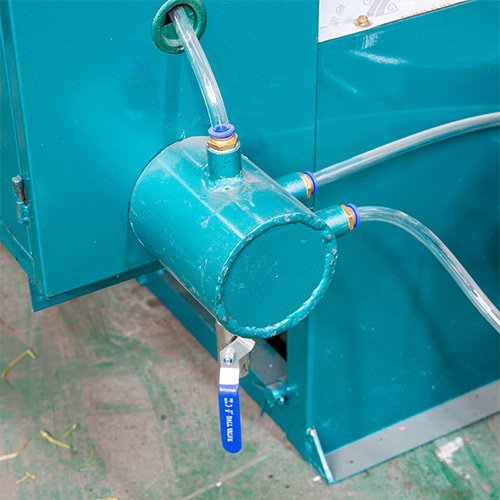
A cold-pressed oil extractor relies on a specialized screw, a high-strength barrel, and a precision motor. Every part must be designed to handle high pressure without creating excess heat. I use a “low-friction” design philosophy for all my cold press machines. This ensures the machine lasts longer and the oil stays cool.
The screw is the most important part. In a cold press, the screw is not just for pushing. It is for “gentle squeezing.” I use a specific alloy steel that is carburized and quenched. This means the surface is extremely hard to resist wear, but the core is tough to resist breaking. The press barrel is the “filter.” It has tiny slits. These slits let the oil escape while keeping the seed pulp inside. I ensure these slits are polished to a mirror finish. This prevents the oil from sticking and overheating.
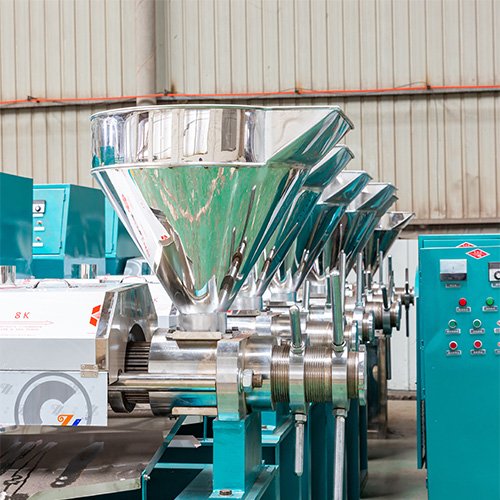
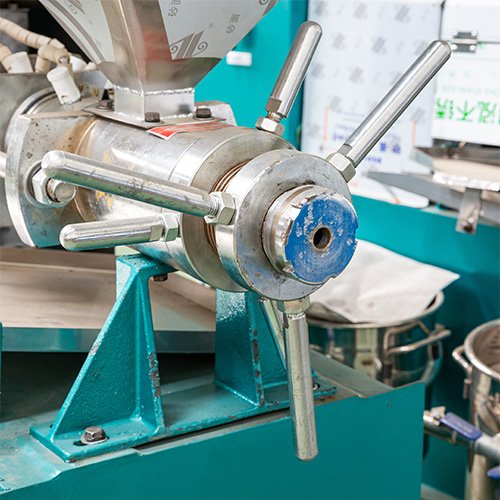
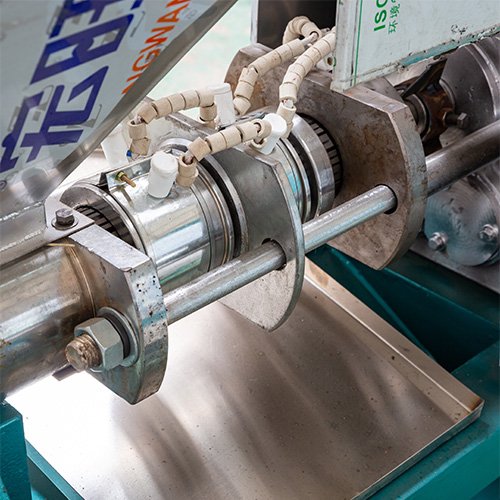
The motor provides the power, but the gearbox provides the “torque.” Cold pressing requires a lot of torque but low speed. If the motor spins too fast, the friction will burn the oil. I use heavy-duty reduction gearboxes. These gearboxes turn the fast rotation of the motor into a slow, powerful crawl for the screw. This is the only way to achieve high pressure without high heat.
| Component | Cold Press Specification | Why it is Different | Your Practical Benefit |
|---|---|---|---|
| Screw | Low-pitch, Hardened Alloy | Slower movement | Stops heat spikes |
| Gearbox | High-Torque Reduction | Slows down RPM | Prevents oil burning |
| Barrel | Mirror-polished Slits | Less surface friction | Higher oil flow rate |
| Motor | VFD Compatible | Adjustable speed | Adaptable to any seed |
To make a profit with cold pressing, you must balance the lower yield with a higher selling price. You cannot compete with mass-market cooking oils on price. Instead, you compete on “Quality” and “Purity.”
First, seed selection is key. You must use seeds with the right moisture level. If seeds are too dry, they are hard to press and create more friction heat. If they are too wet, the oil doesn’t flow well. I recommend a moisture level of 7% to 10%. Second, you must use a multi-stage filtration process. Cold-pressed oil is often cloudier than hot-pressed oil. By using a professional filter press, you can make the oil crystal clear. Clear oil looks more expensive and sells for more money.
The speed of extraction is your “profit dial.” If you go too slow, your labor costs go up because you produce fewer liters per hour. If you go too fast, you destroy the nutrients and lose the “cold-press” premium. The goal is to find the “maximum safe speed.” This is the fastest speed where the oil temperature stays under 50 degrees.
I suggest keeping a daily log. Write down the seed type, the screw speed, and the exit temperature. After a few weeks, you will find the perfect setting for every seed. Also, consider “batching.” Process all your walnuts on Monday and all your almonds on Tuesday. This prevents cross-contamination of flavors and allows you to keep the machine settings optimized for one specific seed. This professional approach maximizes your efficiency and protects your high-margin product.
The cold pressing industry is moving toward “Smart Extraction.” We are no longer guessing the temperature. We are using real-time data to protect the oil.
Trends Overview:
In 2026, the focus is on “Digital Purity.” B2B buyers want a certificate that proves the oil never exceeded 50 degrees. This is why we are integrating thermal sensors directly into the press barrel. We are also seeing a rise in “Sustainable Cold Pressing,” where the energy used to run the machine is recovered or reduced.
Q1: What is the maximum temperature for cold pressing?
Usually, the oil temperature must stay below 49 to 60 degrees Celsius. If the heat goes higher, the oil is no longer considered “cold-pressed” because nutrients start to break down.
Q2: Does cold pressing produce less oil than hot pressing?
Yes, cold pressing generally has a lower yield. Heat thins the oil and makes it flow easier. But cold-pressed oil sells for a much higher price due to its quality.
Q3: Can I use a standard screw press for cold pressing?
You can, but you must use a machine with slow rotation and a cooling system. Fast rotation creates too much friction heat, which destroys the cold-press benefit.
Q 4: Which seeds are best for cold pressing?
Walnuts, almonds, flaxseeds, and avocados are excellent. These seeds have high nutrient levels that are easily destroyed by heat.
About Fude Machinery
I am Zhengzhou Fude Machinery. We are a professional manufacturer of oil processing equipment in China. We focus on B2B solutions that help clients build profitable oil mills. We provide one-stop services, from production line design to installation and training. We have helped thousands of clients in countries achieve high oil yields.
Want to start a premium oil business?
Contact me today for a free technical consultation. I will help you choose the right cold-press extractor and design a production line that maximizes your profit.
Selecting the perfect machine is crucial for your business success. We understand the challenges involved. Let's break down everything you need to know about screw oil presses, step by step. We want to empower you to make an informed decision. A s...
View details
The market for healthy, natural, and organic food is growing fast. Consumers are willing to pay more for products they trust. For an entrepreneur like you, this trend is a golden opportunity. A high-quality cold press oil machine is your key to en...
View details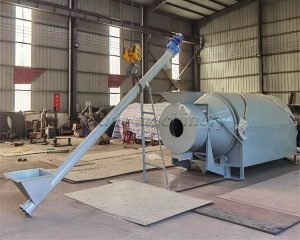
The application prospects of grain drum dryer are very broad
View details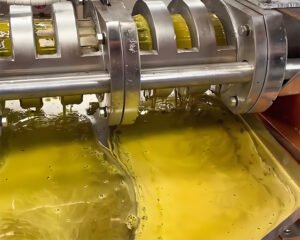
Frequent breakdowns interrupt your oil production? High maintenance costs and downtime erode your profits. Discover how our durable screw oil press ensures reliable, continuous operation with minimal upkeep. A durable screw oil press ensures low m...
View details