 Oil Press Equipment and Oil Refining Machinery for Sale – Start Your Oil Press Business
SEARCH WHAT YOU WANT
Search allProductNews
SEARCH
Are you planning to enter the edible oil market or expand your current factory? You need to know exactly what is an oil press before you invest. I am Fude Machinery. My company is a professional manufacturer of oil processing equipment in China. An oil press is a mechanical device that uses high pressure to squeeze oil out of seeds, nuts, or fruits. It turns raw agricultural products into liquid oil and solid cake. This machine is the heart of any oil mill.
An oil press is a heavy-duty machine that extracts oil through mechanical compression. It does not use chemicals to pull the oil out. Instead, it uses physical force to break the cells of the raw material. I design these machines to handle a wide range of materials. You can use them for soybeans, peanuts, sunflower seeds, coconut, and walnut. The machine pushes the material into a very tight space. This pressure forces the oil to leak out through small gaps in the machine wall.
You should think of an oil press as a high-power squeeze tool. In nature, oil is stored in tiny pockets called vacuoles inside the seed. These pockets are protected by strong cell walls. An oil press provides the force needed to rupture these walls. Once the walls break, the liquid oil is released. The remaining solid part of the seed is compressed into a hard “cake.” This cake is still valuable. Many of my customers sell this cake as high-protein animal feed to make extra money. This makes the whole process very efficient and waste-free. For any professional setup, choosing the right oil extraction machine is the first step to profitability.
The process starts when you feed raw seeds into the hopper. Inside the machine, a rotating screw or a hydraulic ram applies pressure. This pressure is not just a simple push. It is a gradual increase of force. As the seeds move deeper into the press, the space they occupy gets smaller. This creates an environment of extreme tension. The oil is a liquid and can move through small openings. The solids are too large to fit through these gaps. This is how the machine separates the liquid oil from the solid waste.
I use high-strength alloy steel for the pressing parts. This is because the internal pressure is massive. If the metal is weak, the machine will warp or break. The friction between the seeds and the metal also creates heat. This heat is helpful. It makes the oil thinner and easier to extract. This is why most industrial presses feel hot to the touch during operation. A well-designed press balances this heat and pressure to ensure that almost no oil stays in the cake. This maximizes your return on investment by getting the most product from every ton of seed.
| Component | Role in the Process | Why It Matters to You |
|---|---|---|
| Hopper | Feeds raw seeds | Ensures a steady flow of material |
| Press Screw | Applies compression | Determines the oil yield |
| Press Barrel | Filters oil from solids | Keeps your oil free of large debris |
| Discharge Port | Expels the dry cake | Controls the internal pressure |
To learn more about the operation videos of the raw material oil press, you can consult WhatsApp and communicate at any time.
There are two main types of oil presses used in B2B business: screw presses and hydraulic presses. Each one uses a different method to apply force. I manufacture both because they serve different market needs. One is built for speed and volume. The other is built for purity and quality. You must choose the one that matches your business goal. If you want to sell bulk oil, you need one type. If you want to sell luxury organic oil, you need the other.
A screw press is a continuous machine. It has a large rotating screw that pushes seeds forward constantly. It works like a meat grinder but with much higher pressure. You put seeds in one end, and oil flows out the other end non-stop. This is the best choice for large factories. A hydraulic press is a batch machine. You put seeds into a cylinder and push down with a hydraulic ram. This is a slower process. You extract oil from one batch, empty the cylinder, and start again. This method creates very little heat. It is the standard for “cold-pressed” oils.
You should choose a screw press if your goal is high production. These machines are the workhorses of the oil industry. They can run 24 hours a day without stopping. I design these for customers who process tons of material daily. The continuous flow means you need fewer workers to manage the process. Once you set the pressure and temperature, the machine does the work. This lowers your labor cost per liter of oil.
Screw presses are also more efficient at removing oil from the seed. The constant rotation and friction create the heat needed to thin the oil. This allows you to get a higher yield from seeds like soybeans or sunflower seeds. If you are starting a commercial oil mill, a screw oil press is almost always the right choice. It offers the best balance of speed, cost, and oil recovery. It is the most scalable option for any growing business.
You should choose a hydraulic press if you are targeting the premium health market. Cold-pressing is a huge trend in 2025. Many customers want oil that has not been heated. Heat can destroy some vitamins and change the natural flavor of the oil. Because a hydraulic press does not use a rotating screw, it creates almost no friction heat. This preserves the “raw” nature of the oil. This is perfect for expensive oils like avocado, walnut, or high-end almond oil.
However, you must accept that hydraulic presses are slower. They are not meant for bulk production. They require more manual labor because you must load and unload every batch. I recommend these for small boutique shops or pharmacies that make medicinal oils. They provide a product with higher nutritional value, which allows you to charge a premium price. If your brand is about “Health” and “Purity,” the hydraulic press is your best tool.
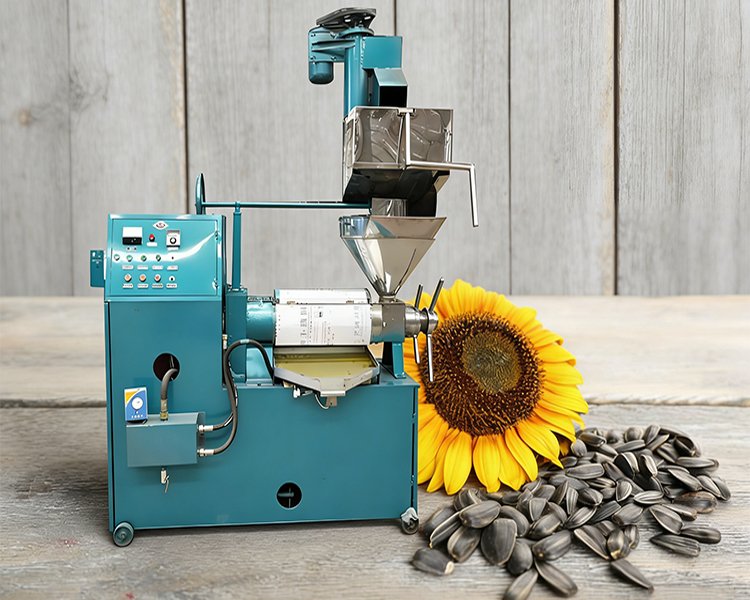
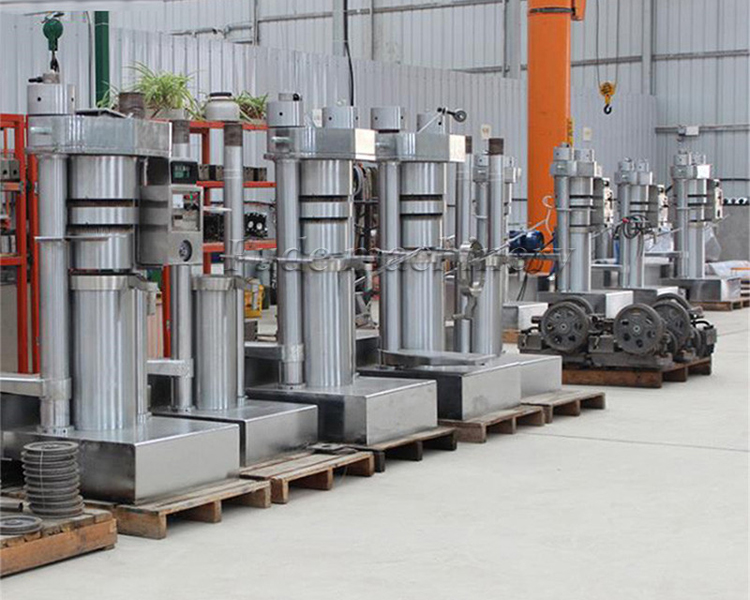
The size of your business determines the capacity and automation level of the oil press you need. You should not buy a machine that is too large for your current needs, but you should leave room for growth. I categorize my equipment into three levels: small-scale, mid-scale, and industrial-scale. Each level has different technical features and cost structures.
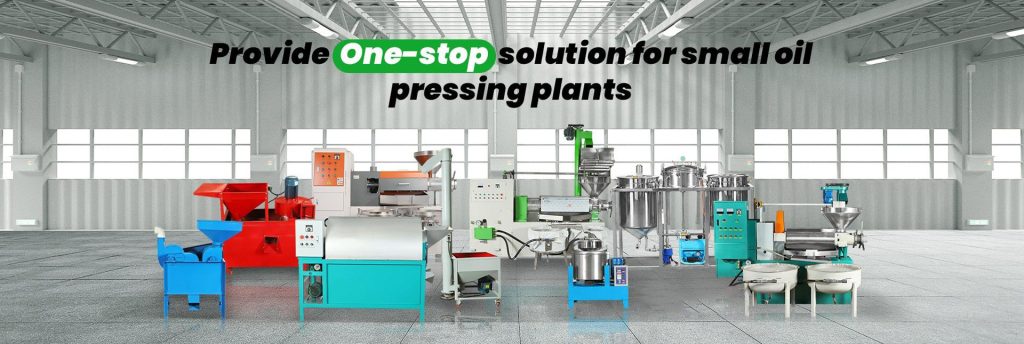
Small-scale businesses, like small farms or local workshops, need low-cost, easy-to-operate machines. I provide compact screw presses for these users. They are simple to set up and require very little training. These machines are perfect for people who want to process their own seeds or sell to a local village. Mid-scale oil mills are more professional. They usually process 10 to 50 tons per day. These clients need modular production lines. I provide them with integrated systems that include a cleaner, a roaster, and a larger press. This increases their efficiency and product consistency.
Large oil groups operate on a completely different level. They process hundreds of tons of seeds every day. For these clients, a single machine is not enough. They need a fully automated, continuous oil processing equipment line. I design these systems to minimize human intervention. Everything is connected by conveyors and automated pipes. The seeds move from the warehouse to the cleaner, then to the steamer, and finally into a series of massive screw presses.
At this scale, efficiency is everything. A 1% increase in oil yield can mean millions of dollars in extra profit. These plants use advanced sensors to monitor temperature and pressure in real-time. They also use large centrifuges to clean the oil instantly. I provide the full engineering layout for these plants. We focus on the flow of materials to ensure there are no bottlenecks. This allows the factory to run at maximum capacity 24/7 with minimum waste.
| Business Size | Recommended Press Type | Typical Daily Capacity | Key Priority |
|---|---|---|---|
| Small Farm | Mini Screw Press | 100kg – 1 Ton | Low Cost & Ease of Use |
| Mid-Sized Mill | Industrial Screw Press | 5 – 50 Tons | Balance of Yield & Cost |
| Oil Group | Automated Press Line | > 100 Tons | Automation & Max Yield |
Practical tips and advice for you:
• Calculate Your Demand: Estimate how many liters of oil you can sell per day before buying a machine.
• Plan for Growth: Buy a machine that can handle 20% more than your current needs.
• Consider Labor: If you have few workers, invest in an automated screw press rather than a manual hydraulic one.
Your oil yield is the percentage of oil you successfully extract from the raw seed. You cannot change the oil content of the seed itself, but you can change how much of it stays in the cake. Many buyers ask me why their yield is lower than expected. The answer usually lies in three factors: seed preparation, temperature, and mechanical pressure.
First, seed preparation is the most ignored step. If the seeds are too wet, they will not compress. They will just slide through the press. If they are too dry, they become too hard and can jam the screw. I recommend a moisture level of around 10%. Also, pre-heating the seeds is a game-changer. Heating breaks the cell walls and makes the oil more liquid. This allows the oil to flow out of the barrel much faster. Without proper heating, you leave a lot of oil trapped in the solids.
Mechanical pressure is the final key to yield. By adjusting the discharge port, you can increase the pressure inside the press barrel. Higher pressure means more oil is squeezed out. But there is a limit. If you push the pressure too high, you put extreme stress on the motor and the press screw. This can lead to mechanical failure or a burnt-out motor. I teach my clients to find the “optimal pressure point.”
You know you have reached the optimal point when the oil cake is dry and crumbles easily. If the cake is still oily, you need more pressure. If the machine is making a loud straining noise, you have too much pressure. Using a high-quality oil refinery machine after the press can also help you recover more oil from the raw output. Balancing these factors ensures you get the maximum profit without destroying your equipment.
Practical tips and advice for you:
• The Cake Test: Squeeze the finished cake in your hand. If oil comes out, increase your press pressure.
• Temperature Check: Ensure the barrel temperature is consistent. Cold spots in the barrel will lower your yield.
• Regular Part Checks: Check your screw for wear every month. A worn screw has gaps that let oil stay in the cake.
The oil extraction industry is evolving. We are moving away from simple mechanical squeezing and toward “Smart Extraction.” I am integrating these trends into all Fude Machinery products to ensure my B2B clients stay competitive.
Trends Overview:
In 2026, the focus is on “Precision Oil Extraction.” This means using data to control the process. We no longer rely on the operator’s “feeling” to set the pressure. Instead, we use sensors. Automation is reducing labor costs and increasing the purity of the oil.
Latest Progress One-Shot:
• IoT Monitoring: You can now monitor your oil press from your phone. Sensors tell you the temperature and motor load in real-time.
• Energy Recovery: New machines capture the heat from the pressing process and use it to pre-heat the incoming seeds.
• Variable Frequency Drives (VFD): These allow you to adjust the screw speed precisely. This means you can use the same machine for different seeds just by changing a digital setting.
Market Insight:
There is a huge shift toward “Clean Label” oils. Consumers want to know that no chemicals were used. This has led to a massive increase in demand for high-efficiency screw presses and hydraulic presses. The market for “Cold-Pressed” oil is growing at 10% per year. Investing in equipment that can prove a low-temperature process is a smart business move today.
Question 1: What is the main difference between screw and hydraulic presses?
A screw press is continuous and fast for large volumes. A hydraulic press is a batch machine that uses extreme pressure for high-purity, cold-pressed oils.
Question 2: Can I use one oil press for all types of seeds?
Yes, but you must adjust the pressure and heat. Different seeds like soybeans and peanuts have different oil densities and cell structures.
Question 3: Is a screw oil press better for a small business?
Yes, for most small businesses, a screw press is better. It is easier to operate and produces more oil per hour than a hydraulic system.
Question 4: How do I increase my oil yield?
You can increase yield by pre-heating seeds, controlling moisture levels to 7-12%, and ensuring your press screw is not worn out.
You now know exactly what is an oil press and how it functions. It is a machine that uses mechanical force to separate oil from solids. For high-volume business, a continuous screw press is the best choice. For high-end, nutrient-rich oils, a hydraulic press is the winner. To get the most oil, you must focus on seed cleaning, proper moisture, and correct heating.
I recommend that you first define your target market. If you want to sell bulk edible oil, invest in a screw press and a filtration system. If you are starting a luxury health brand, go with a hydraulic press. Always buy from a manufacturer who provides a full solution, from cleaning to refining. This prevents compatibility issues and saves you money.
About Fude Machinery
I am Zhengzhou Fude Machinery. We are a professional manufacturer of oil processing equipment based in China. We specialize in B2B solutions for the global oil industry. Our factory uses advanced CNC technology to build durable, high-yield machines. We have exported our equipment to over 120 countries. We provide one-stop service, including design, manufacturing, and after-sales support.
Ready to start your oil business?
Contact me today for a professional consultation. I will help you choose the right press and design a full production line that fits your budget and goals.
Crude oil holds many impurities. You need clean, pure oil. Refining gives you safe, high-quality oil. Chemical refining uses alkali to remove free fatty acids. Physical refining uses high temperature steam distillation. Choosing one depends on you...
View details
Vegetable oils are lipid substances extracted from plant seeds, fruits, or other tissues, and belong to the category of natural lipids. Establishing a vegetable oil plant is a multi-faceted, multi-disciplinary system engineering project that requi...
View details
Refining machines are used in various industries such as rubber industry, building materials industry, chemical industry, food processing industry, medicine, etc
View details
Vegetable oil has wide variety of uses when it comes to food for example it is used in making cooking oil, mayonnaise, salad dressing, and many more. Also, it is involved in the production of non-food substances such as fatty acids, soaps, resin, ...
View details